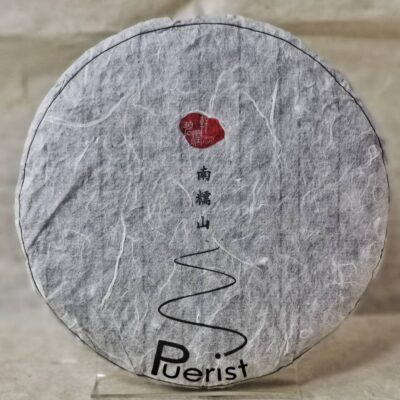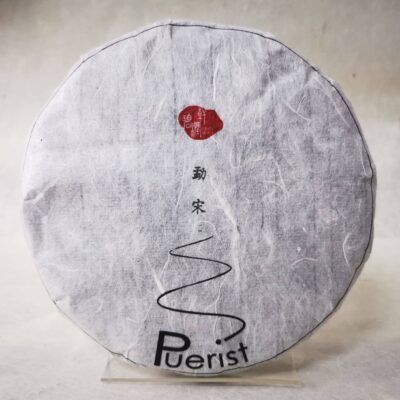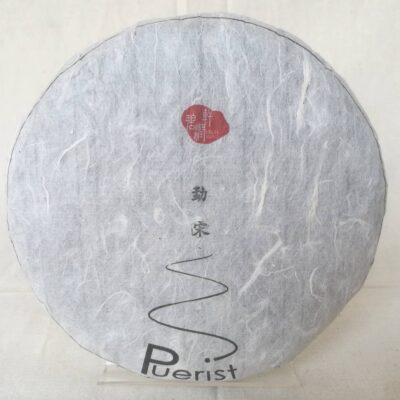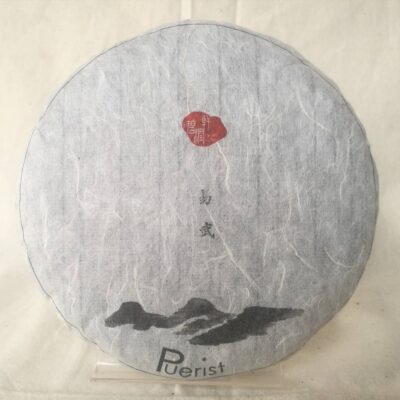
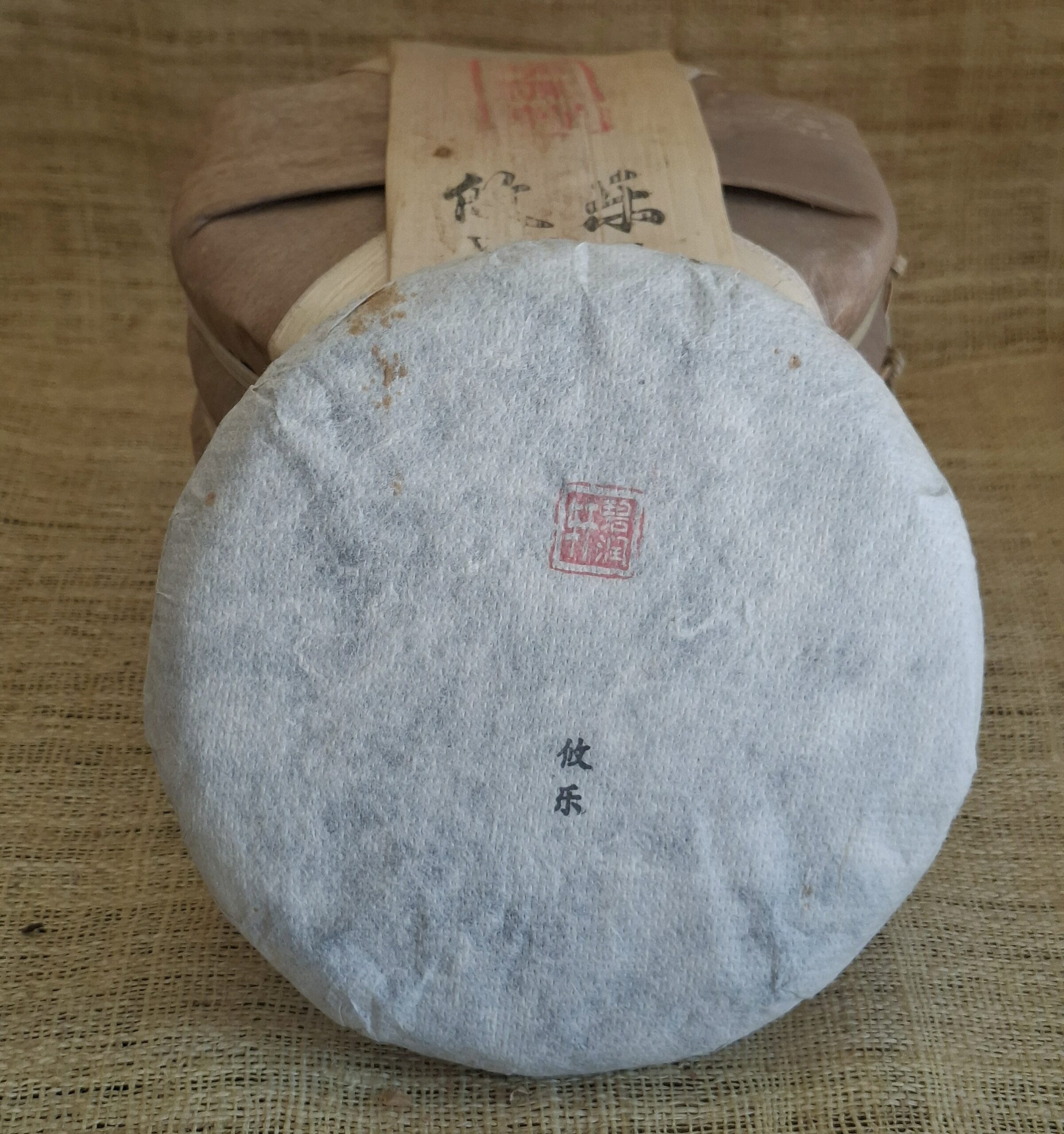
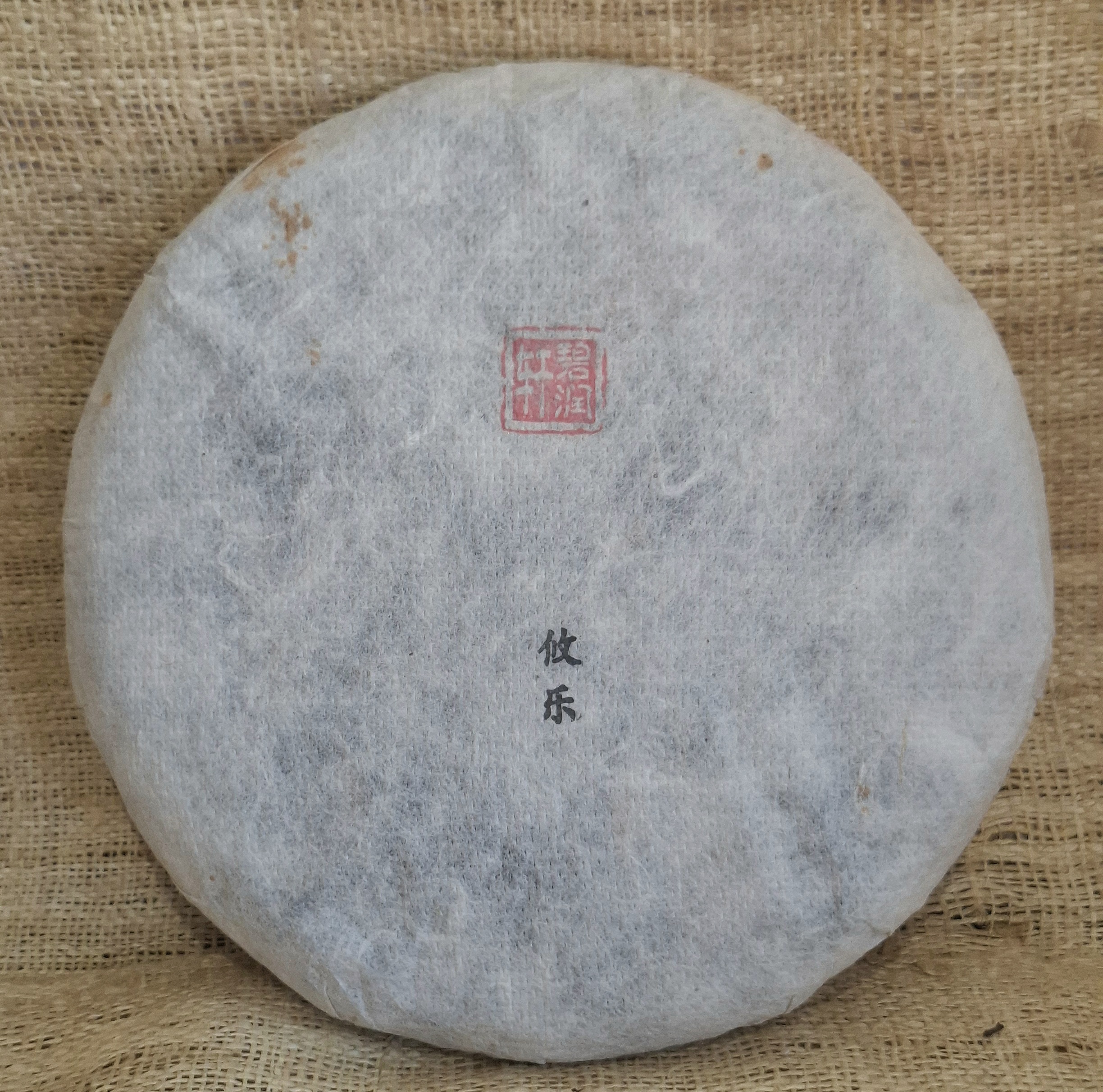
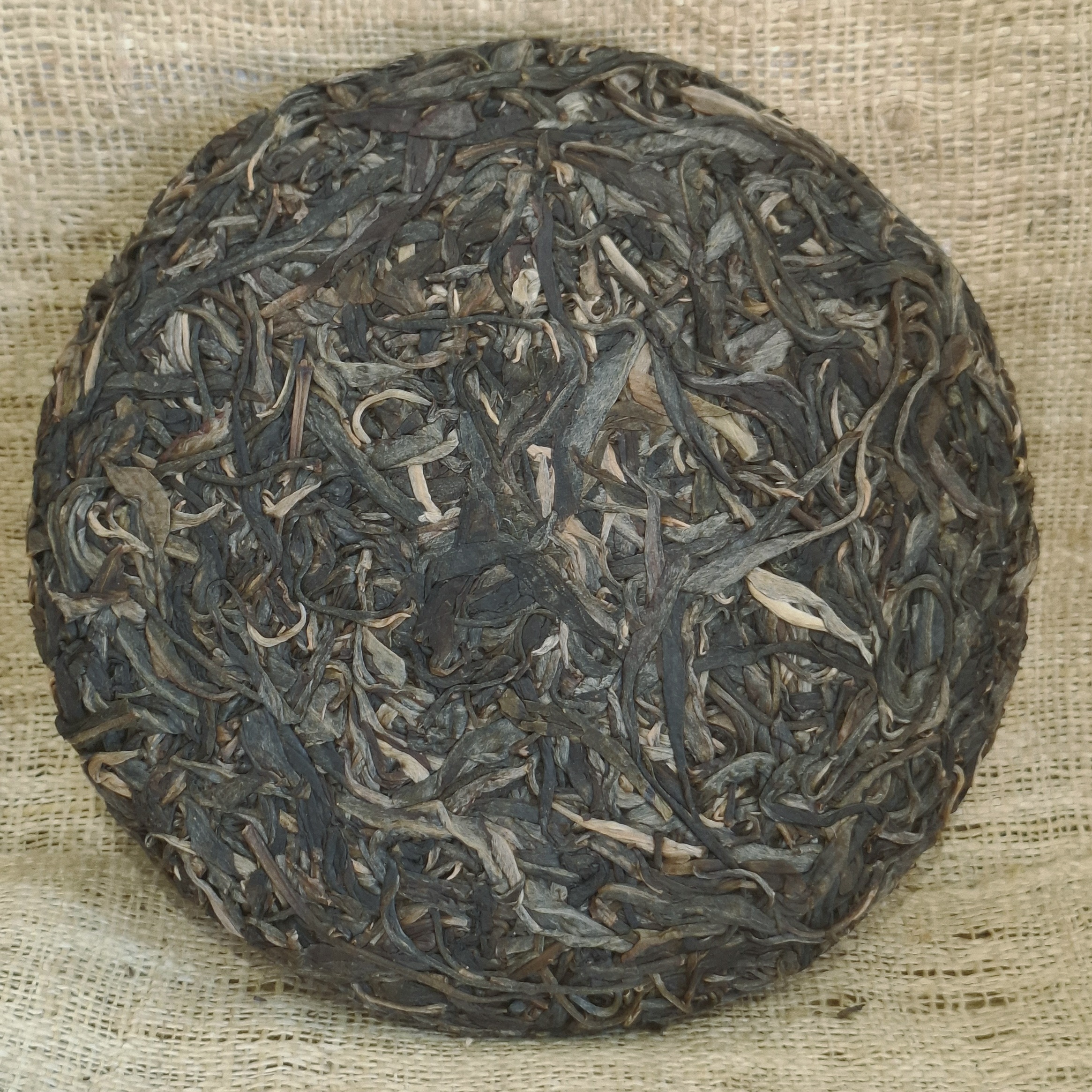
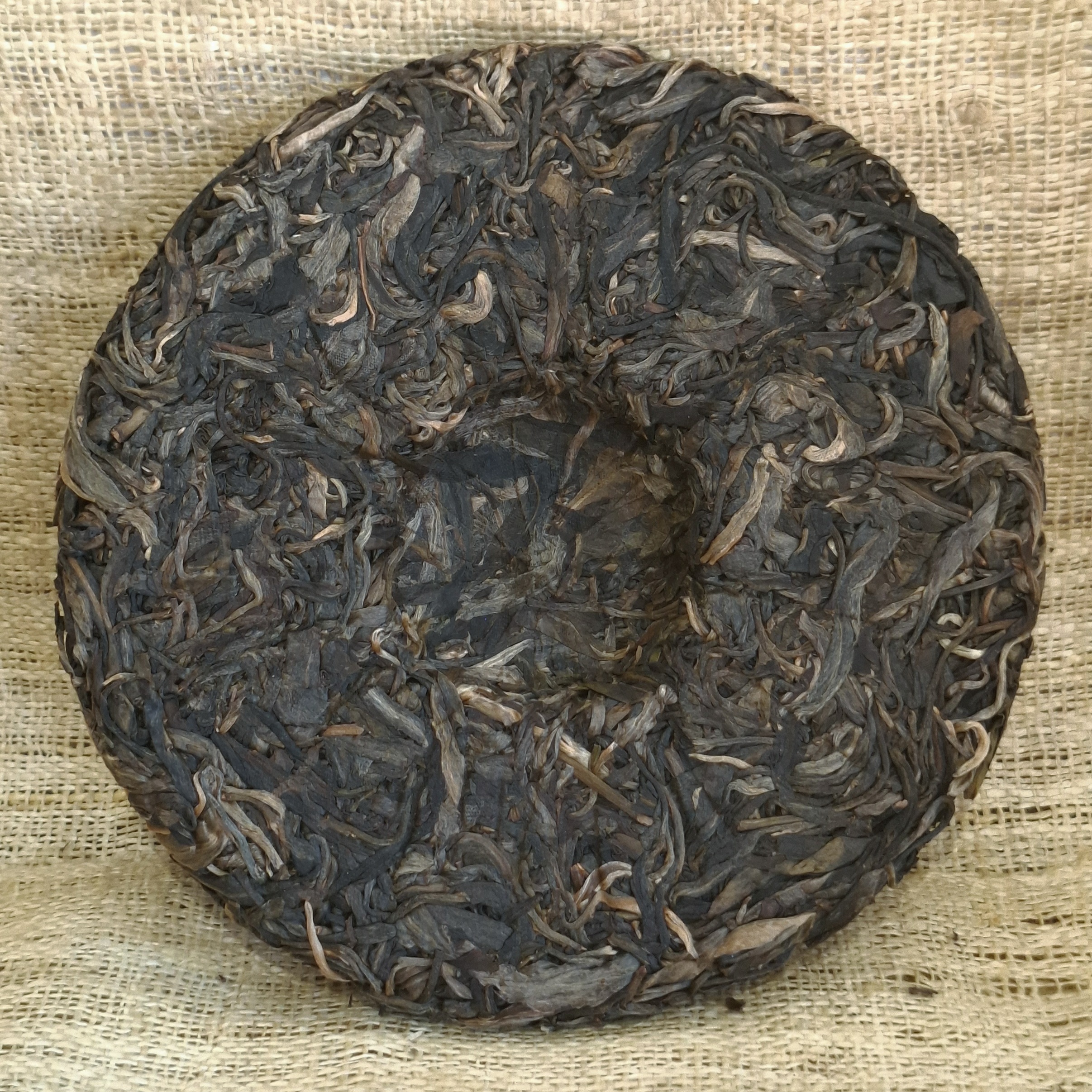
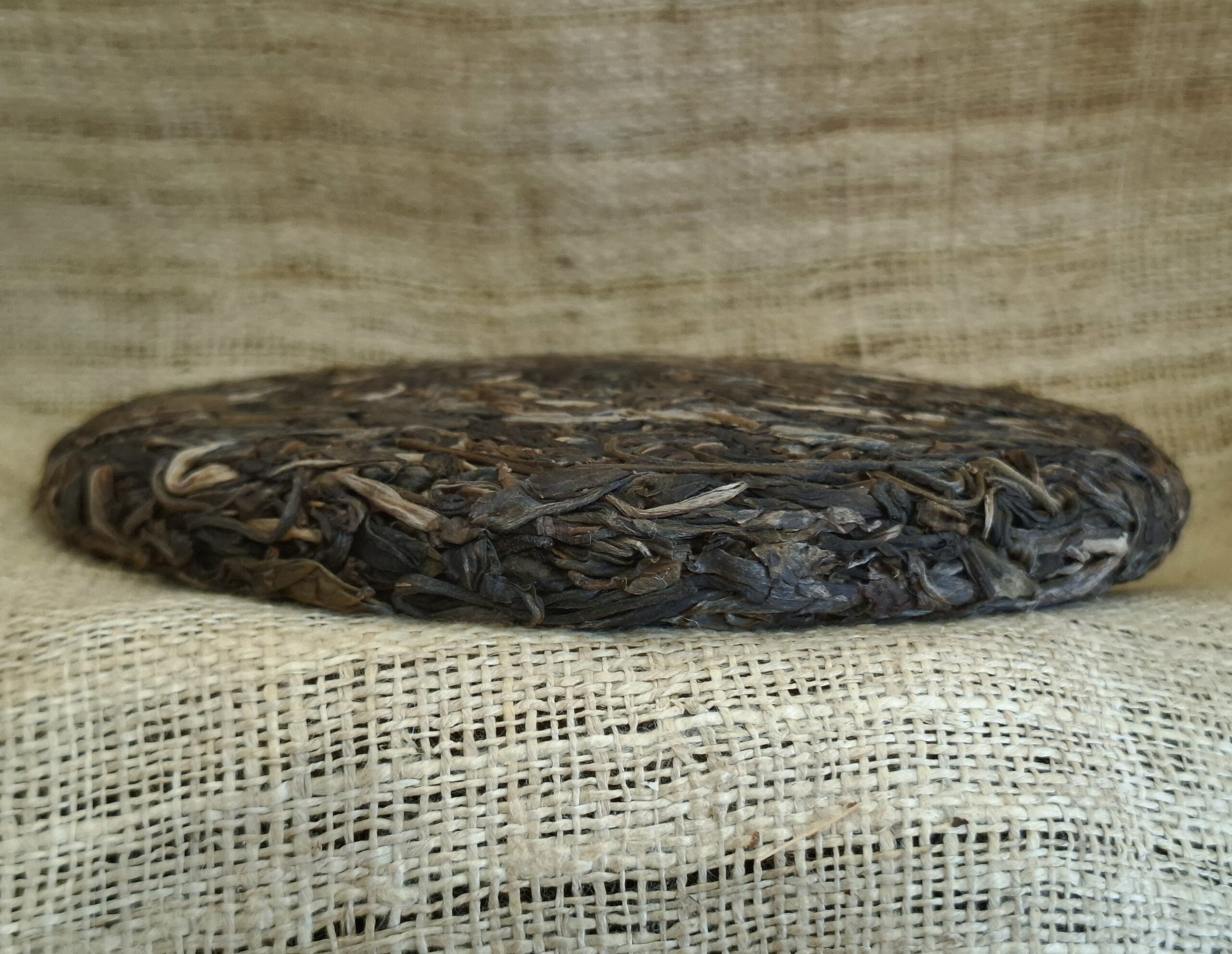
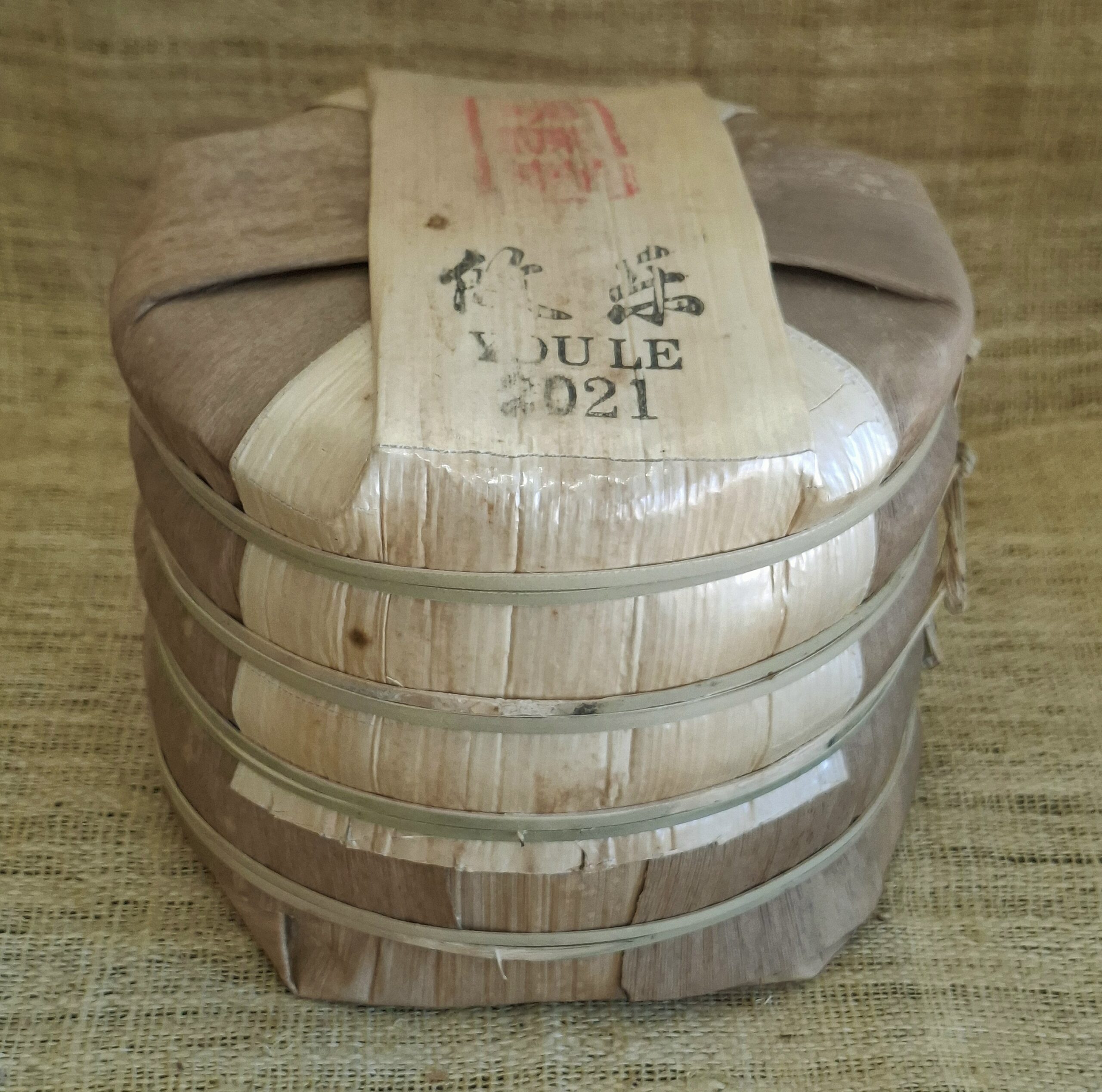
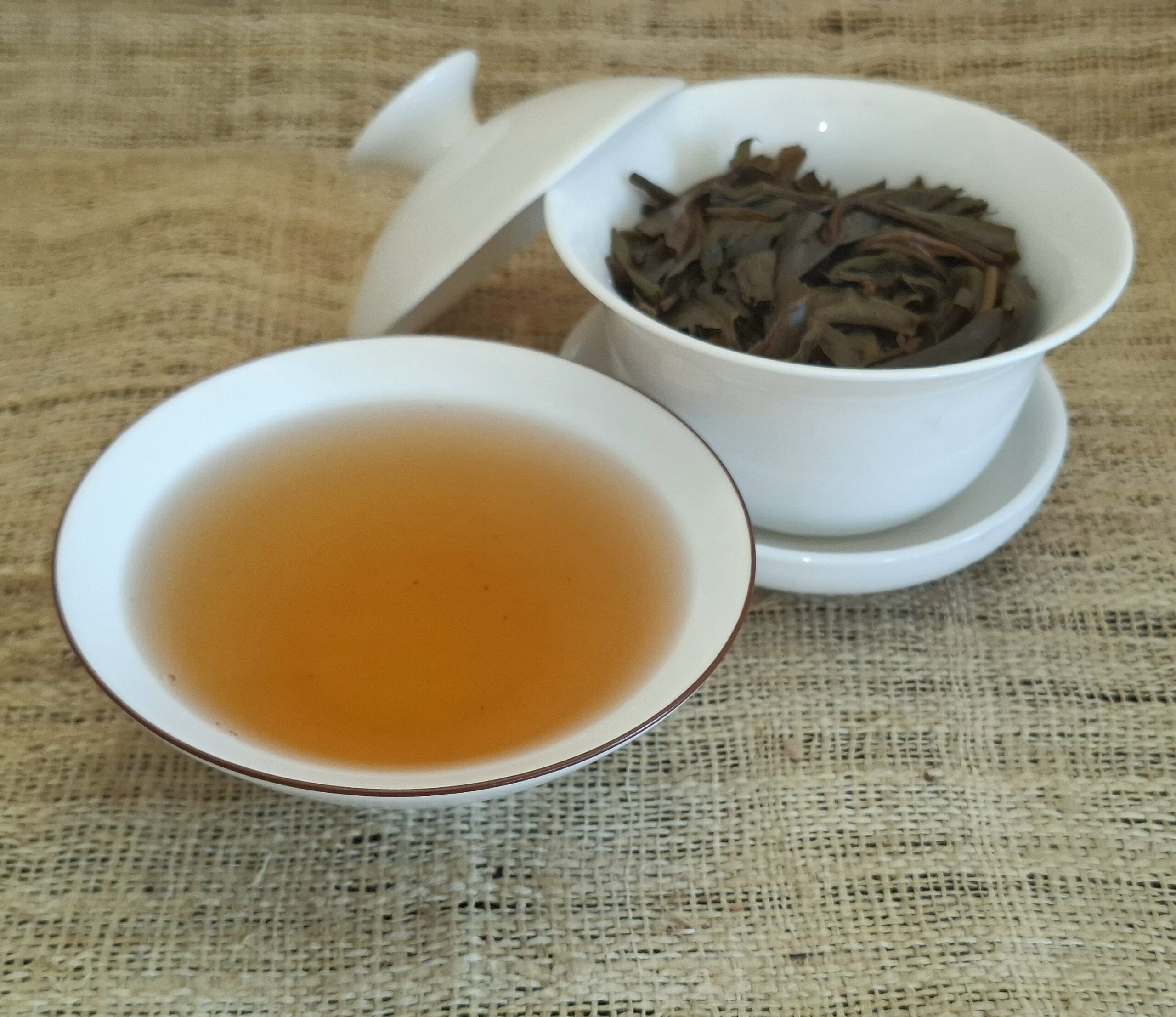
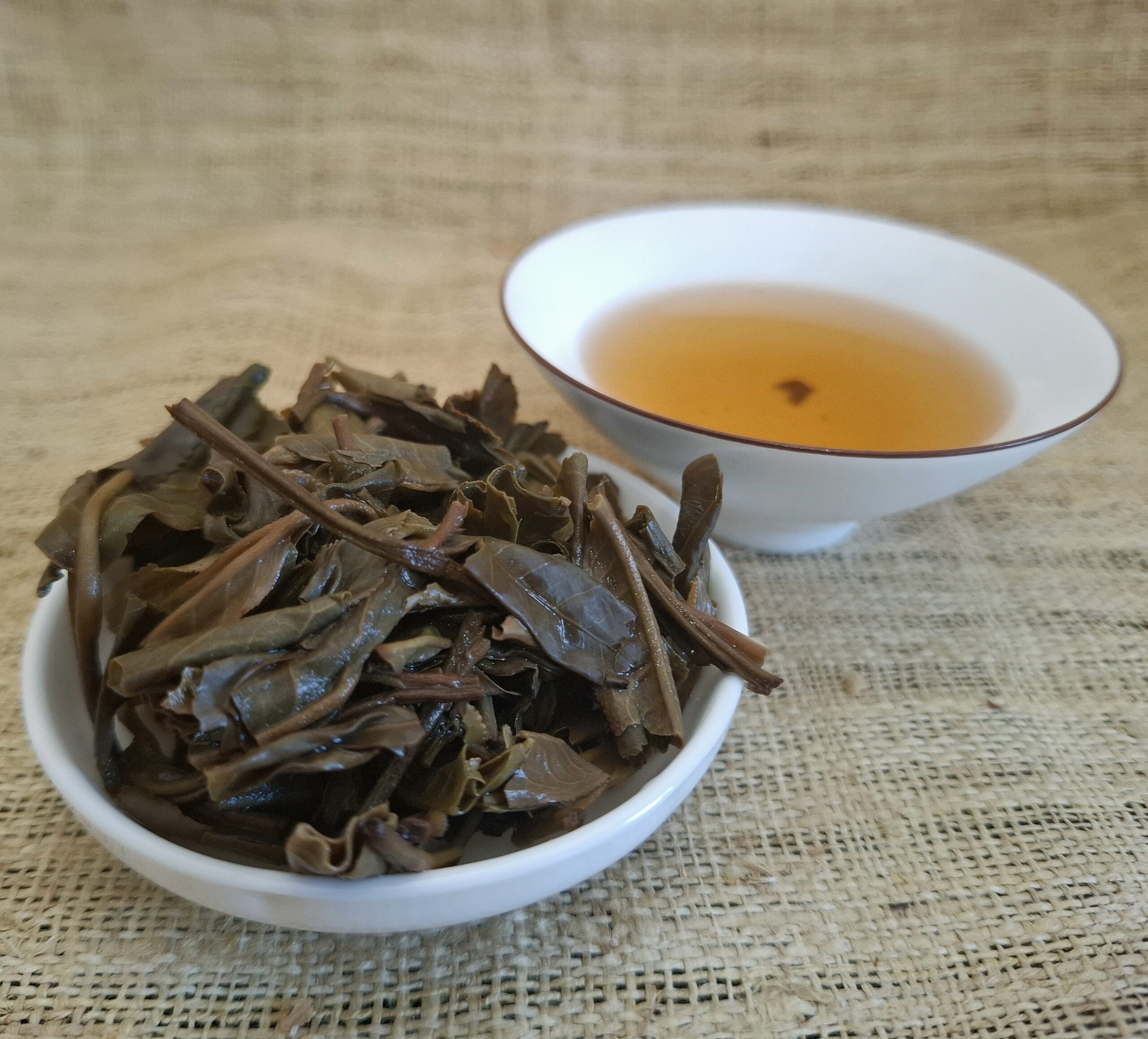
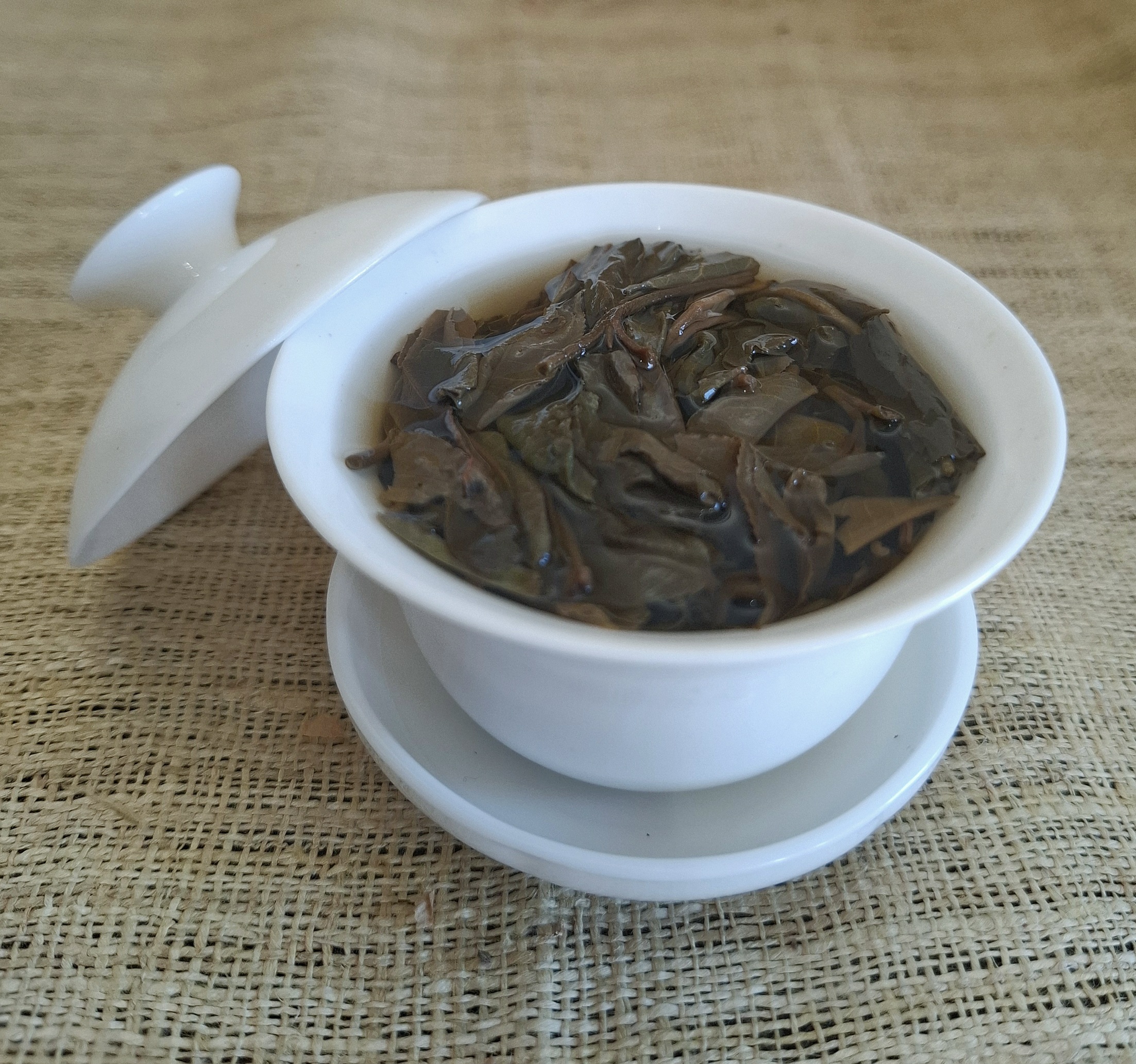
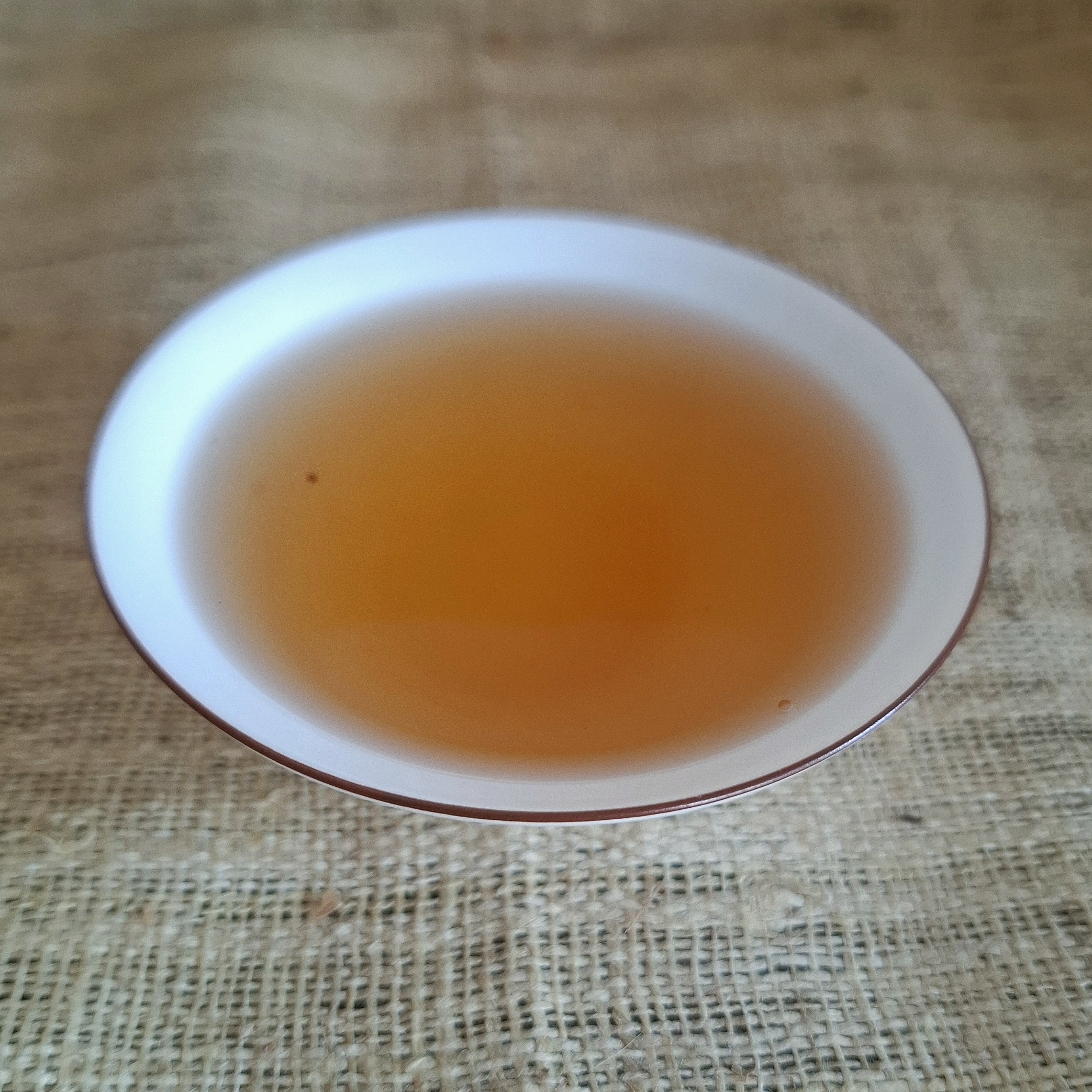
You Le Shan Spring 2020, Tall Tree ‘Gao Gan’ Forest Tea Tree Raw 200g Cake
2021 was the second year I made some tea from this forest area in Jinuo Shan. Again there were only a few kilos of tea. As with the 2020 tea, it comes from several tall trees that are growing naturally in a forest area of Jinuo Shan (You Le). The teas from this area are interesting because when fresh (just made) they seem to have very little flavour at all but after keeping the tea for several months, its character starts to emerge. Because of that I decided to get some more tea in 2021.
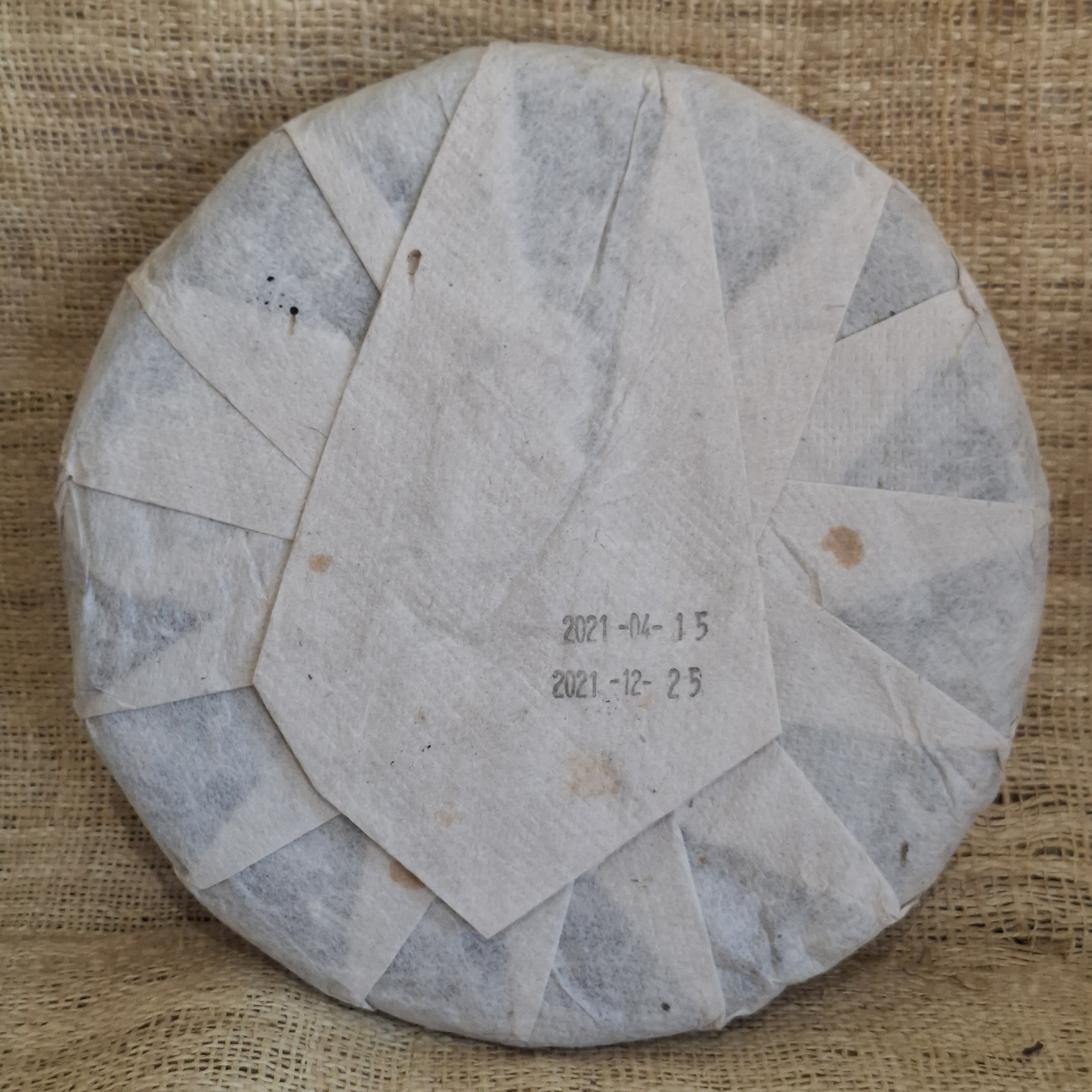
The tea trees are scattered across quite a wide area of land. The average altitude is about 1300 metres, so not extremely high. Picking the tea means moving over some considerable distance as the picker moves from one tree to the next. As a result the amount that is available and gets picked in a day is very small.The cakes were pressed in late 2021.
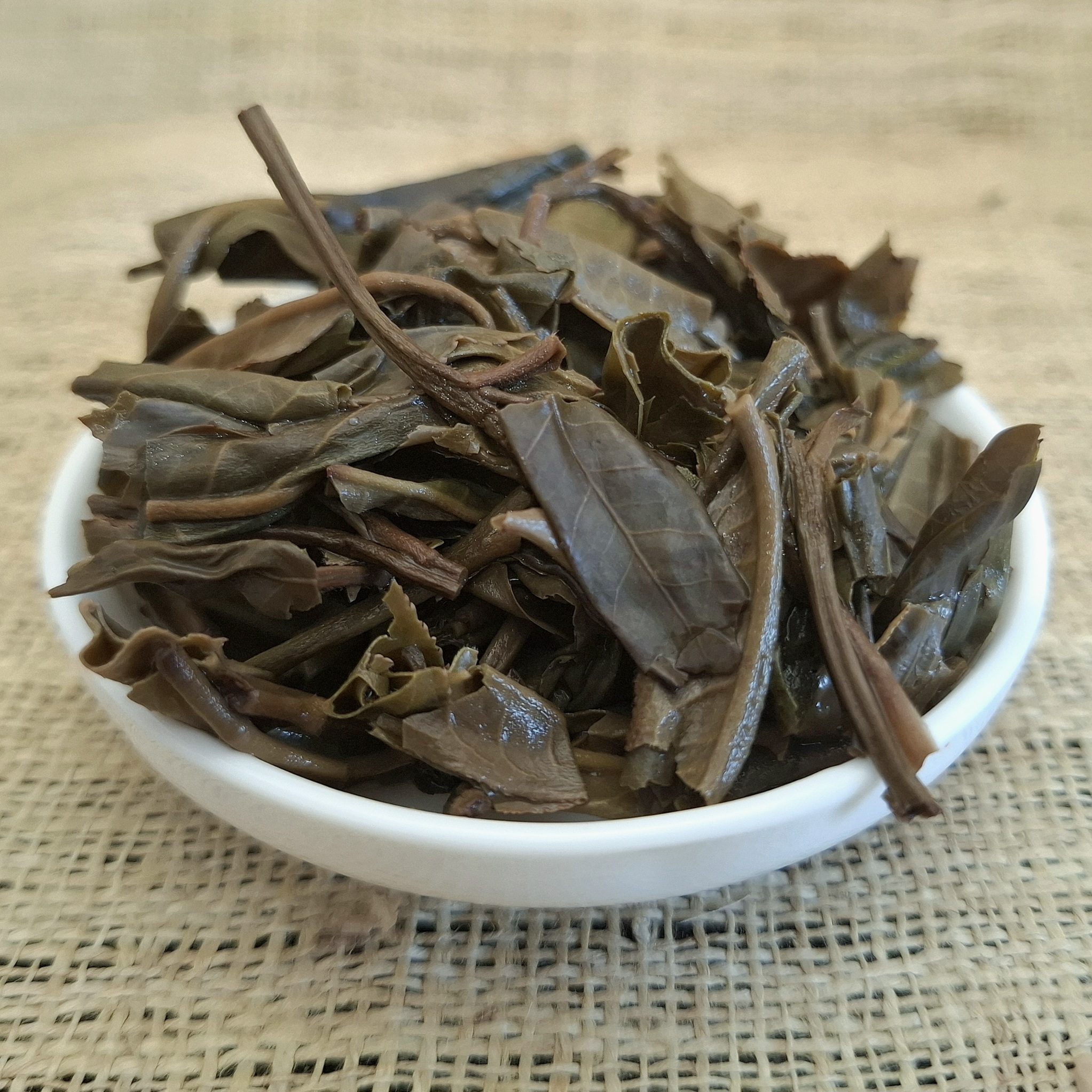
The fragrance on the gai wan lid and wet leaves ranges from something reminiscent of black pepper, herbal-medicinal, something mushroomy, and in the gong dao bei a fresh dough-like aroma and then a more yeasty aroma with notes of herbal-fresh grasses. The kou gan is gentle and rounded with very little ku se. The shui lu is perhaps a little short but the tea has some sheng jin and nice floral hou yun.
Unless stated otherwise, all my Puer teas are hand picked, fired and rolled. They are then sun dried. Cakes are stone pressed.
Please be aware that because raw Puer tea is a 'post-fermented' tea it is continually in a process of change: as it ages, but also from season to season and even day to day, so the description here is a snapshot of the teas qualities and character on this particular occasion, which should not differ significantly, but which will change none-the-less over time.
$125.00
In stock
About Agrochemicals
I do not get all my teas routinely tested for agro-chemicals. I am extremely careful about which gardens I source from: tea gardens that are in a diverse, natural environment where there is no need for the use of agro-chemicals and which I am confident are all free of herbicide and pesticide traces.
In recent years anthraquinone in tea has become a talking point. I do not generally test tea for anthraquinone and, whilst I try my best to minimise the potential for it, I do not prioritise that over other factors. You can read more here.