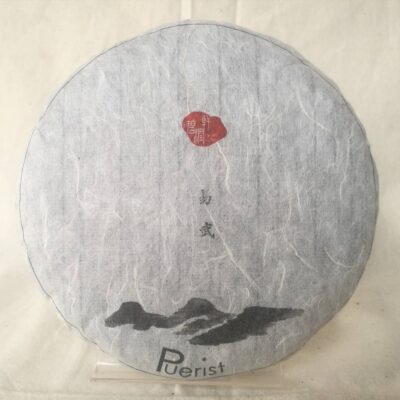
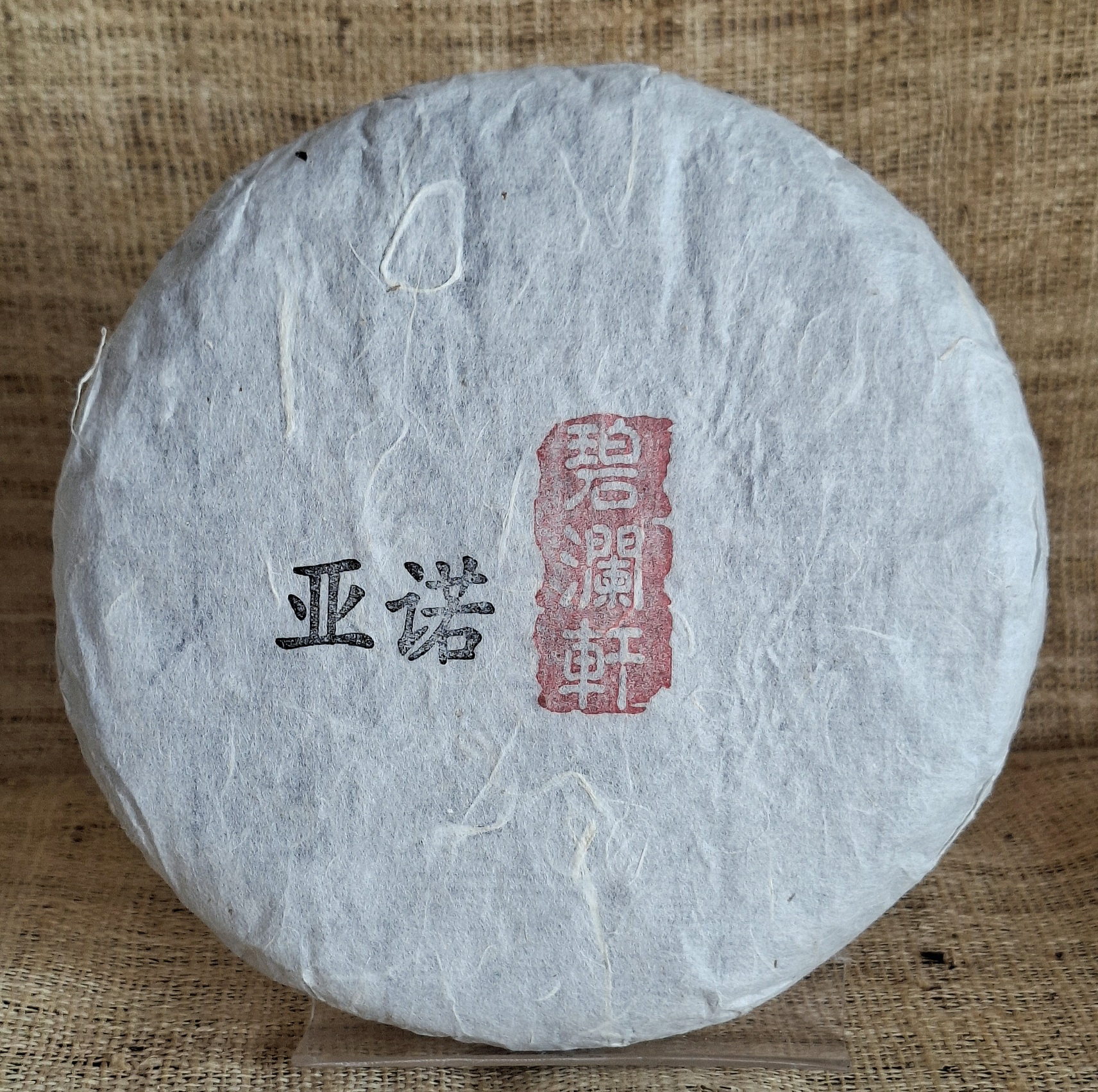
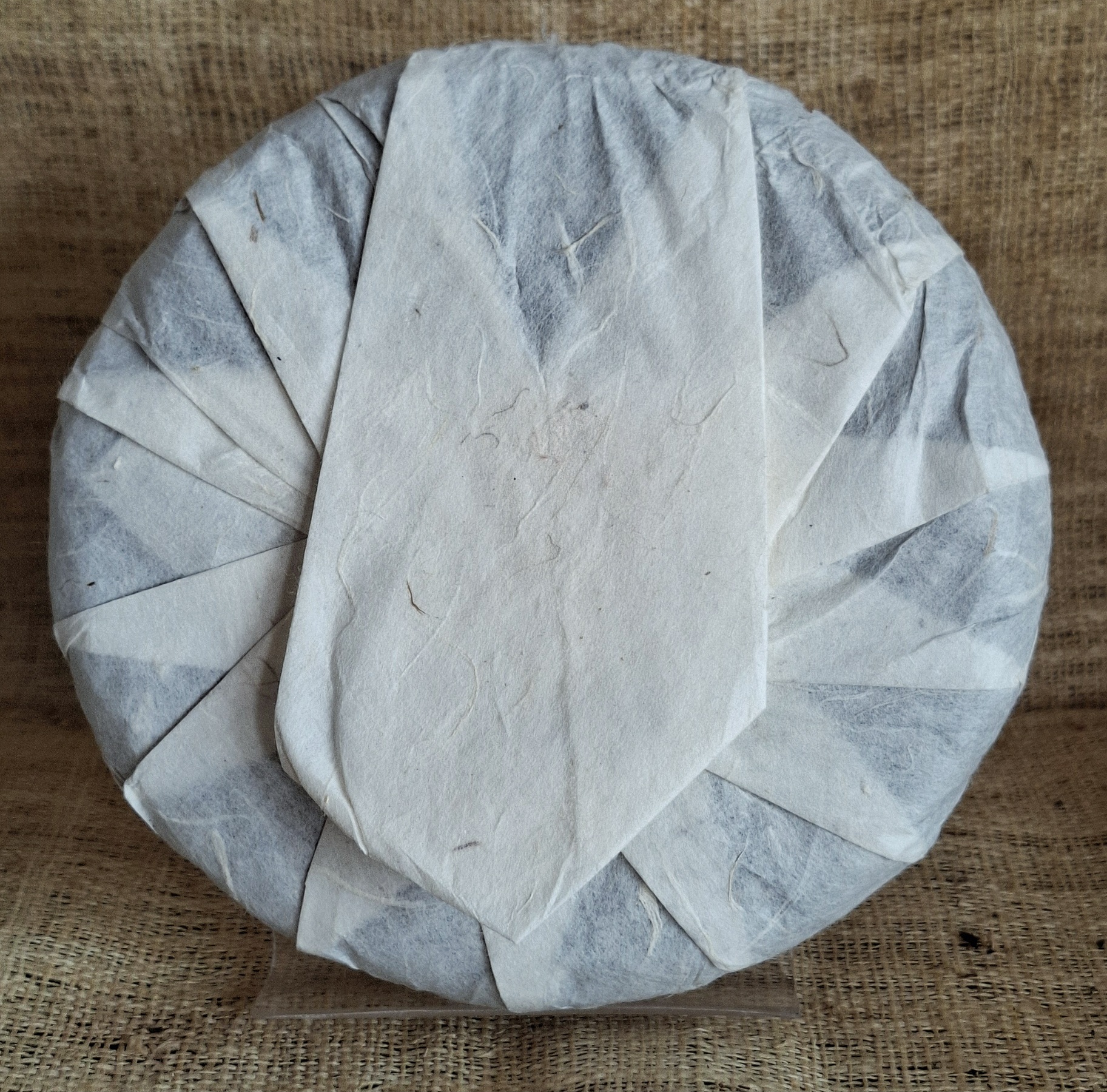
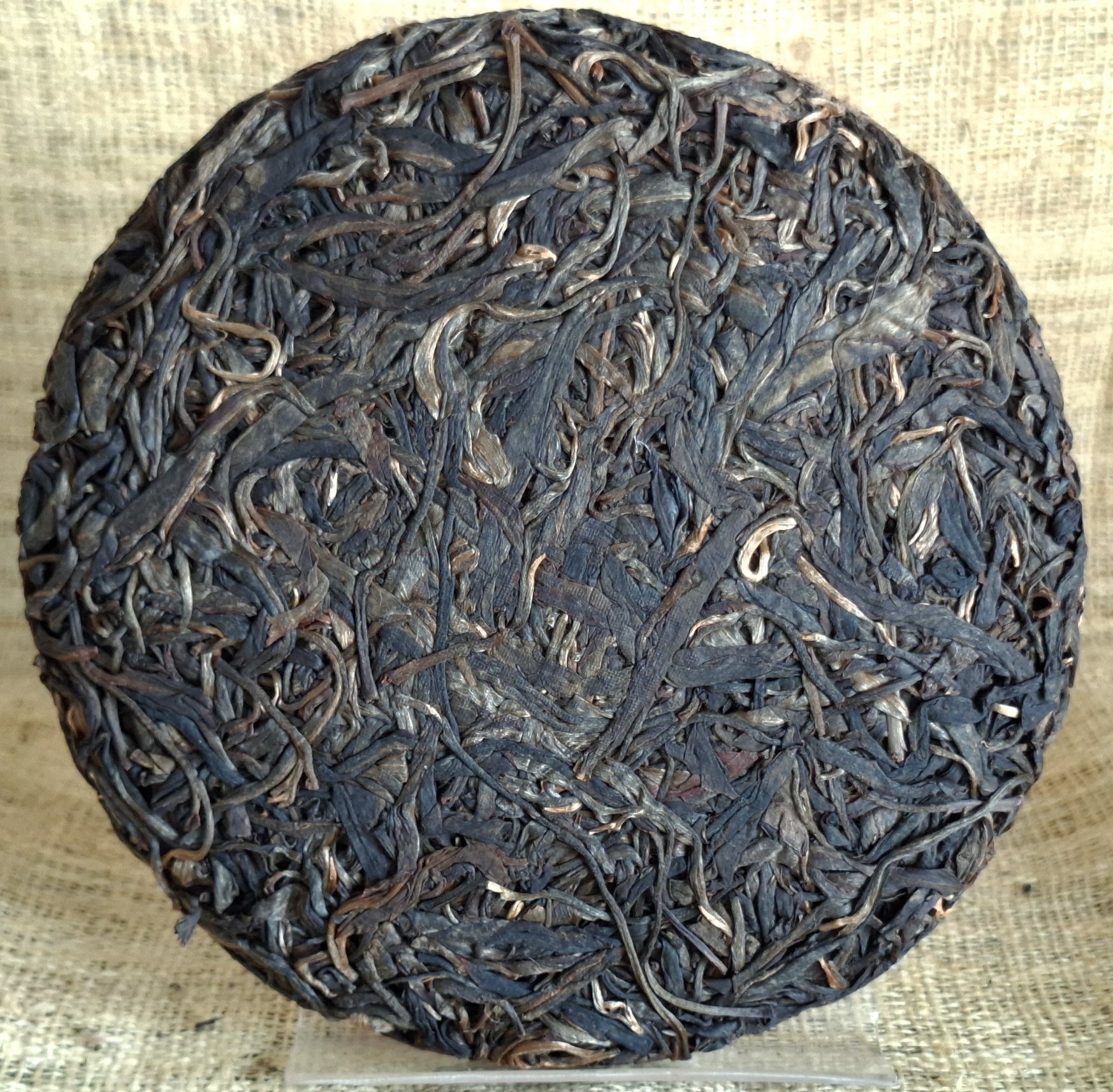
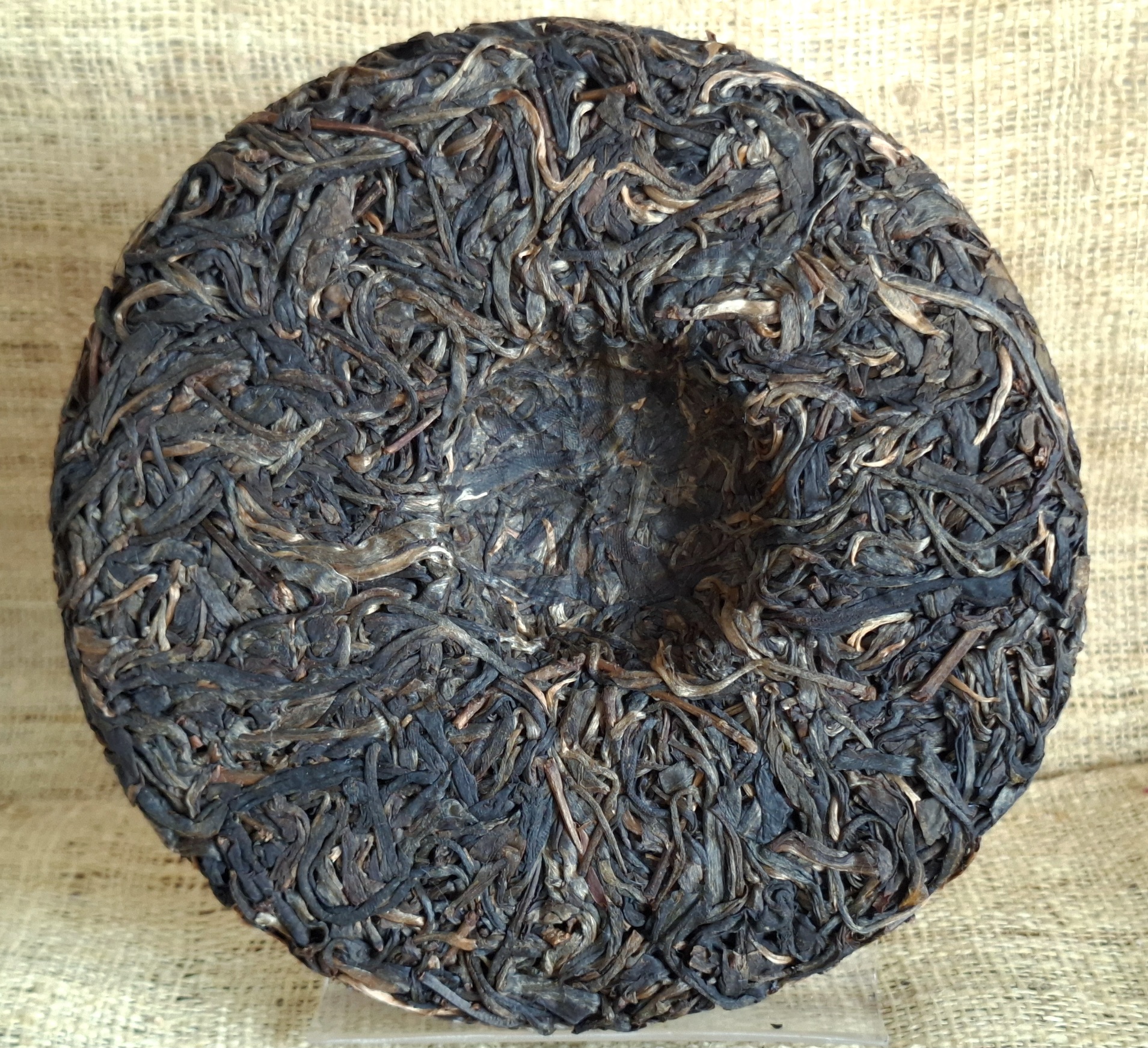
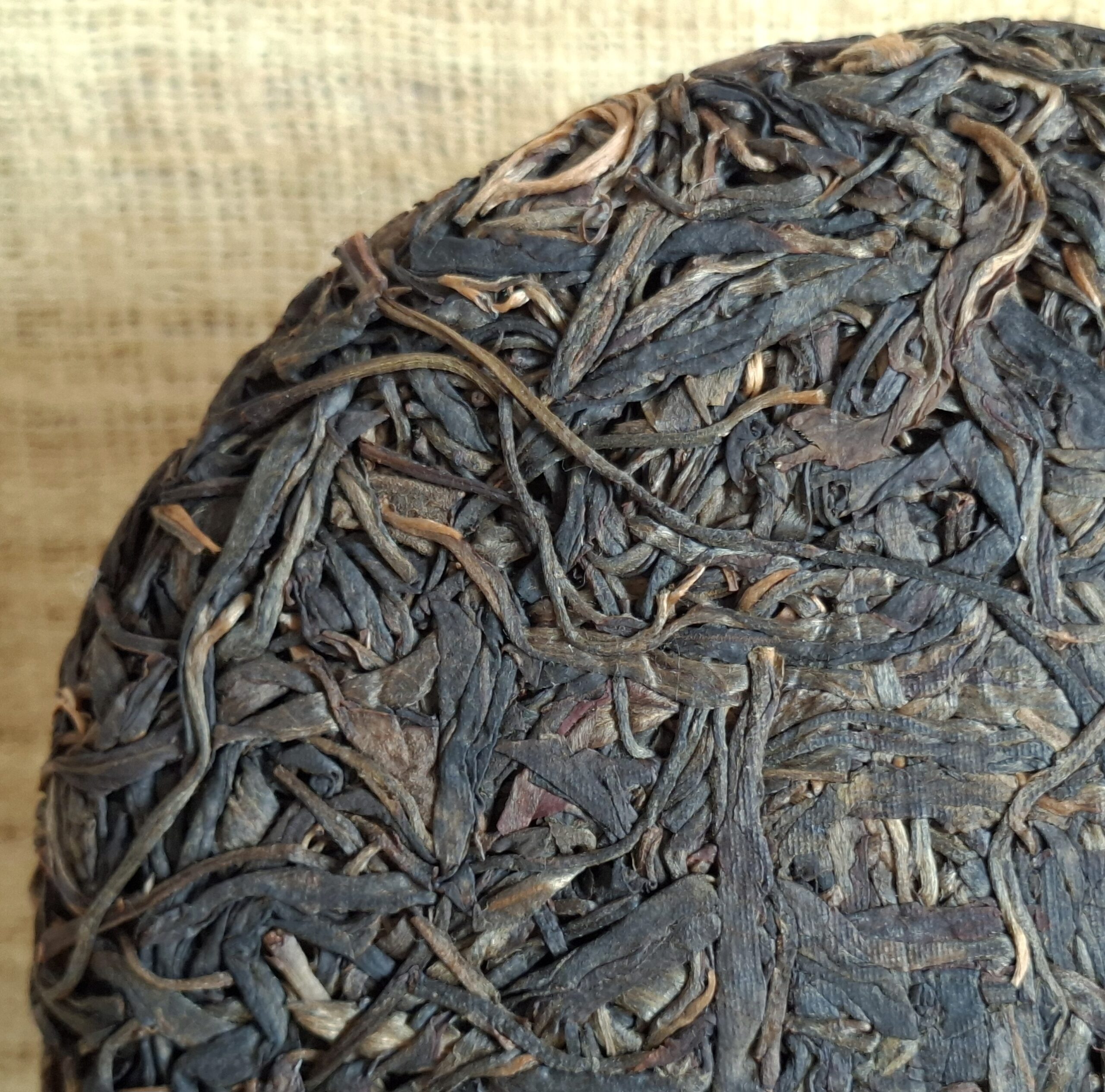
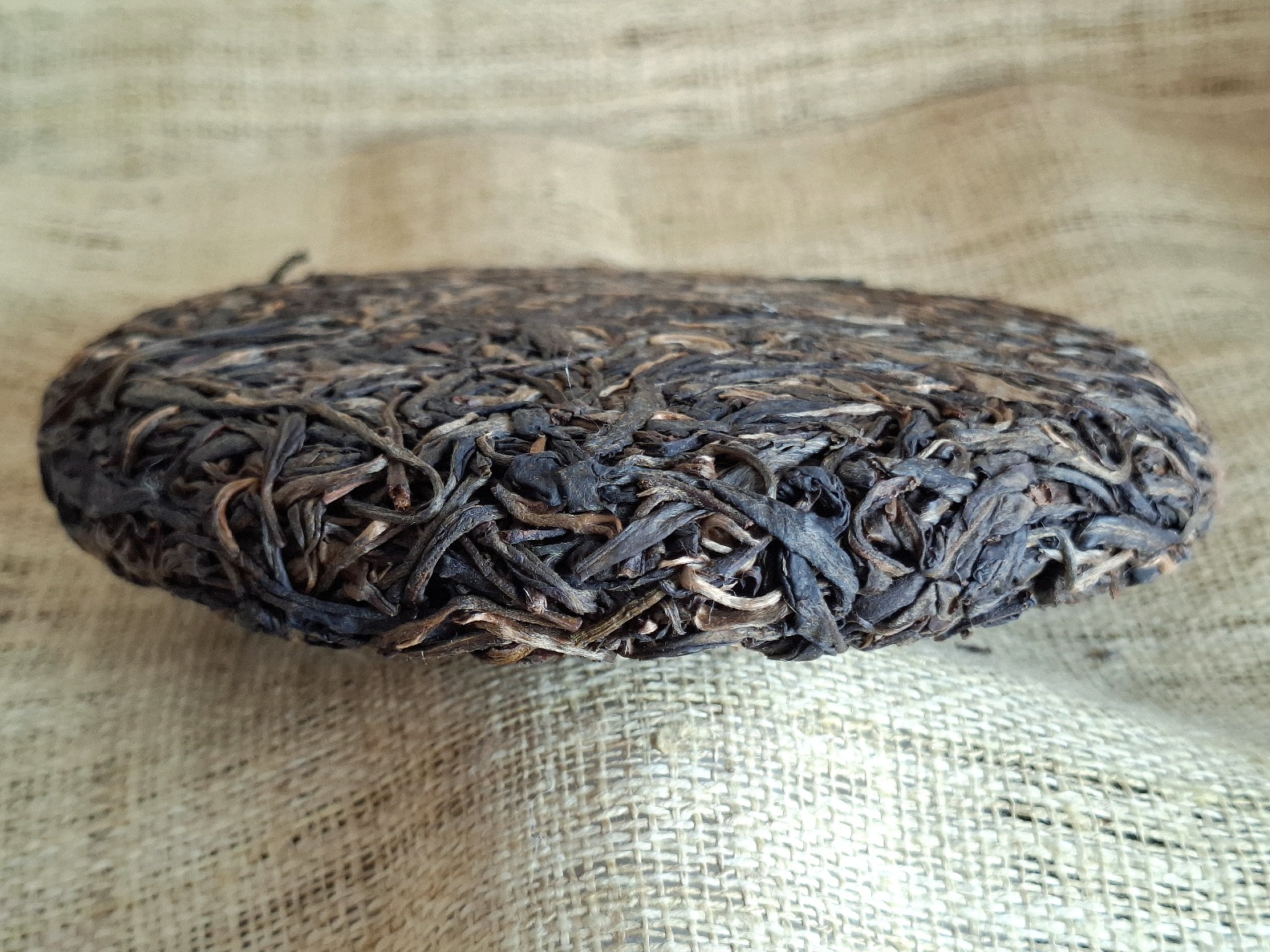
You Le Early Spring 2018, Ancient Tree Raw Puer, 200g cake
Many years back, maybe in 2009, I had tasted a Jinuo Shan (You Le) tea from, I think, 2005 which left an impression on me. Subsequently I came across a 2007 tea from Ya Nuo, sometimes referred to as Long Pa, which was also interesting. In 2013 I made some tea from Ya Nuo for the first time. I kept it for a few years waiting to see how it developed. It took a few years but it turned out pretty well. In 2018 I got some more tea from the same tea gardens which I've been storing since then. I think it's now pretty decent
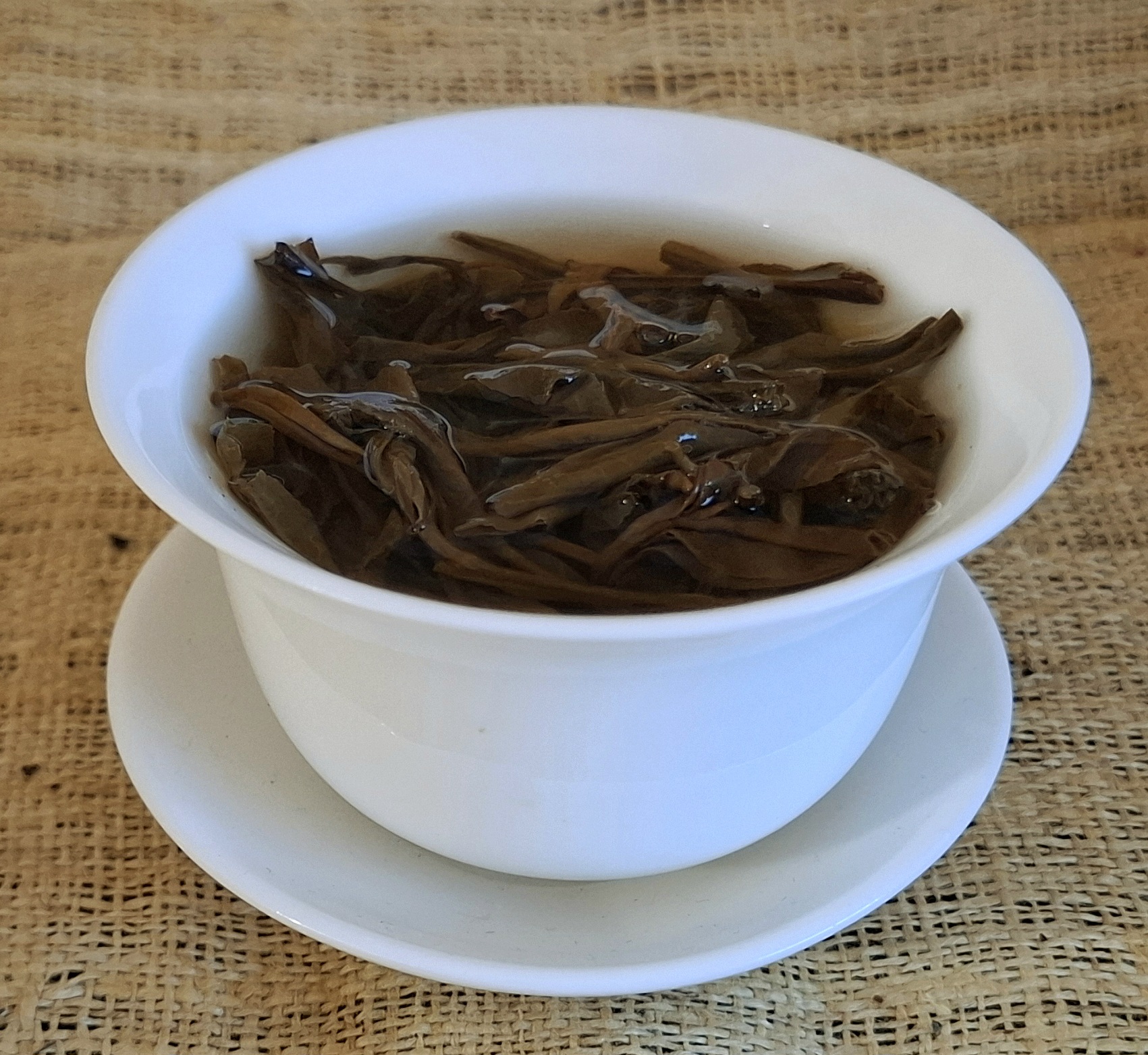
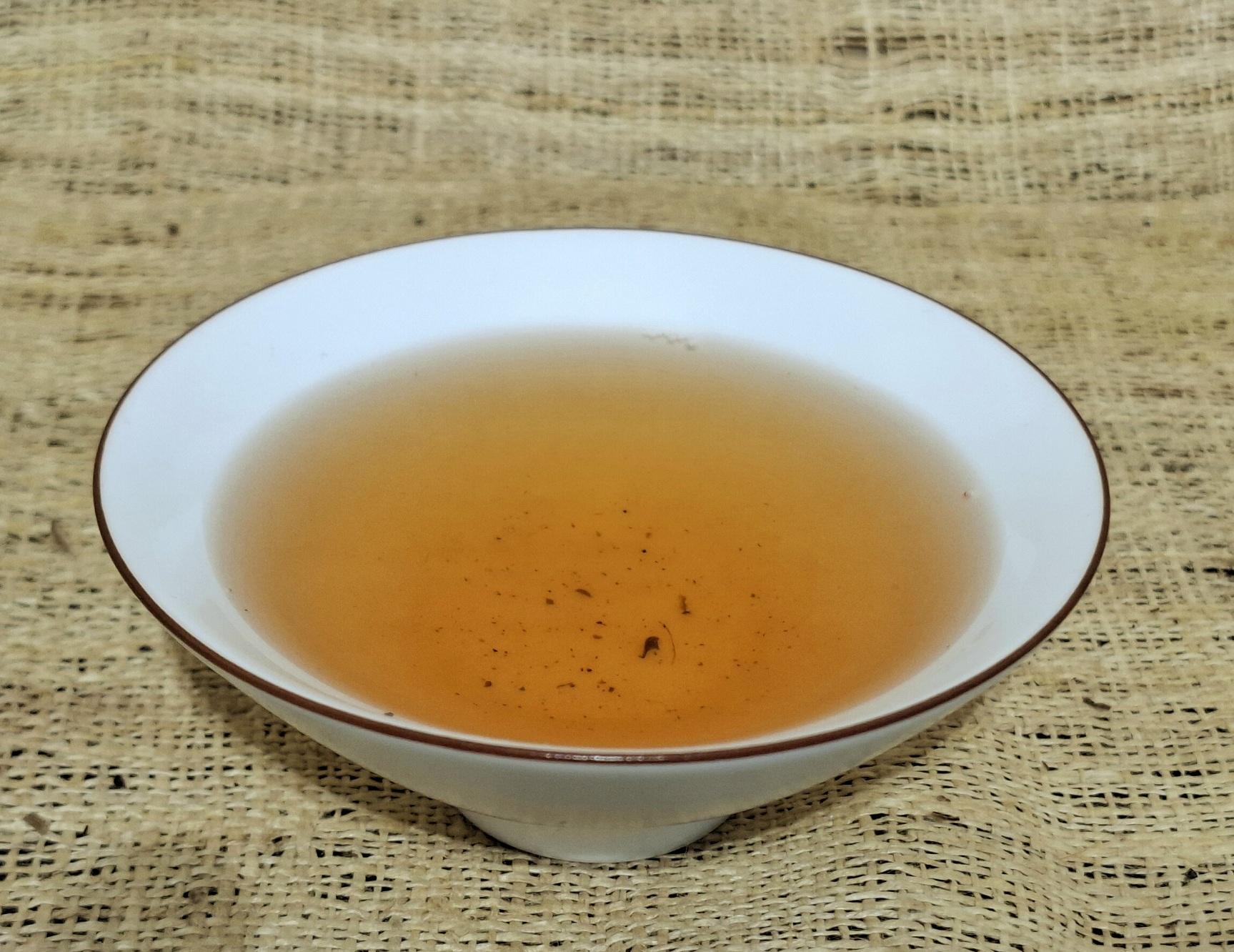
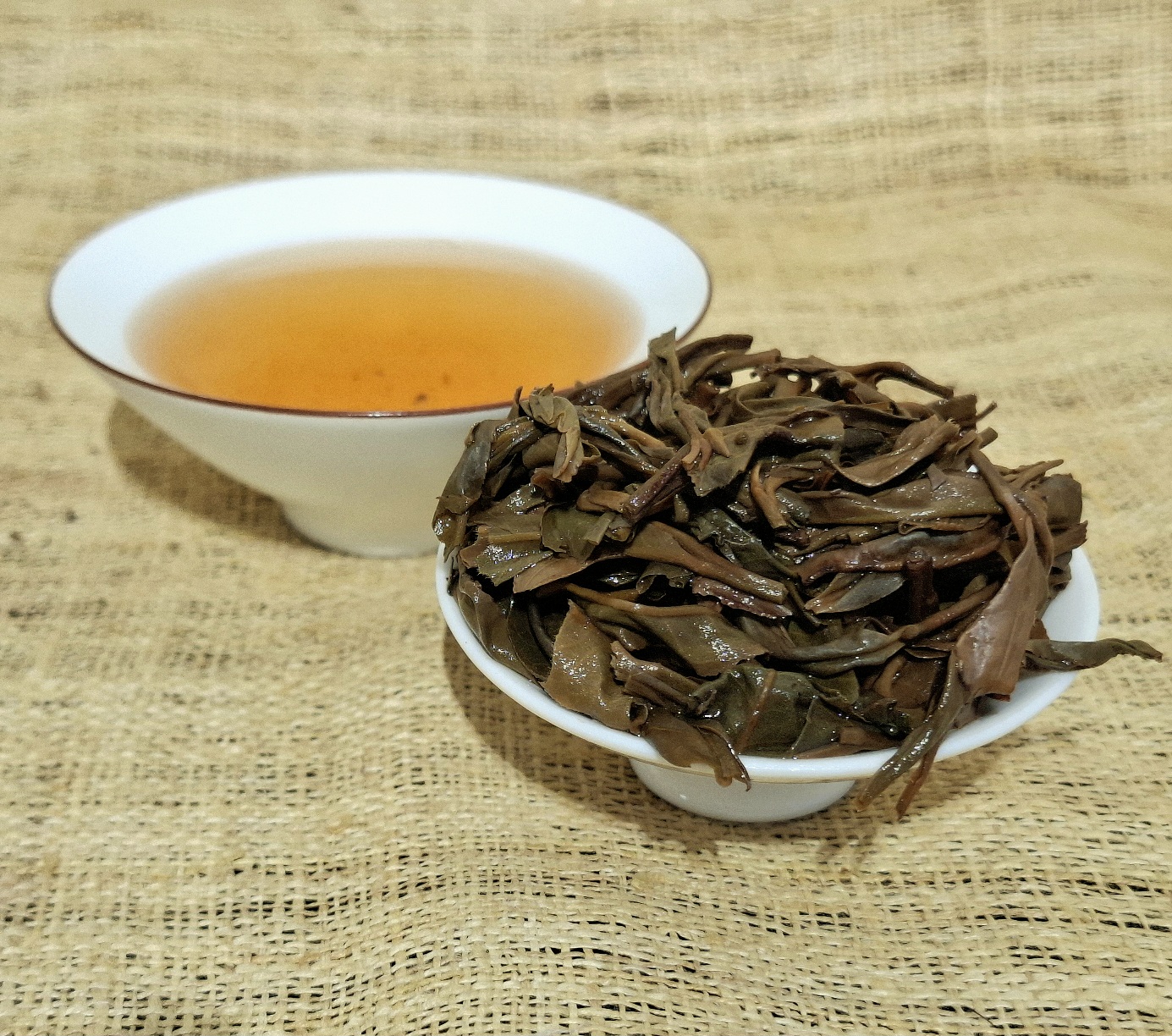
The wet leaves have a fairly typical woody-linseed-mushrooms-petrichor sequence with maybe a little camphor-like cooling at the end. The aroma in the gong dao bei and gai wan lid has a whiff of something milk-like but the a more dominant licorice and then more familiar fragrant-woody notes. The ru kou is quite punchy with a distinct bitterness but none-the-less smooth. The tea has some decent hou du though the lower end still needs some more time to thicken up. The tang gan is smooth but with a little astringence. The tea produces a little sheng jin and some aftertaste/houyun that has woody-petrichor aroma with a light cooling sensation. Overall it's a very decent tea. Relatively straightforward but powerful.
The Ya Nuo tea gardens are the largest contiguous area of ancient tea trees in the Jinuo Shan area and lie on the edge of a nature reserve at an altitude from 12,000 to 15,000 meters. In some ways Ya Nuo is the odd-man-out amongst the Six Famous Tea Mountains, having a character that is more aggressive, more reminiscent of Menghai style tea.
All Puer teas are hand picked, fired and rolled, or sometimes machine rolled. They are sun dried. Cakes are stone pressed.
Please be aware that because raw Puer tea is a 'post-fermented' tea it is in a process of continual change: as it ages, but also from season to season and even day to day, so the description here is a snapshot of the tea's quality and character, which should not vary significantly, but which none-the-less can change.
$84.00
In stock
About Agrochemicals
I do not get all my teas routinely tested for agro-chemicals. I am extremely careful about which gardens I source from: tea gardens that are in a diverse, natural environment where there is no need for the use of agro-chemicals and which I am confident are all free of herbicide and pesticide traces.
In recent years anthraquinone in tea has become a talking point. I do not generally test tea for anthraquinone and, whilst I try my best to minimise the potential for it, I do not prioritise that over other factors. You can read more here.