
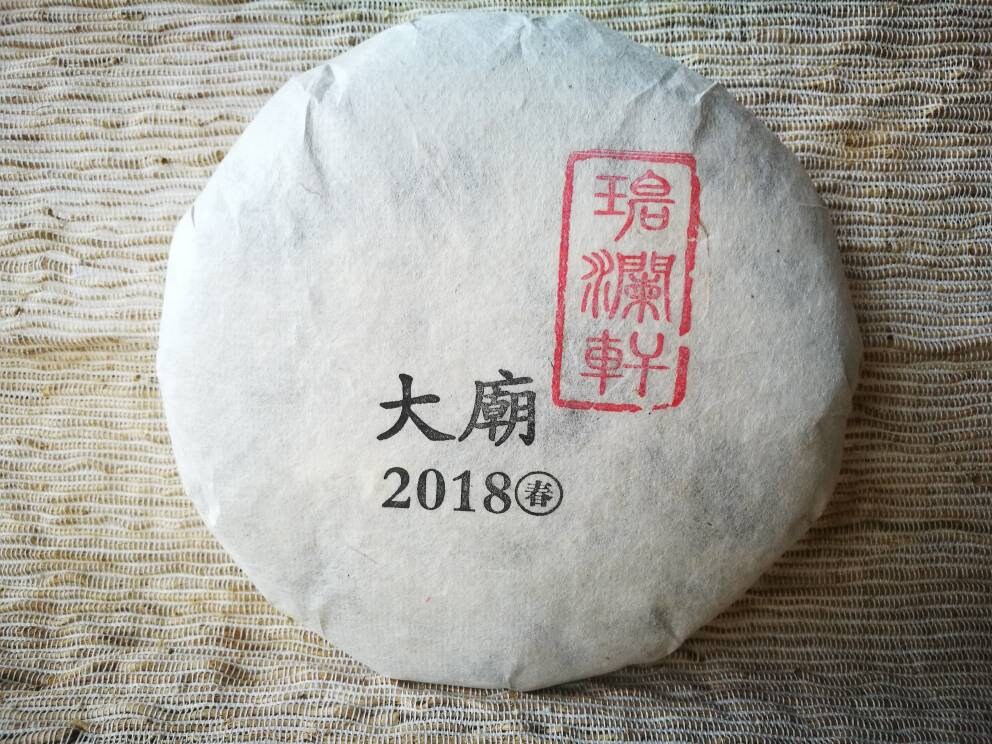
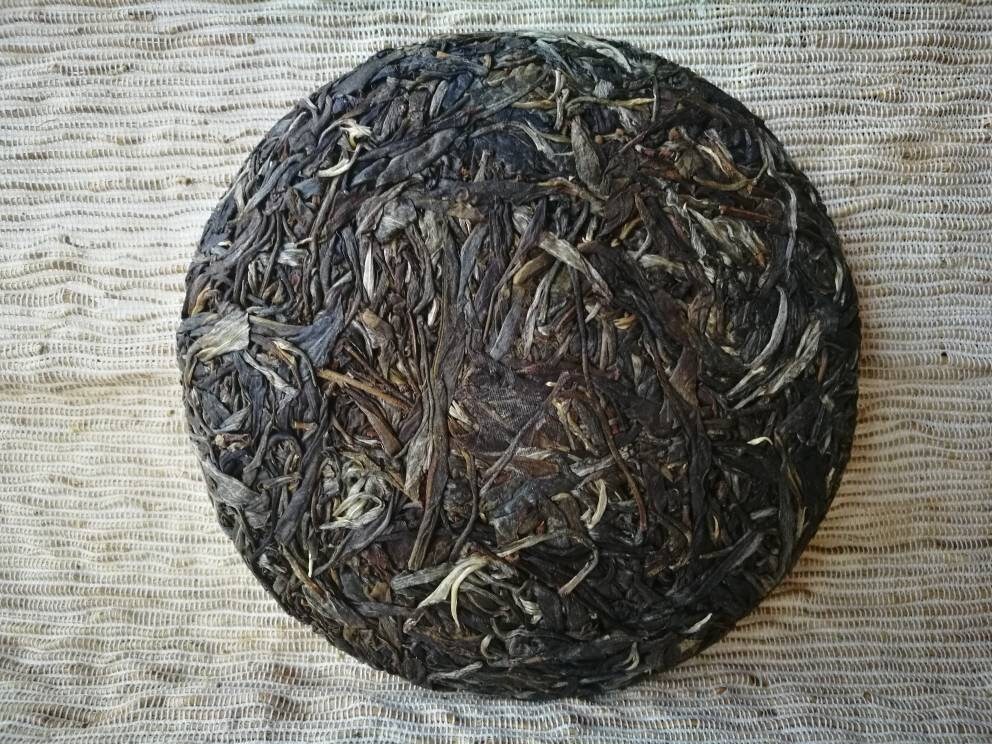
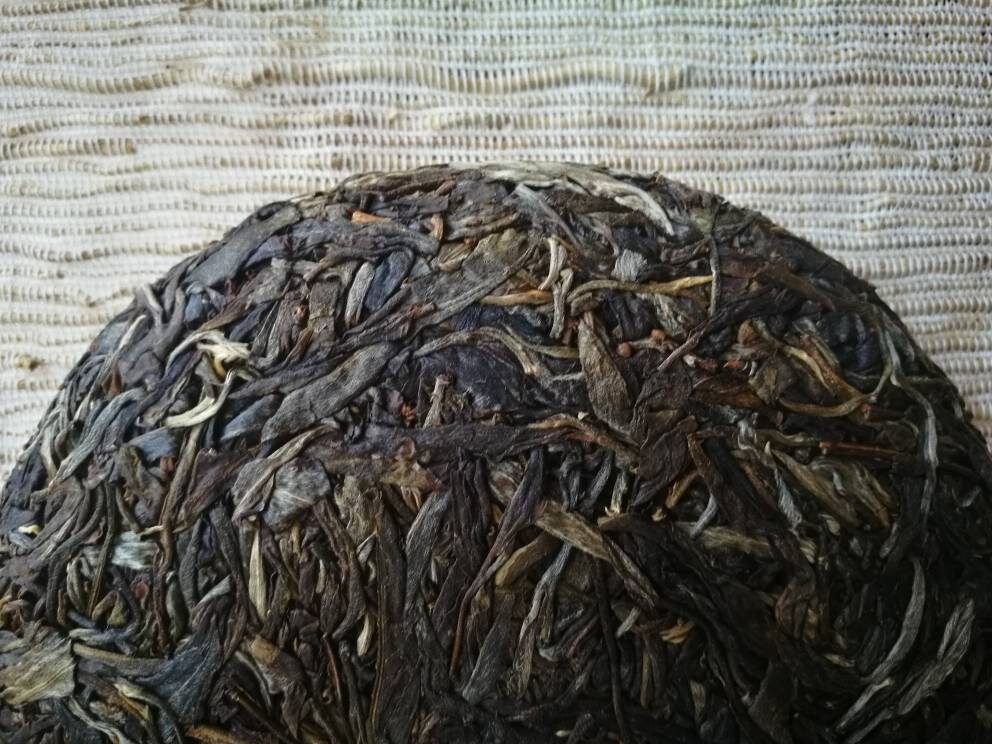
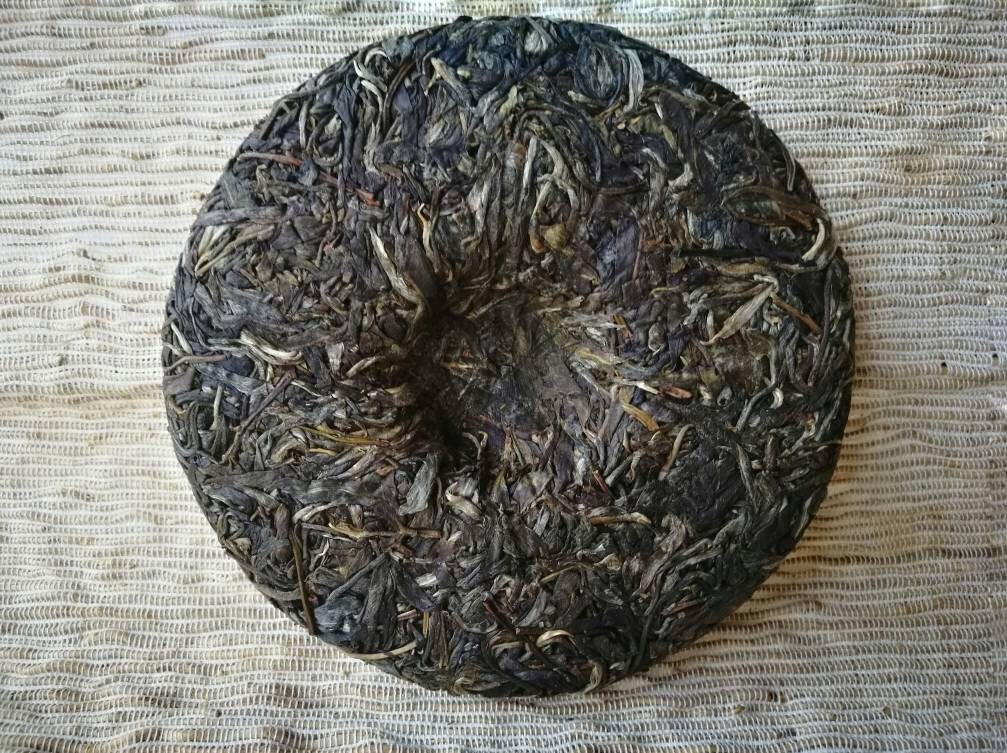
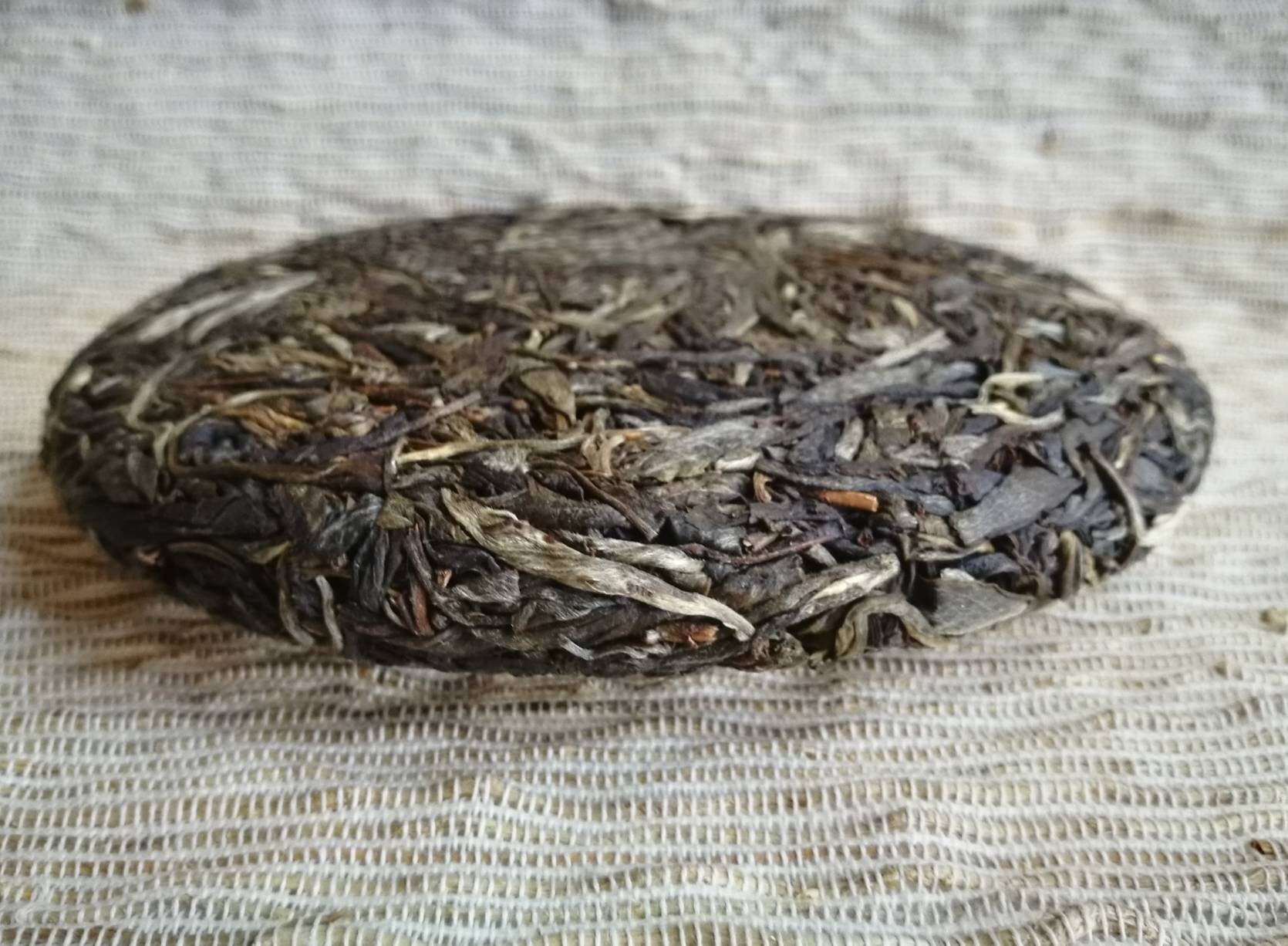

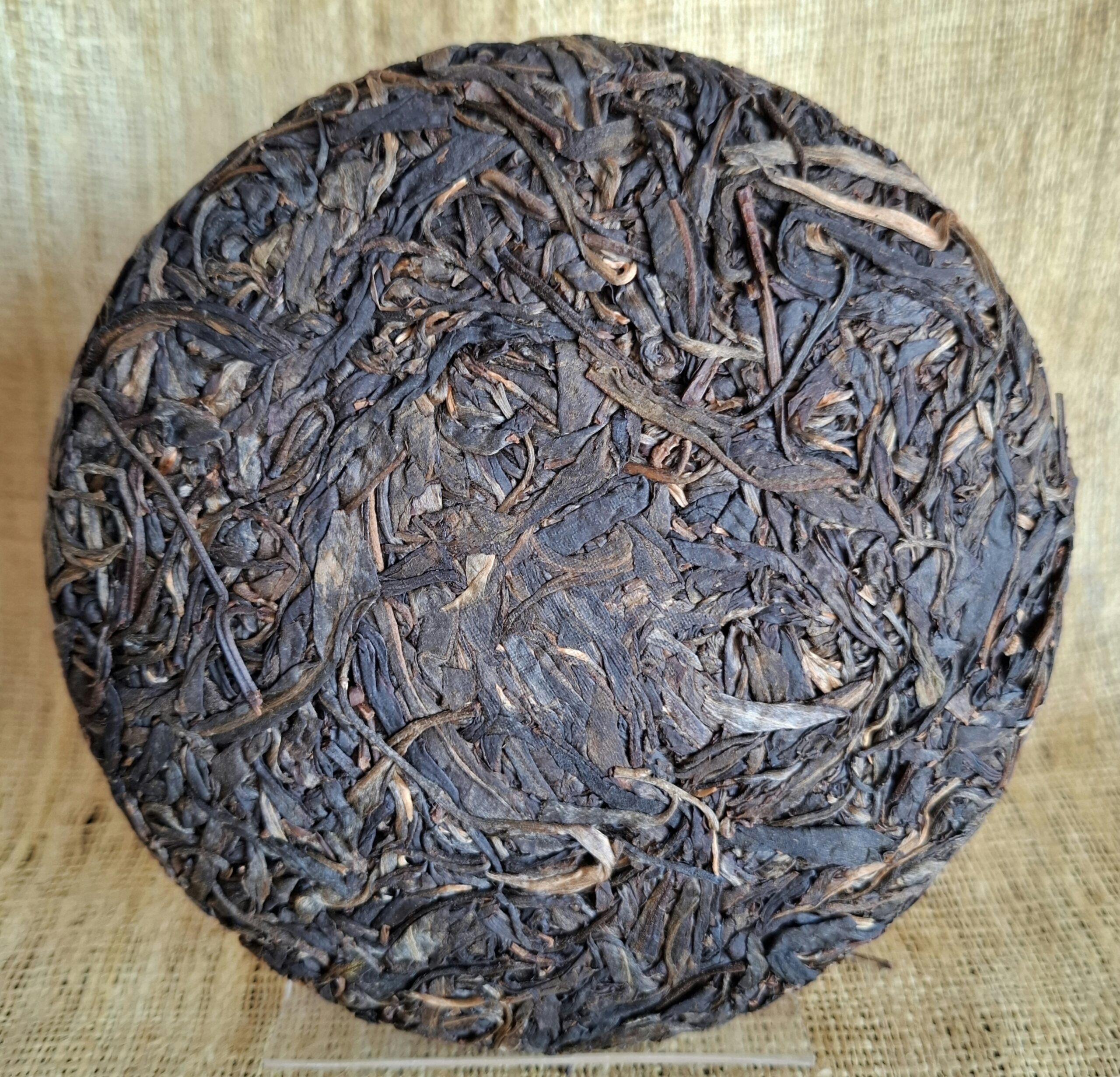
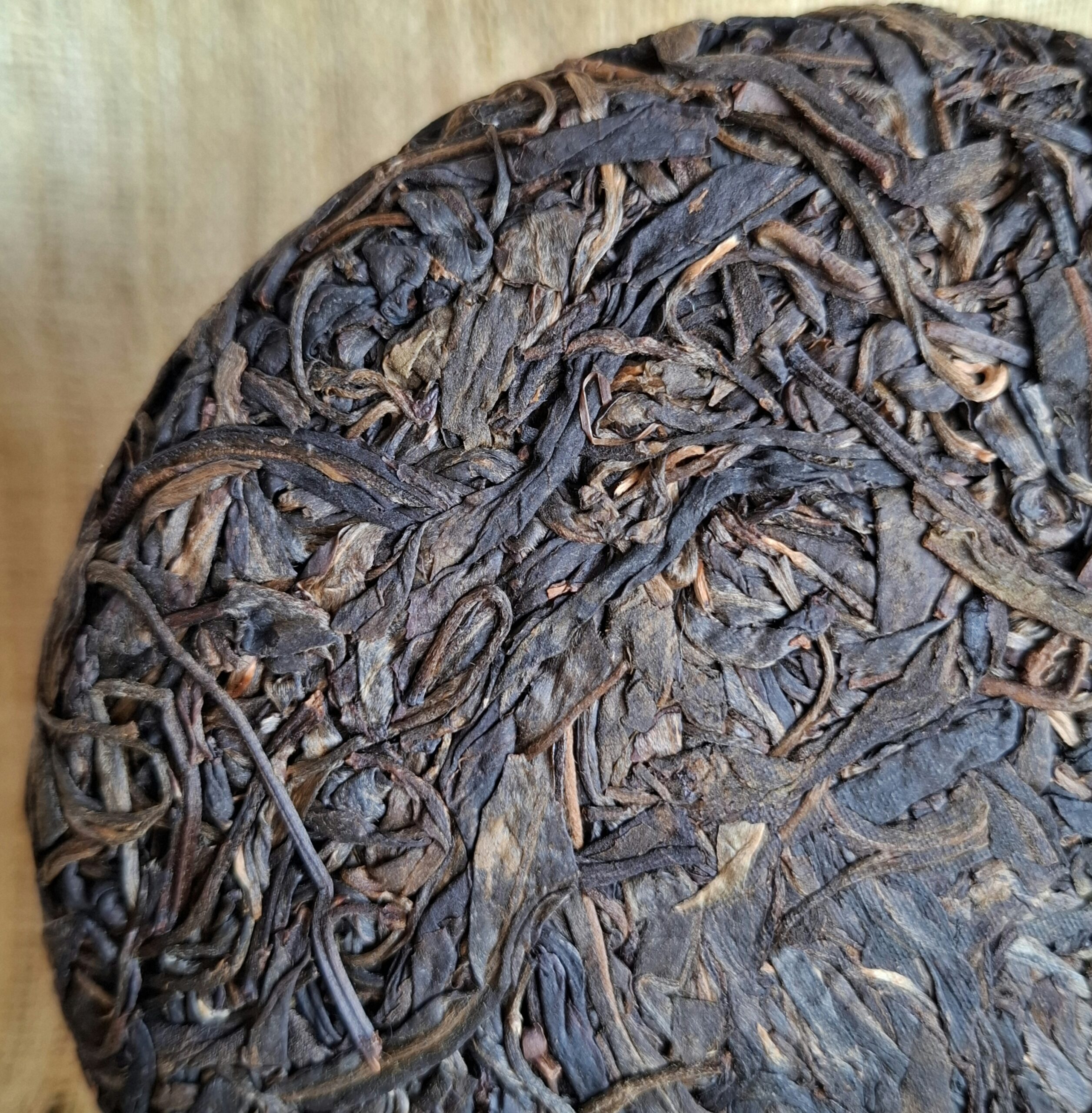
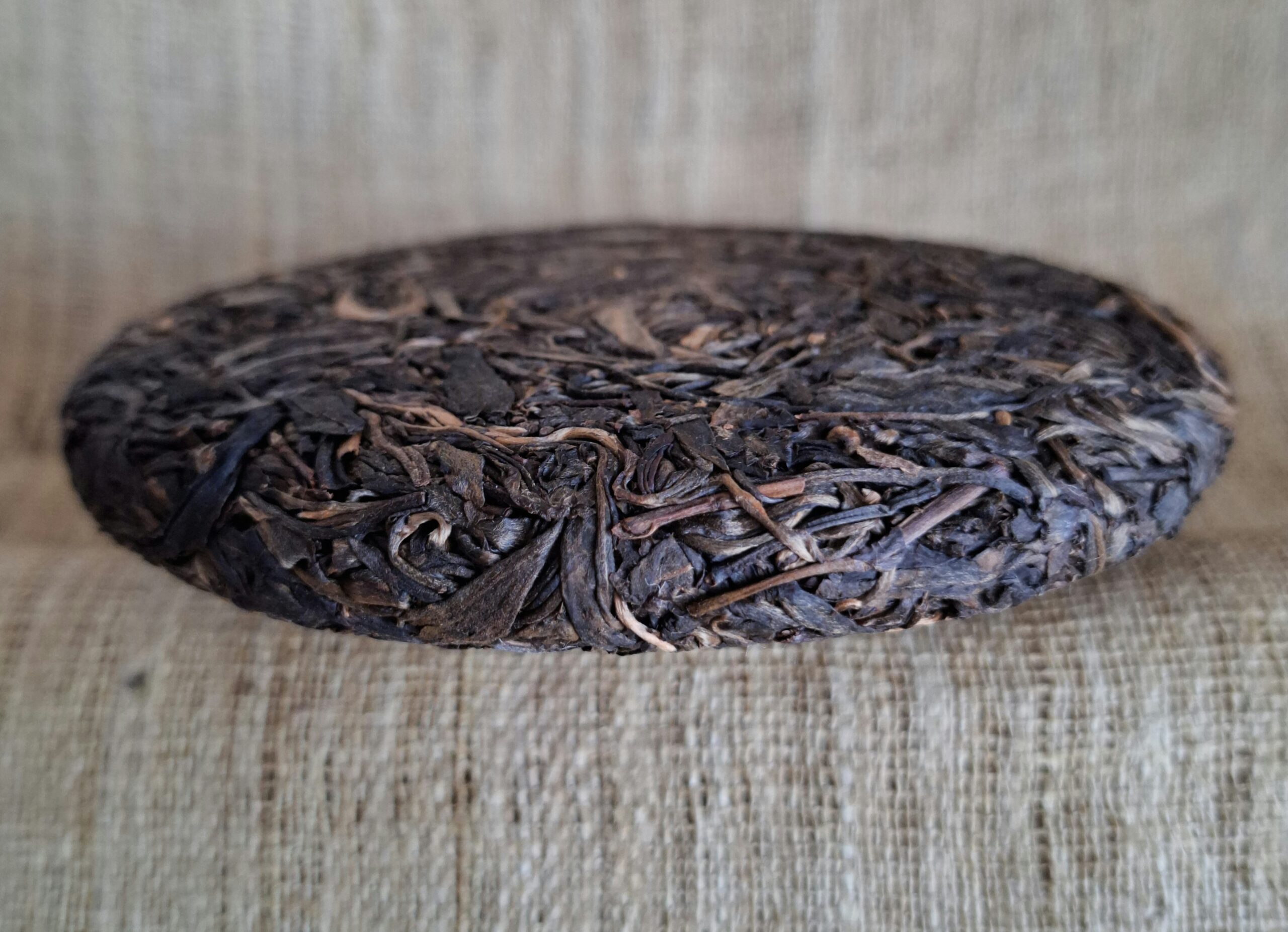
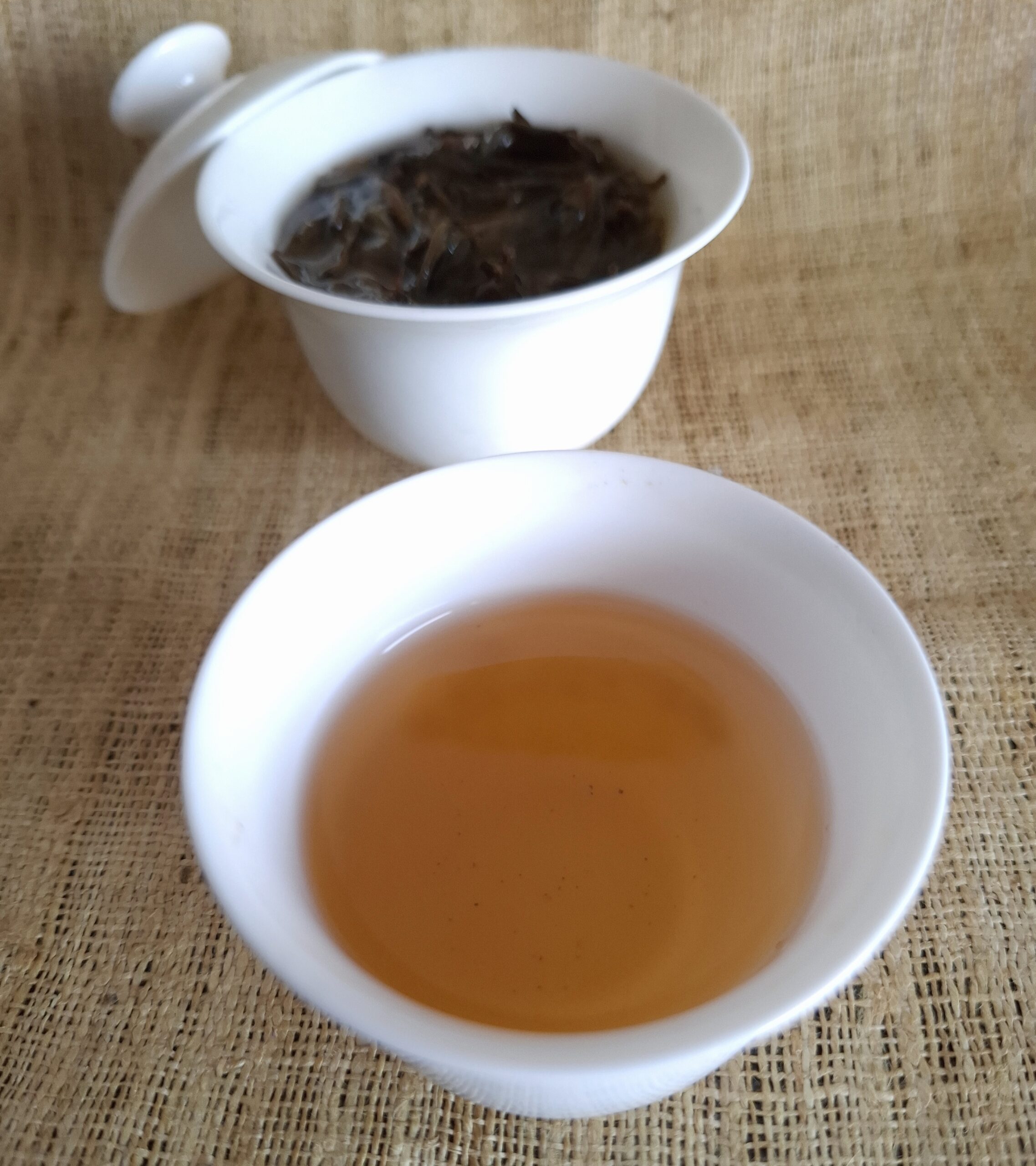
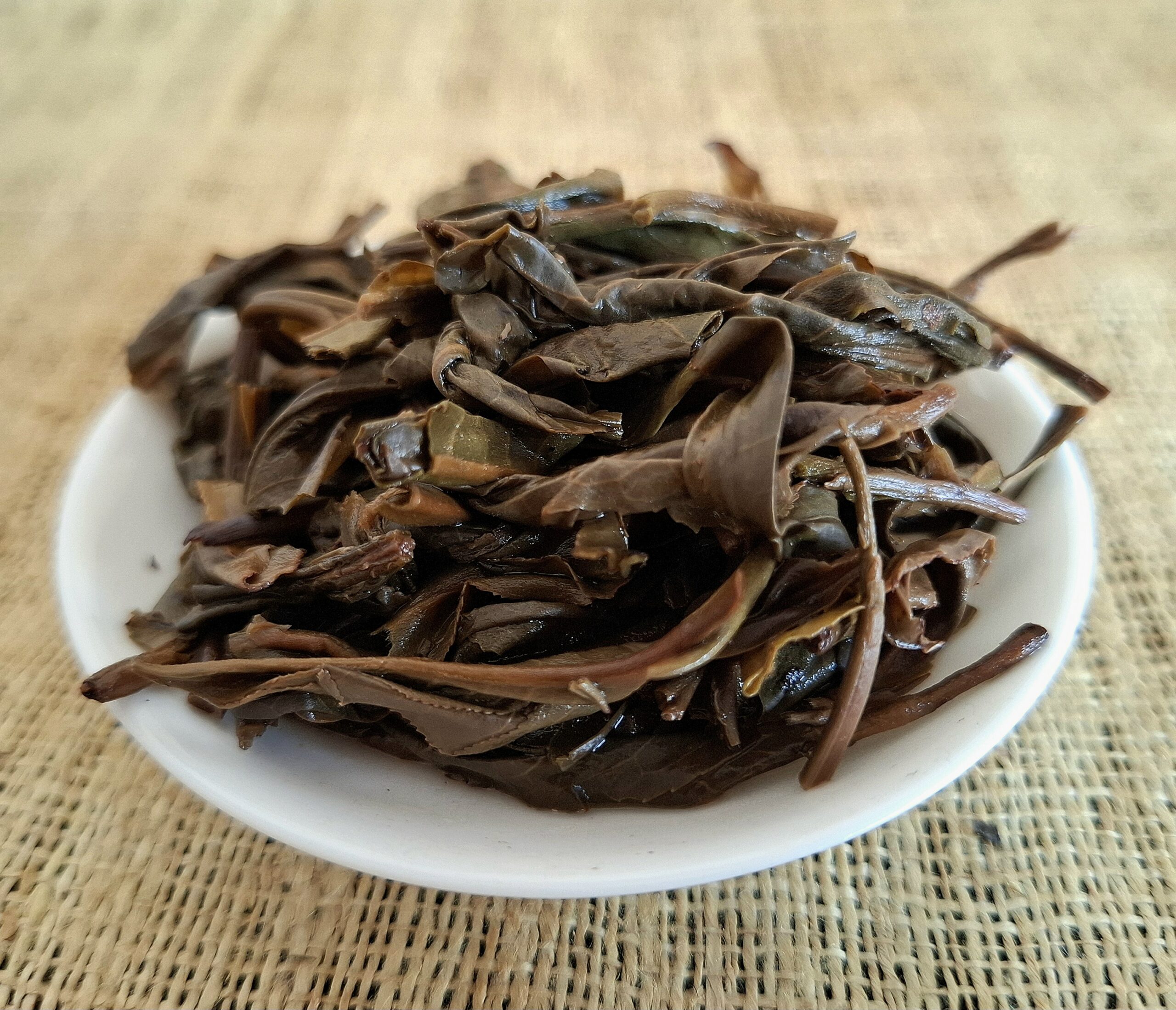
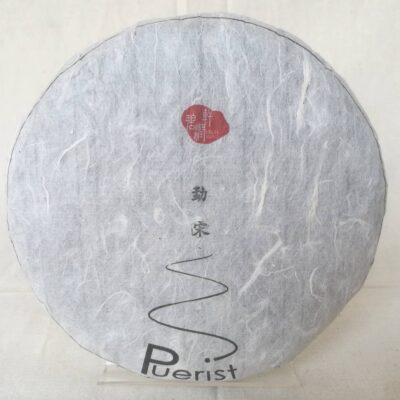
Yiwu Da Miao, Early Spring 2018, Old Tree Raw Puer, 200g cake.
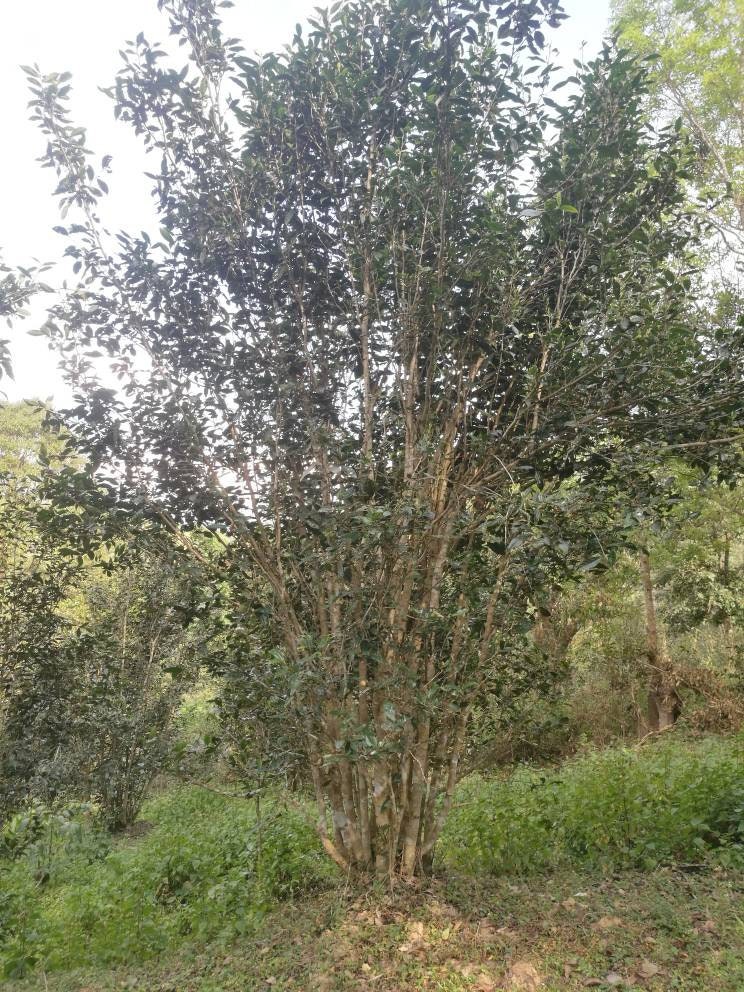
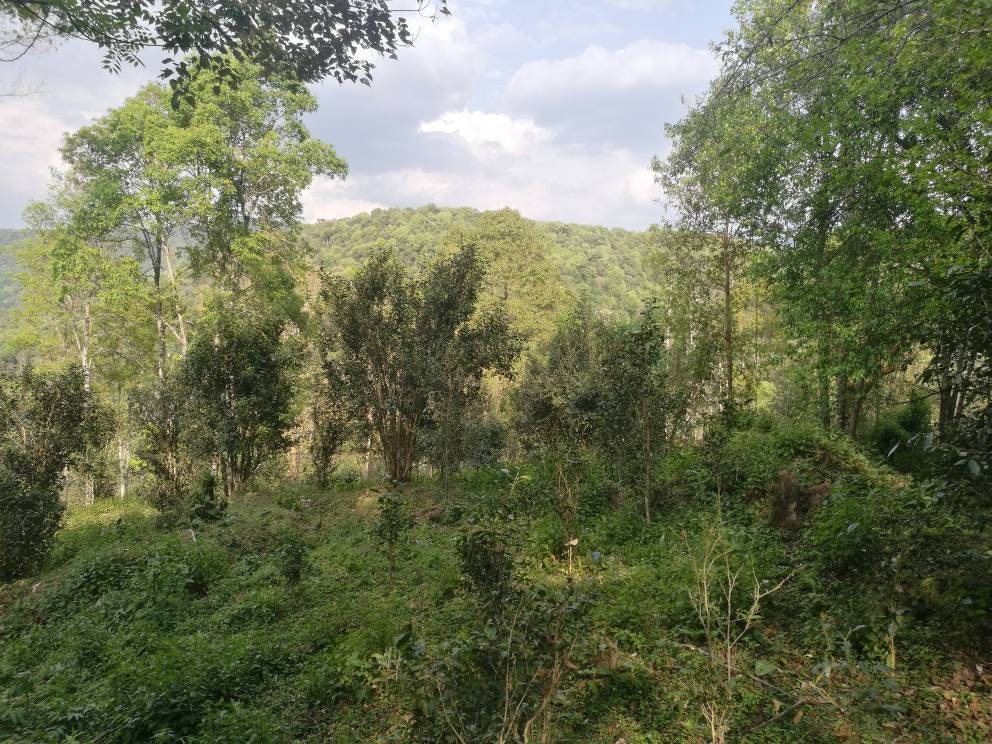
From a tea garden in the same area as Yiwu No 1 gardens. It's a little easier to get to than Yiwu No 1, but it is still quite some way from the village and is not picked often. It's at an altitude of 1300-1400 meters. There was only 9kg of Spring mao cha from this garden this year.
The wet leaves smell of honey with a hint of sour fruit. The fragrance in the 'gong dao bei' is quite heavy, honey-floral and seems to linger for ages becoming more pungent as it cools. The new tea has a very slight smokiness that disappears after the first couple of steeps.
The 'ru kou' is quite smooth, sweet and light with a nice velour. It has a very slight tart-fruit note and enough puckeriness to get the saliva flowing.
The flavour is quite delicate but rounded enough with a slight minerality accompanying the sweet, floral notes and a little dryness on the tongue.
After drinking, the mouth and throat is coated in sweetness and there's a gentle cooling sensation on the back of the upper-palate and throat.
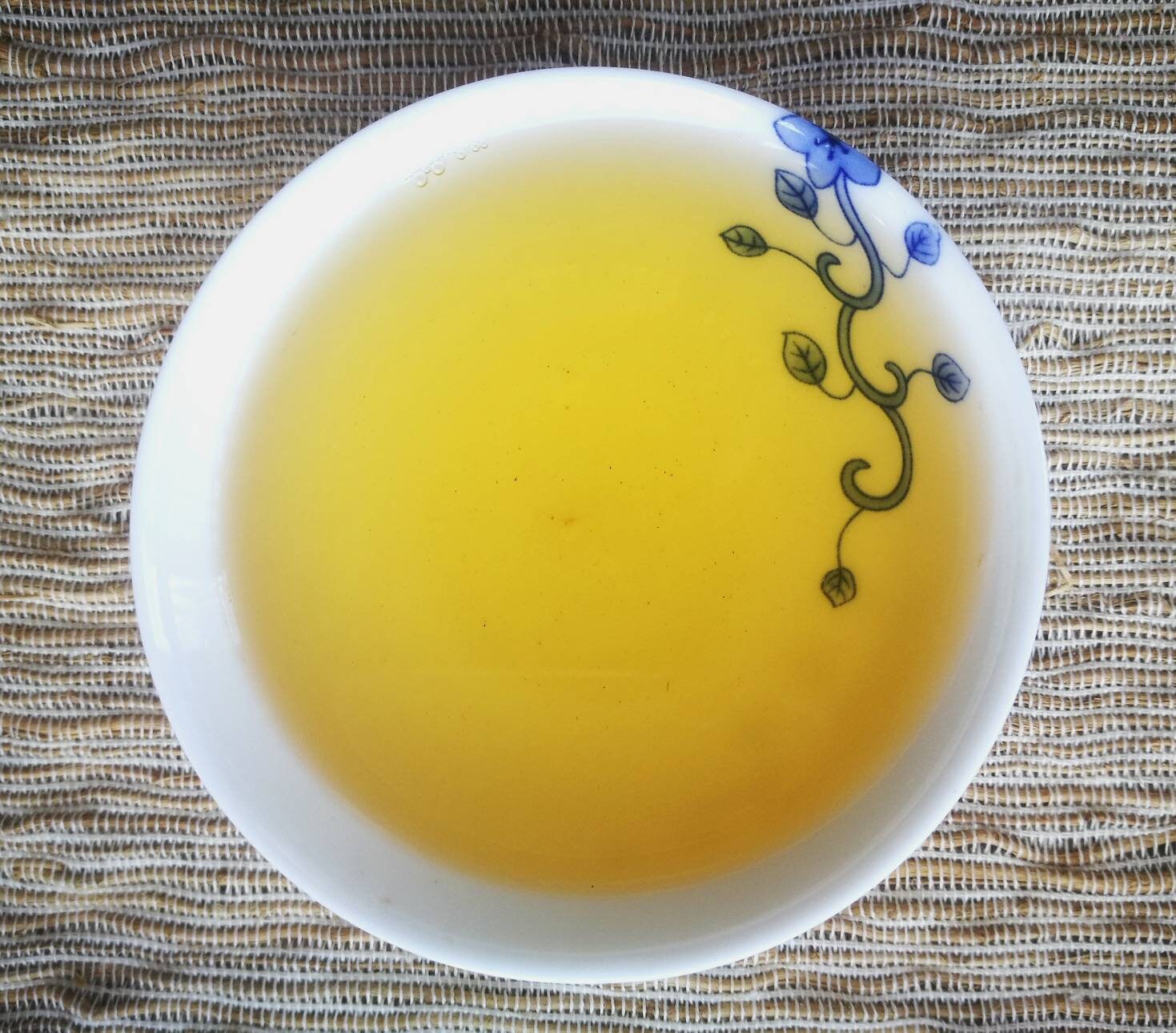
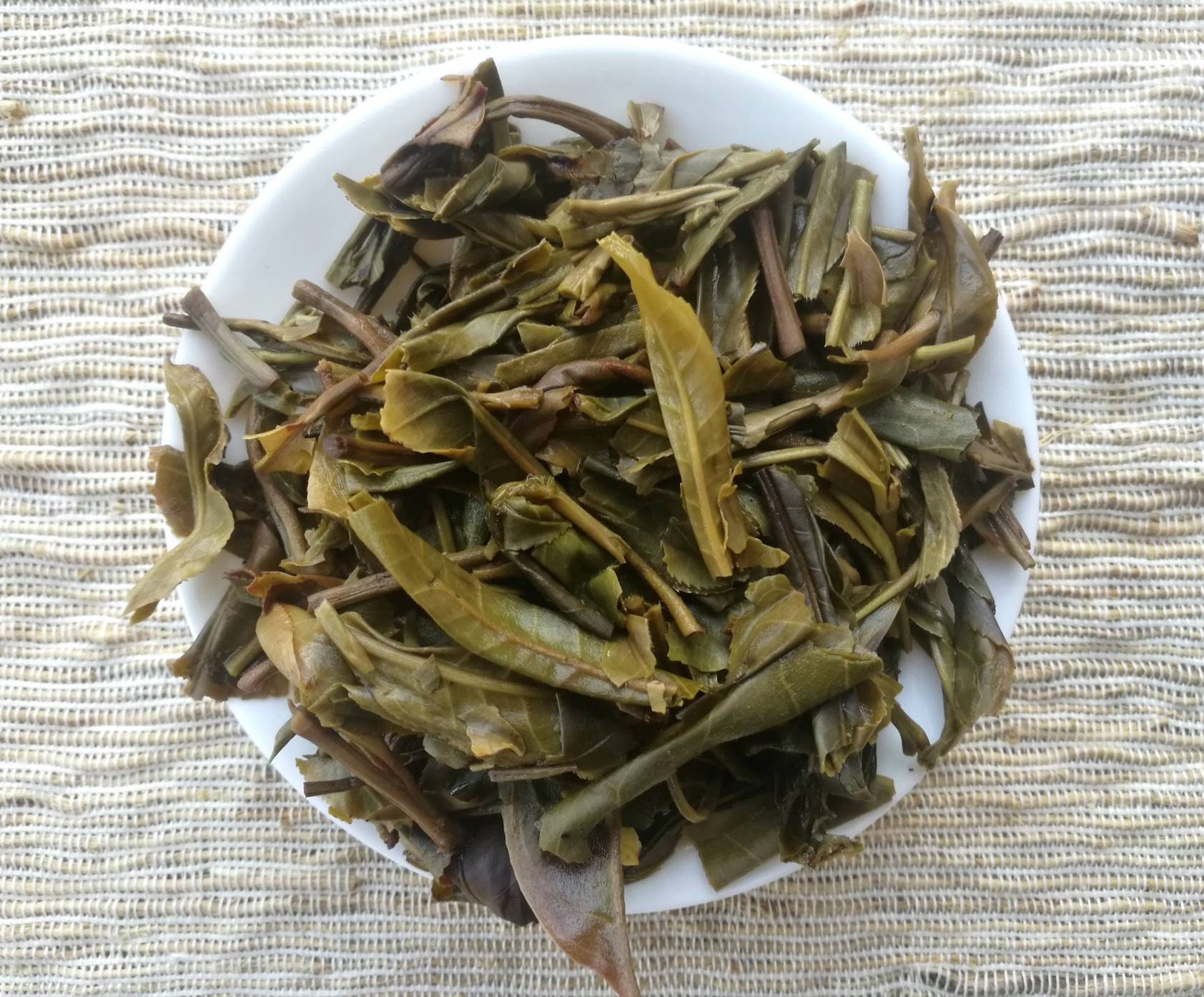
The broth is a clear, bright mid-yellow. The spent leaves look nice enough: a nice even colour and size.
2026 Update:
$98.00
In stock
About Agrochemicals
I do not get all my teas routinely tested for agro-chemicals. I am extremely careful about which gardens I source from: tea gardens that are in a diverse, natural environment where there is no need for the use of agro-chemicals and which I am confident are all free of herbicide and pesticide traces.
In recent years anthraquinone in tea has become a talking point. I do not generally test tea for anthraquinone and, whilst I try my best to minimise the potential for it, I do not prioritise that over other factors. You can read more here.
Related products
-
Nan Nuo Shan Spring 2020 Selected ‘qiao mu’, Raw Puer Tea, 200g Cake
$40.00 -

Nan Nuo Shan Spring 2020 ‘qiao mu’, Raw Puer Tea, 200g Cake
$40.00 -
Wa Long ‘Guo You Lin’, Early Spring 2018 Old and Ancient Tree Raw Puer 200g cake
$178.00 -
Meng Song, Early Spring 2019, Ancient Tree Raw Puer Tea, 200g cake
$88.00