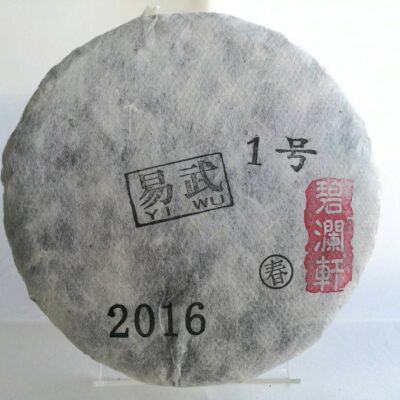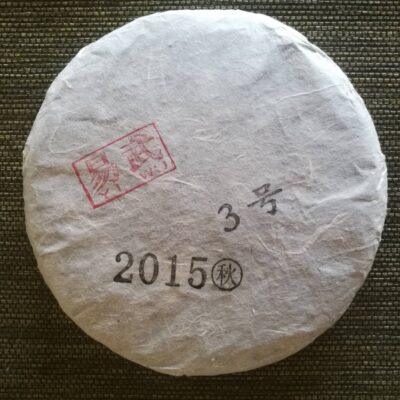
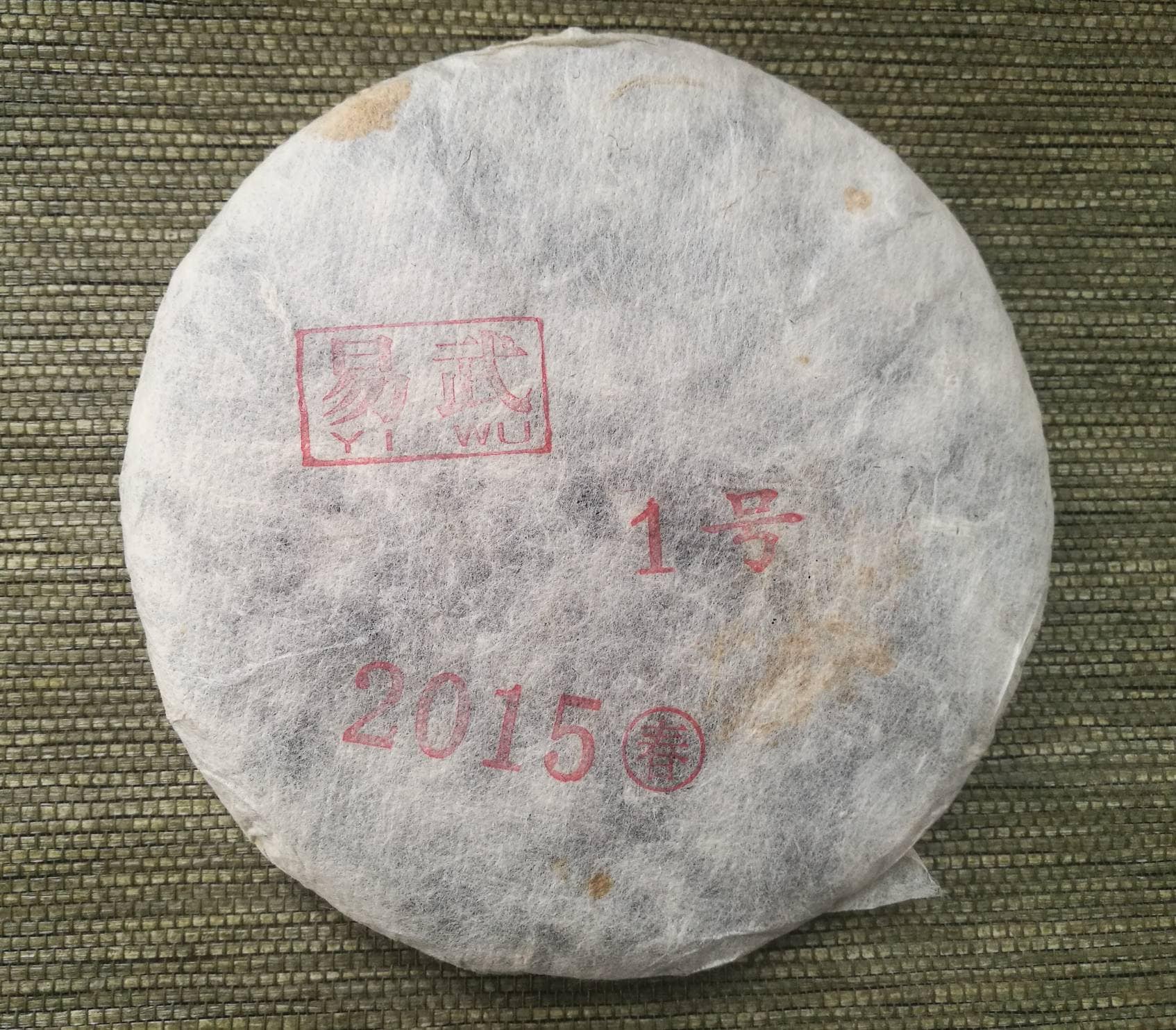
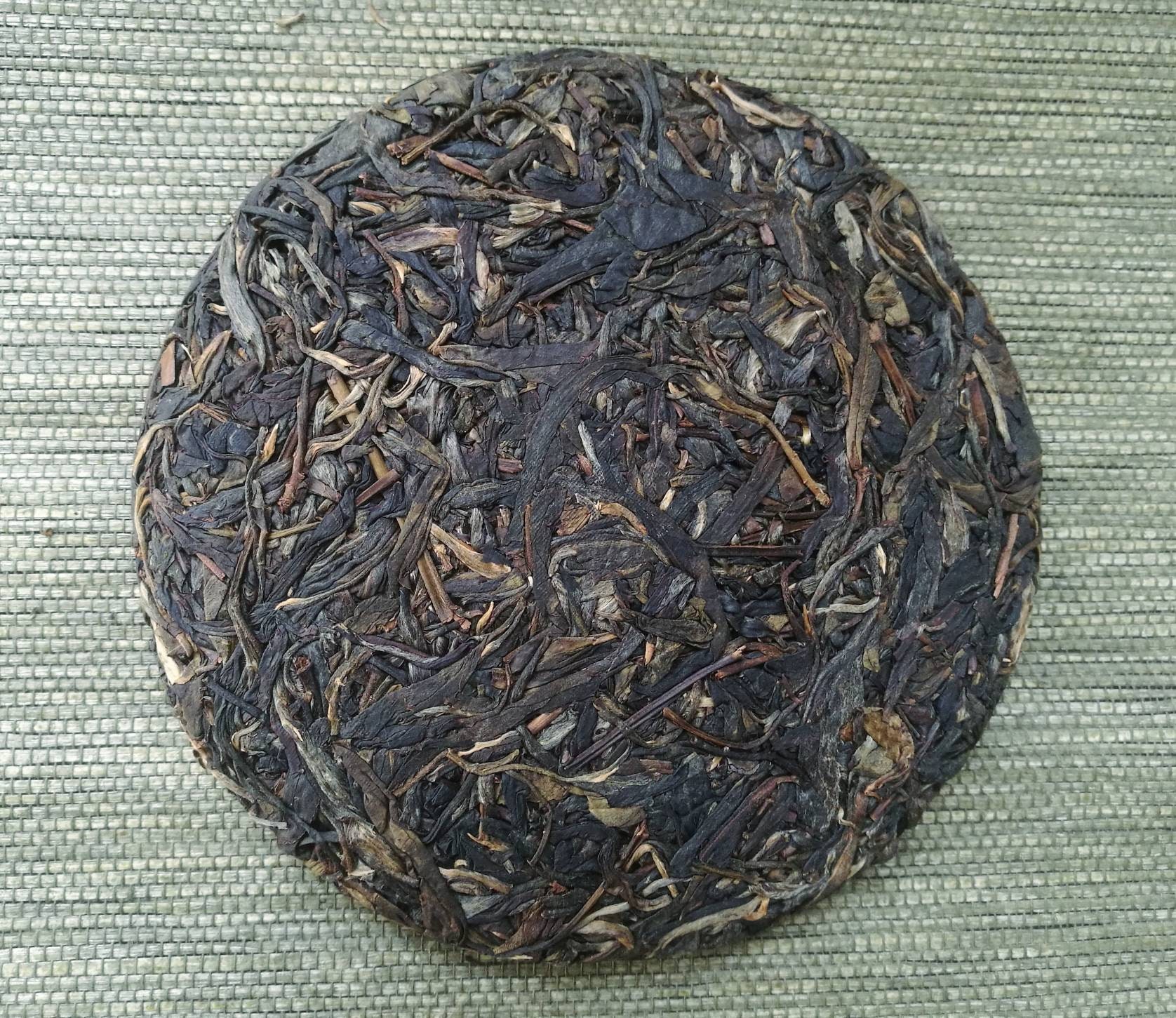
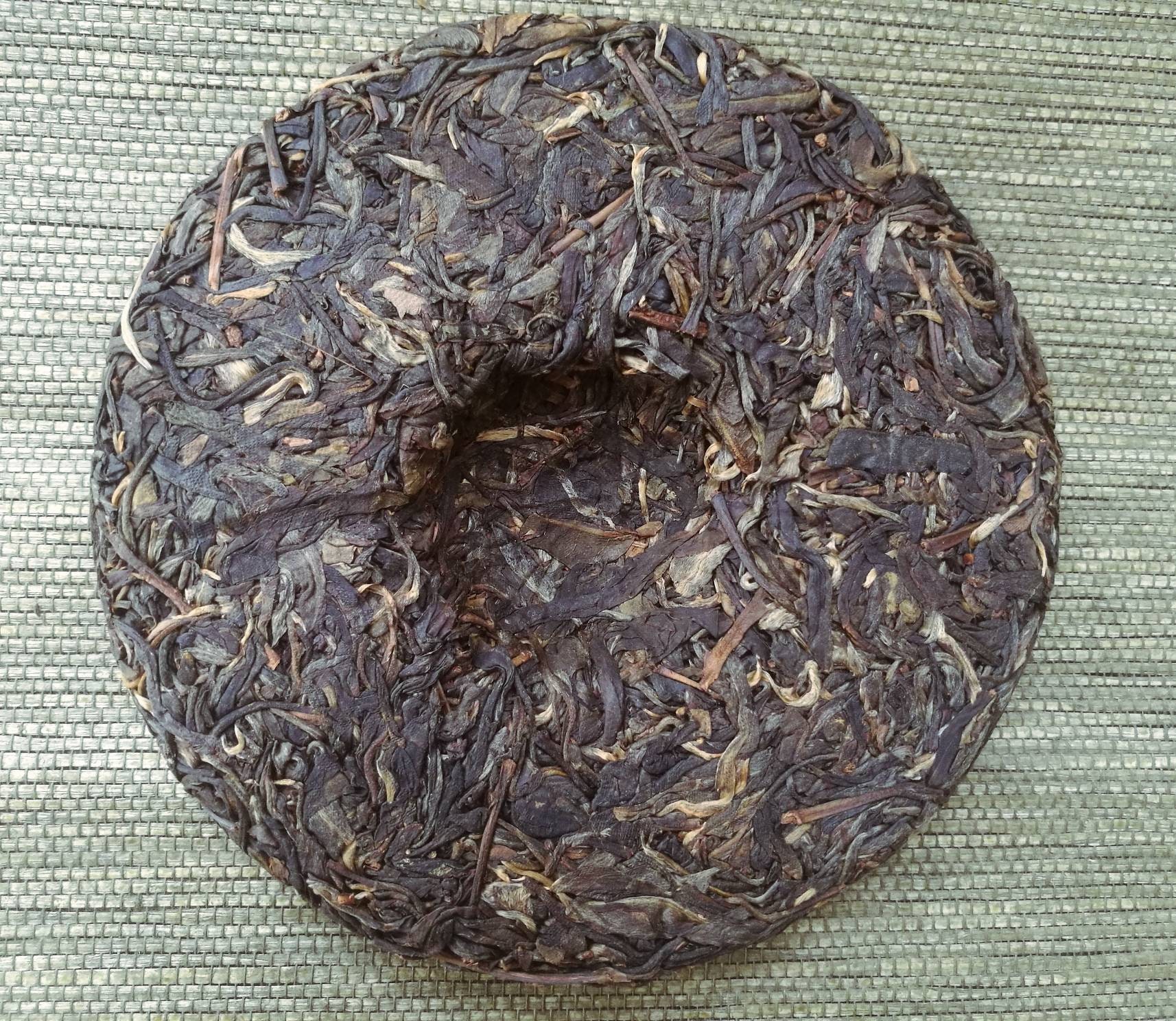
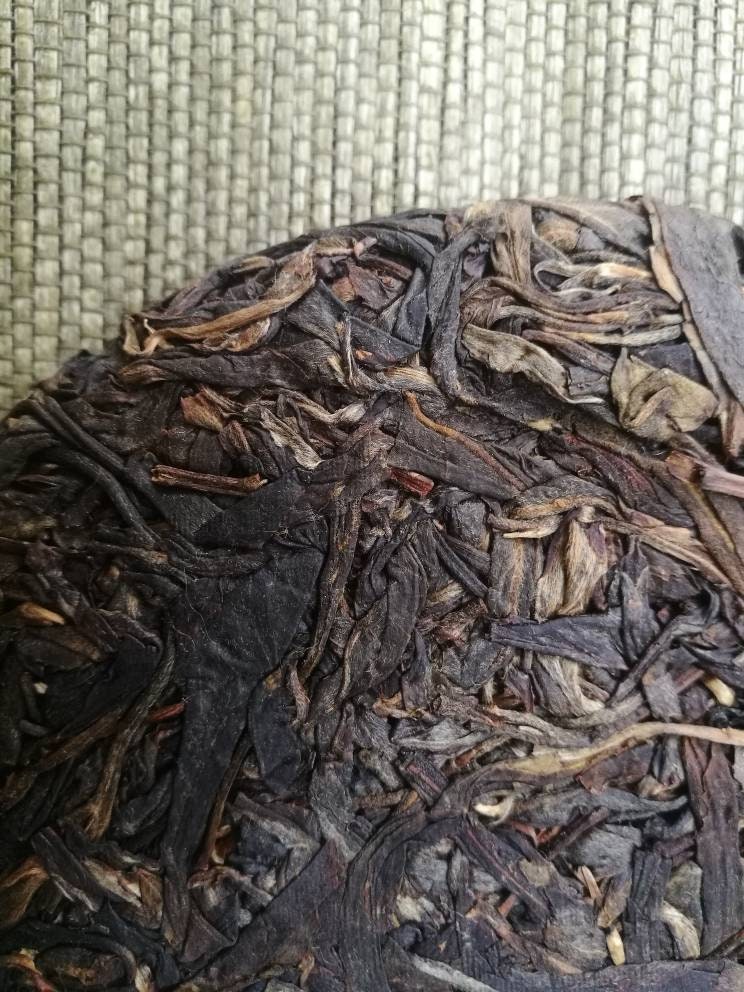
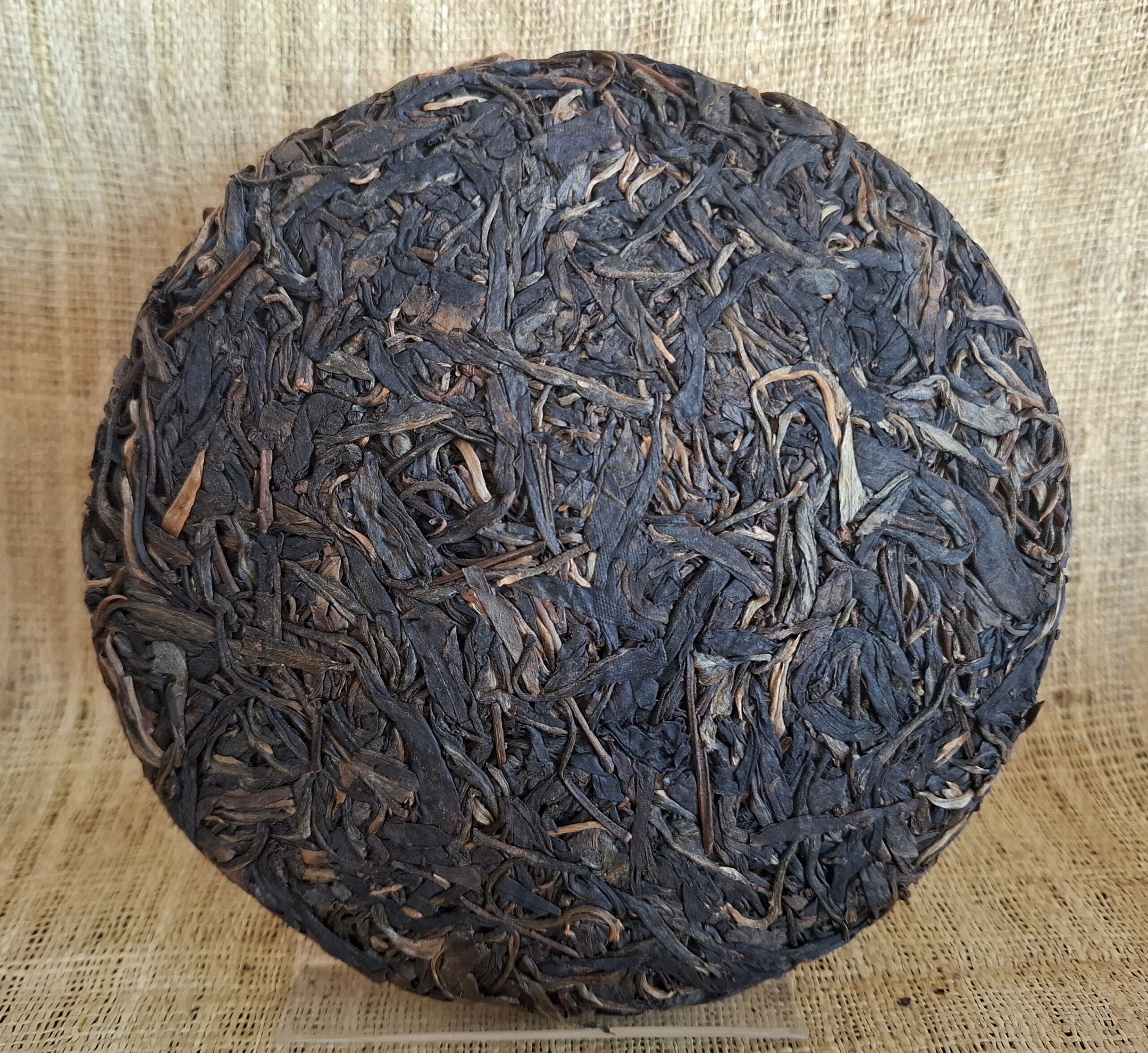
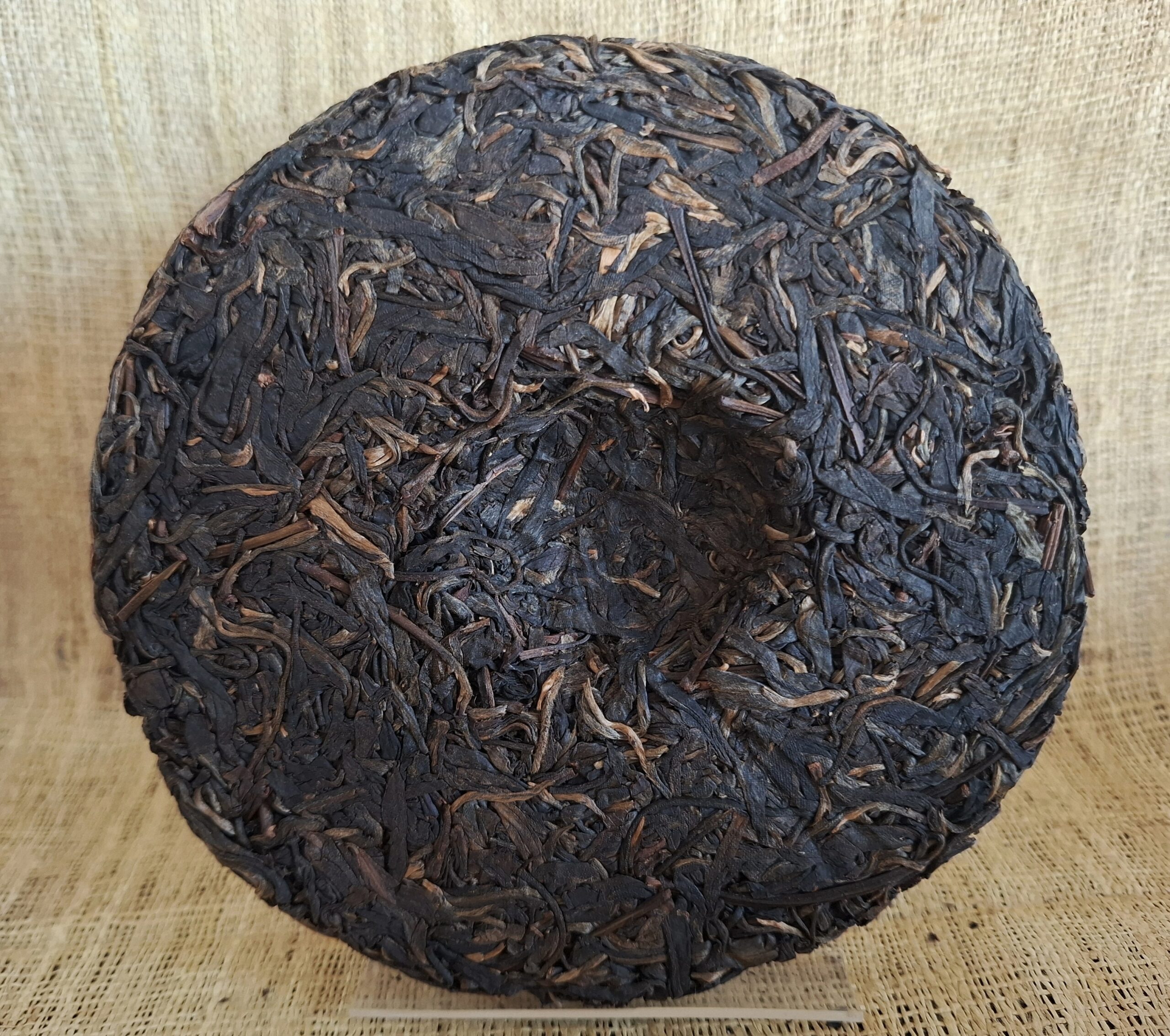
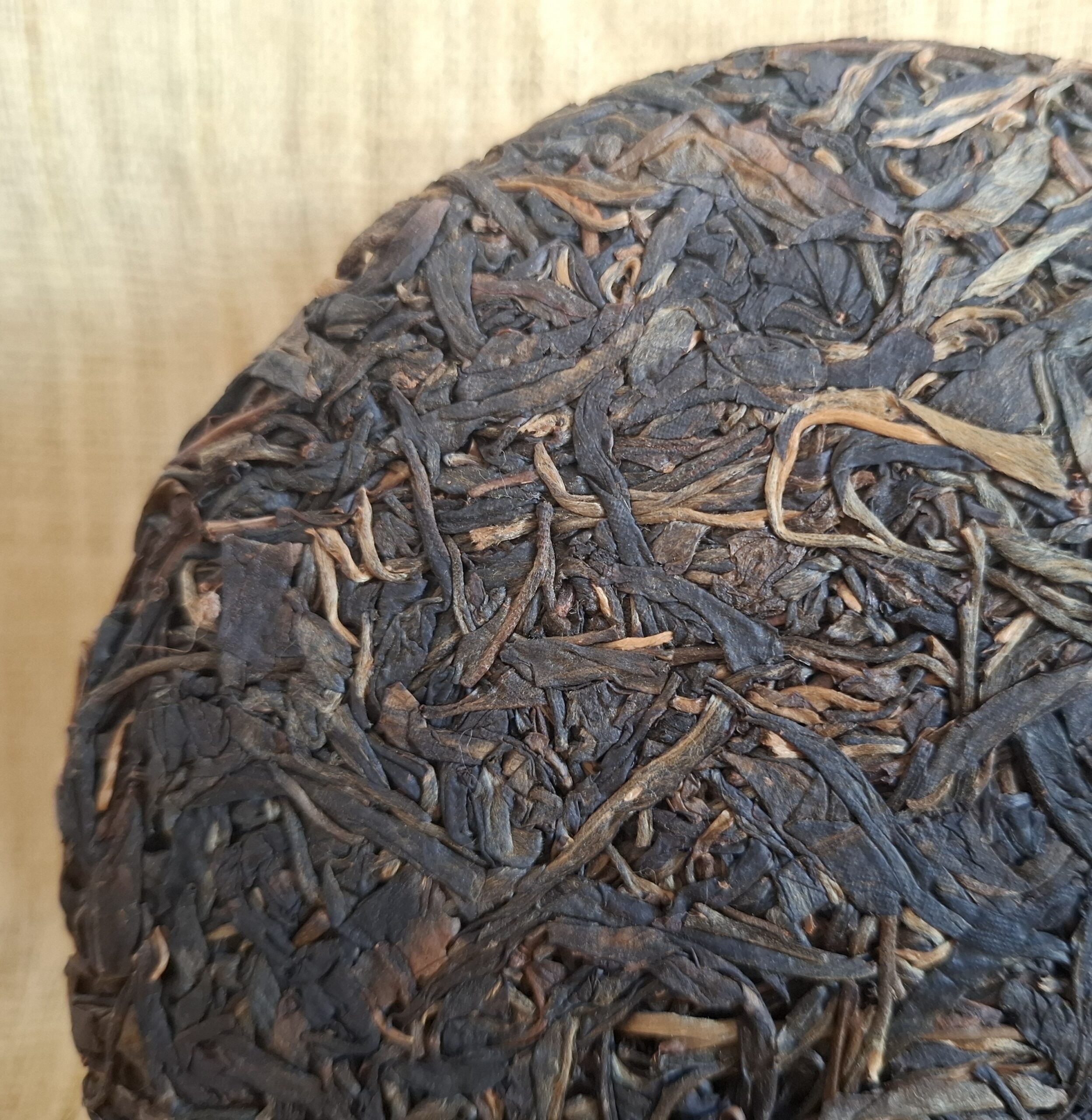
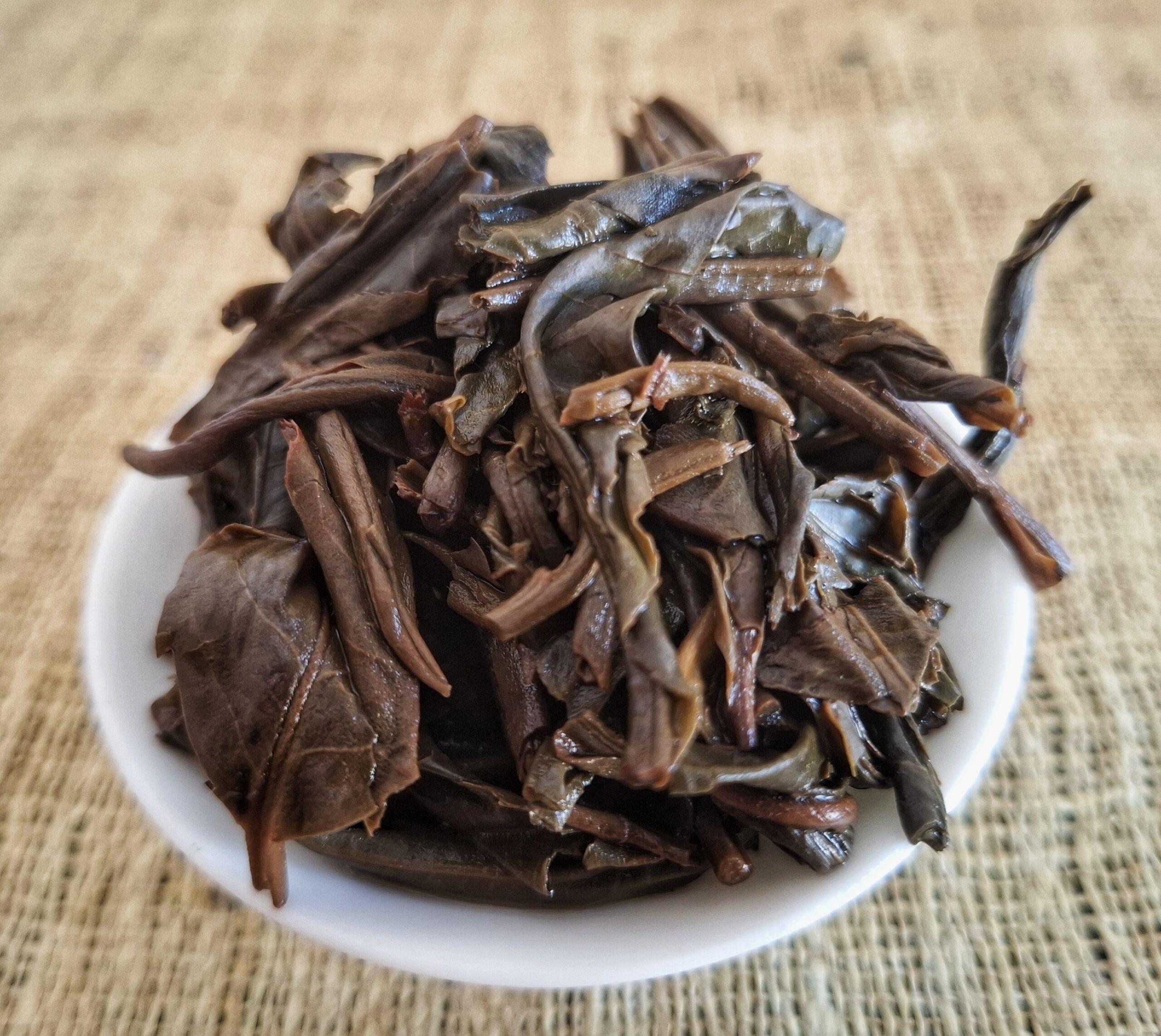
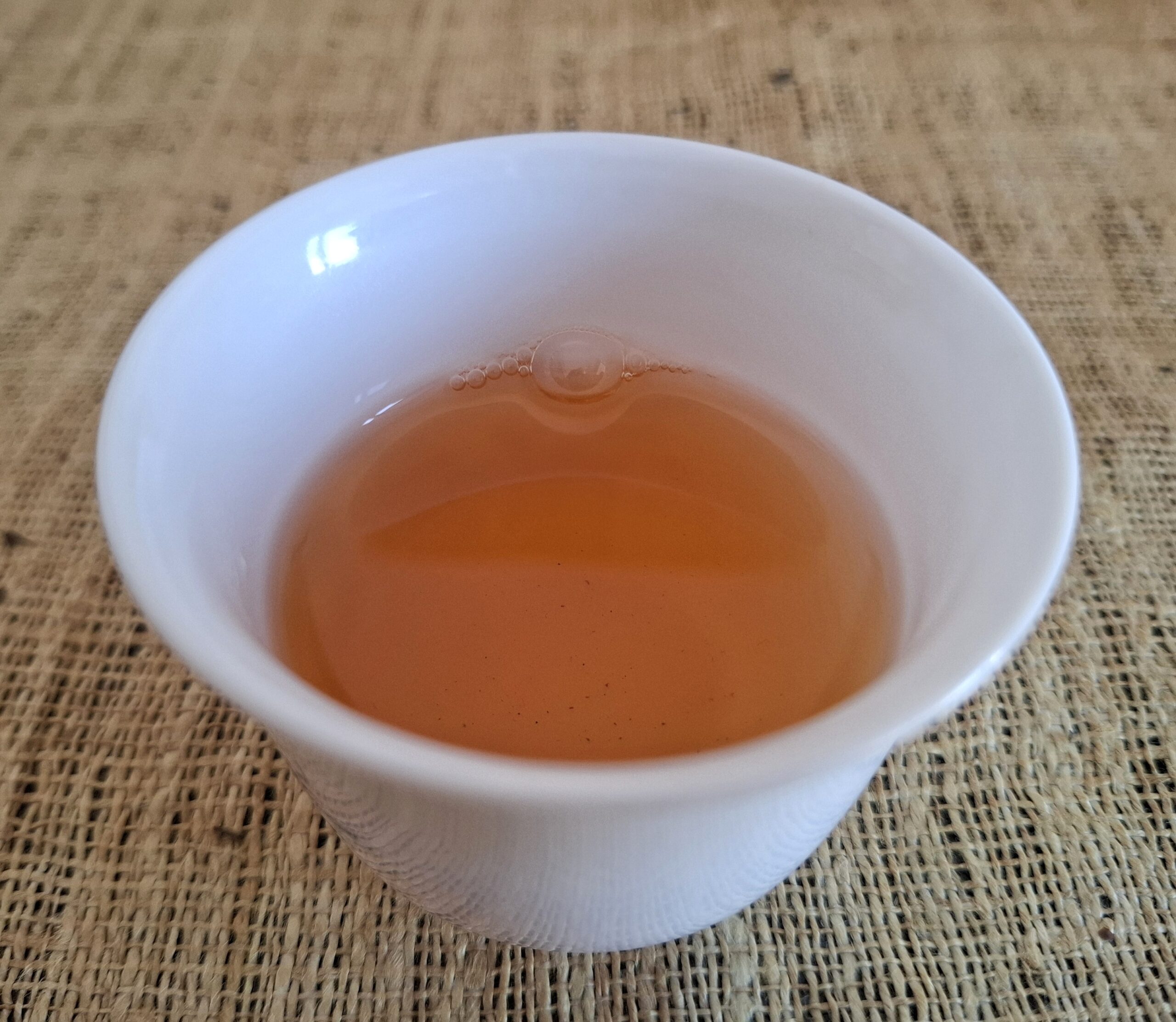
Raw Puer Tea, Yiwu No 1 (Man Sa), Spring 2015, Old Tea Tree, 200g cake
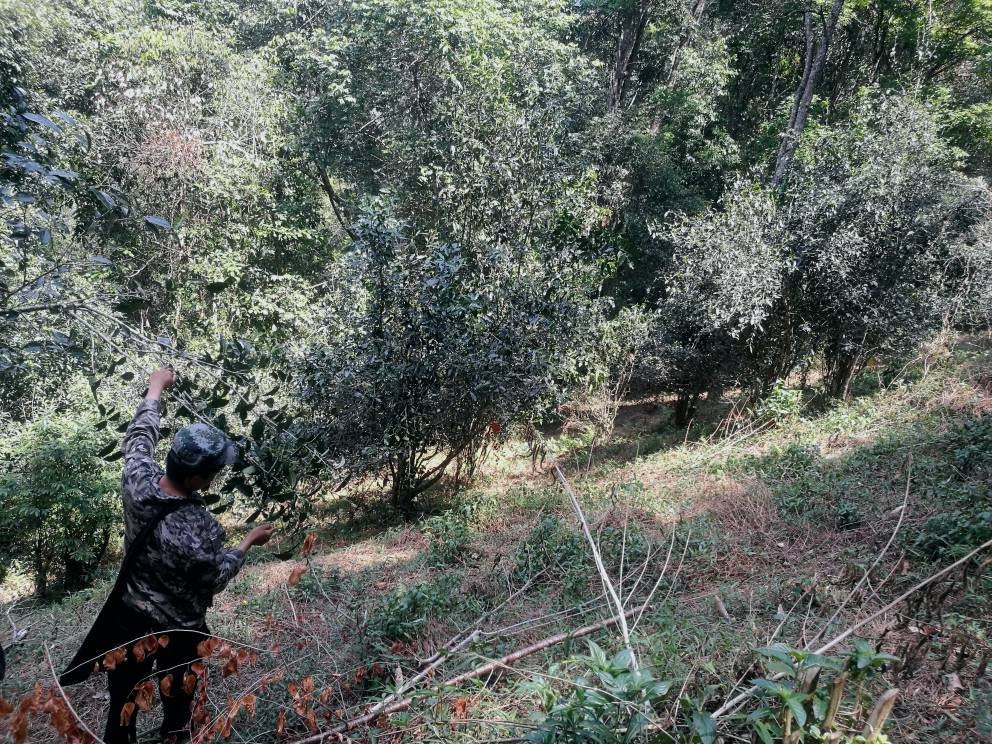
This is a tea from the same small tea garden in the Man Sa area that the 2016/17 teas come from, that I've been keeping to see how it ages. The tea garden is in the middle of forest at an altitude of around 1400 metres. It takes around an hour on foot to access the tea gardens.
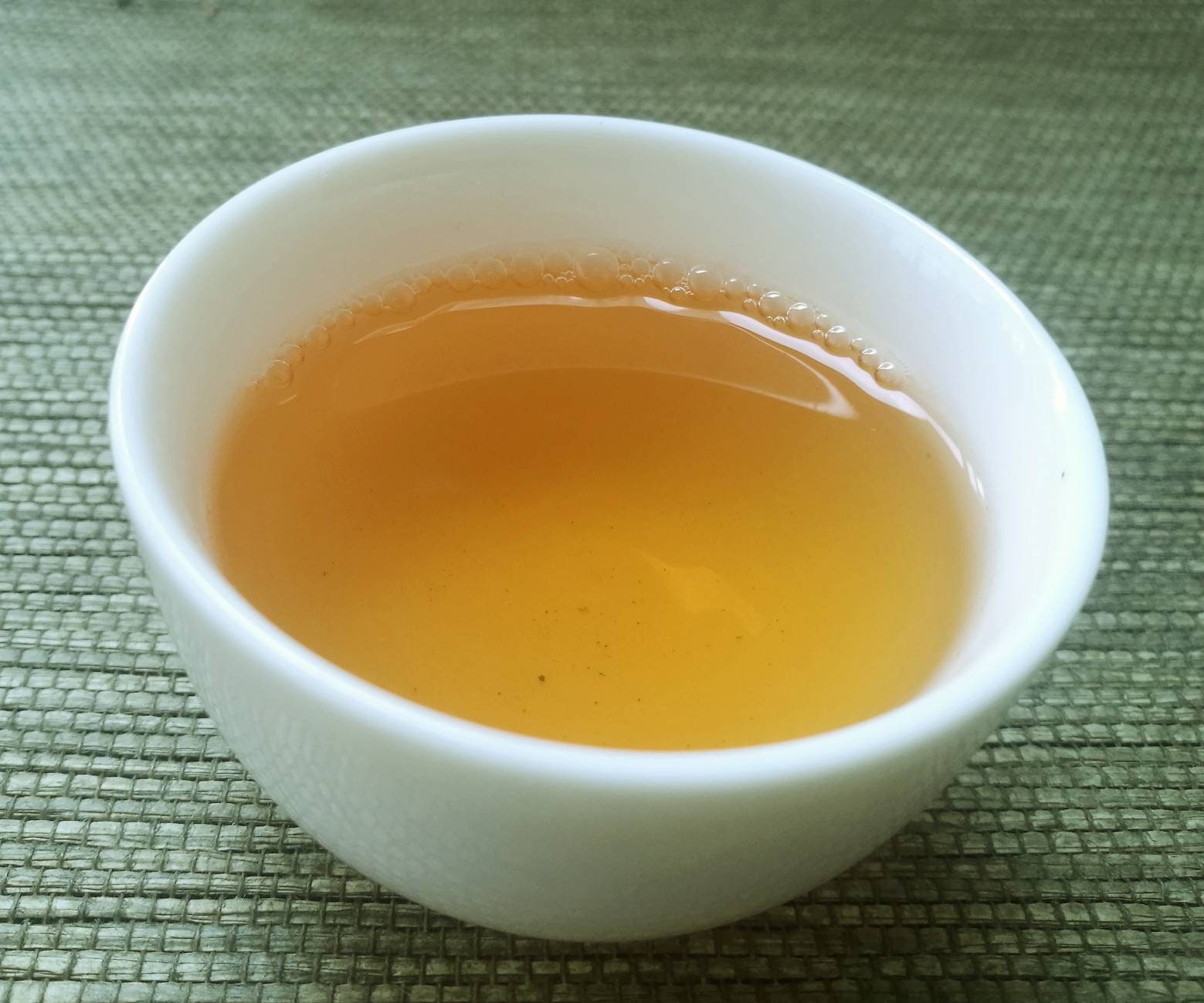
The tea is ageing well. It retains the floral fruitiness of the young tea but is beginning to develop some 'chen wei'. It's currently more mellow having been through a year or so when it had some marked astringence. The broth is smooth but if later steepings are pushed it still produces a little dryness, but has little bitterness.
It has a decent 'huigan' and 'hou yun' which is slow to appear but lasts well.
2026 Update:
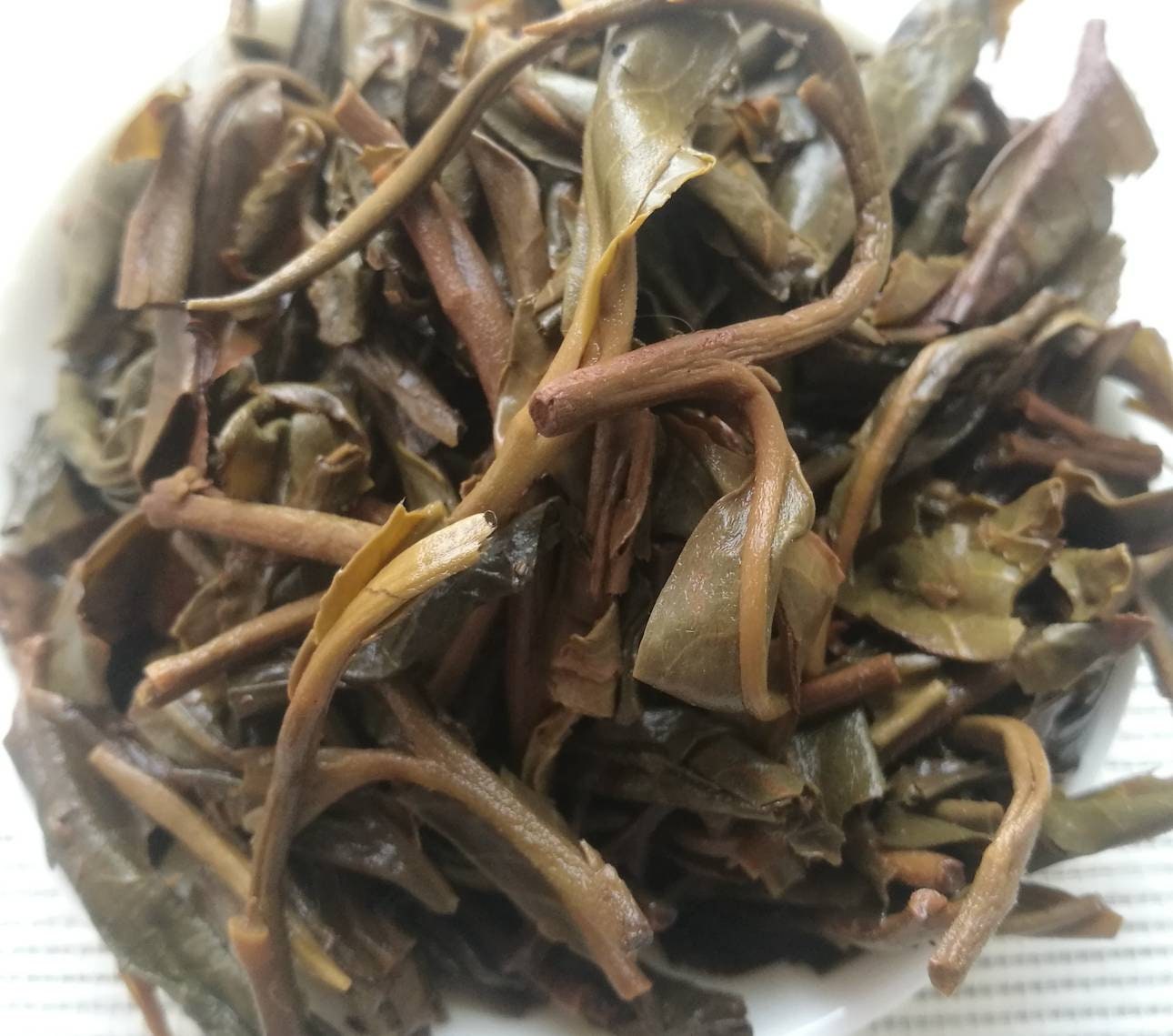
At the beginning of the year, the tea is now just over 10 years old. It's developed some interesting aromas - an almost meaty/savoury note, but predominantly woody, with hints of linseed or shellac maybe, and a cooling note. The gaiwan lid has hints of red berries and a slight floral note along with some fruitiness and a hint of licorice. The kou gan is OK -quite smooth and oily but with some granular texture. It still has a little astringency and some bitterness which transforms quickly. It has some sheng jin which is not particularly up front but is persistent. A little dryness maybe in some steeps on the tongue and upper palate. The thickness is decent and there's a woody-sweet hou yun. Overall a very decent tea at this stage.
Recent photos appear after the tea garden picture.
Please be aware that raw Puer tea is in a continual process of change - over time, with the seasons, and the weather, as it oxidizes and ferments - so descriptions of teas (and the accompanying photos) are a snapshot of a certain moment in time. I try to make sure descriptions are simple yet accurate and give a feel for how the tea was experienced at the time of tasting.
$90.00
In stock
About Agrochemicals
I do not get all my teas routinely tested for agro-chemicals. I am extremely careful about which gardens I source from: tea gardens that are in a diverse, natural environment where there is no need for the use of agro-chemicals and which I am confident are all free of herbicide and pesticide traces.
In recent years anthraquinone in tea has become a talking point. I do not generally test tea for anthraquinone and, whilst I try my best to minimise the potential for it, I do not prioritise that over other factors. You can read more here.