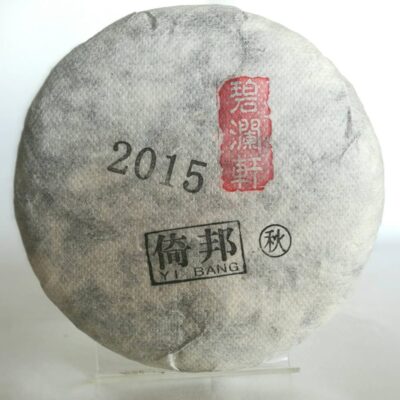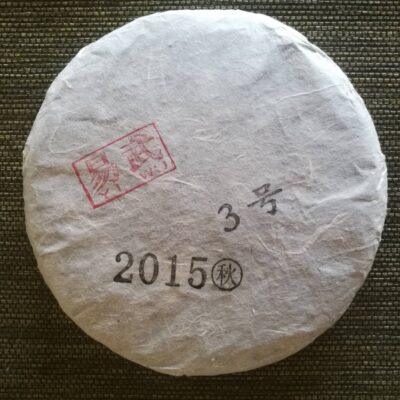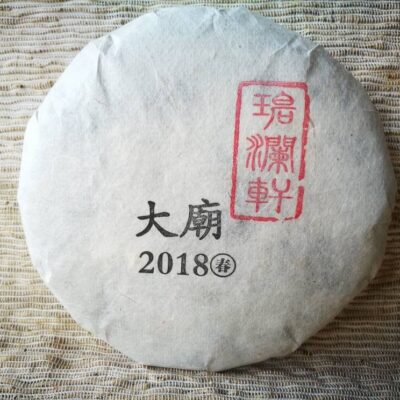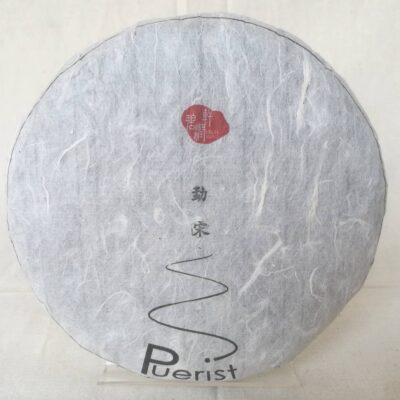
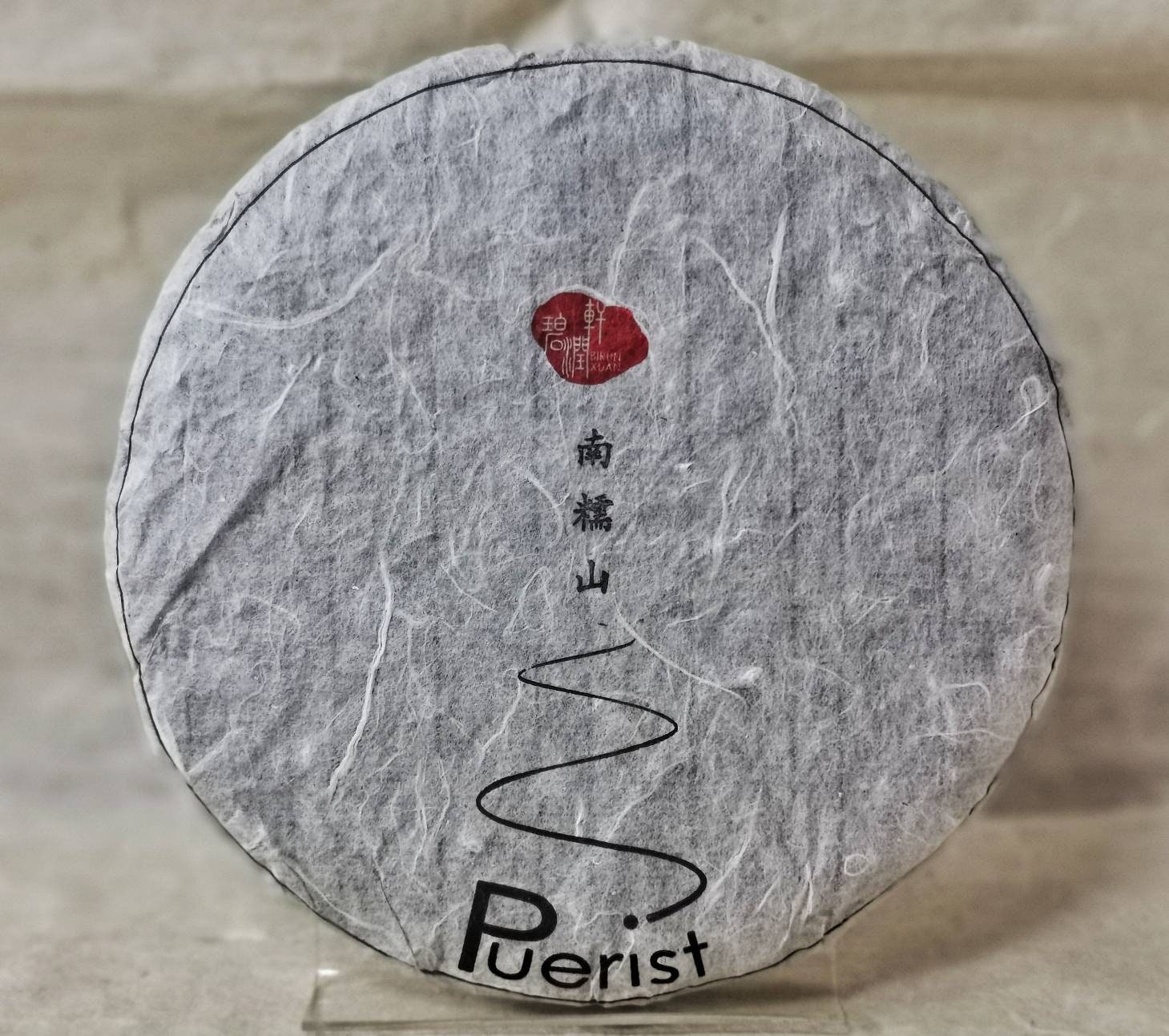
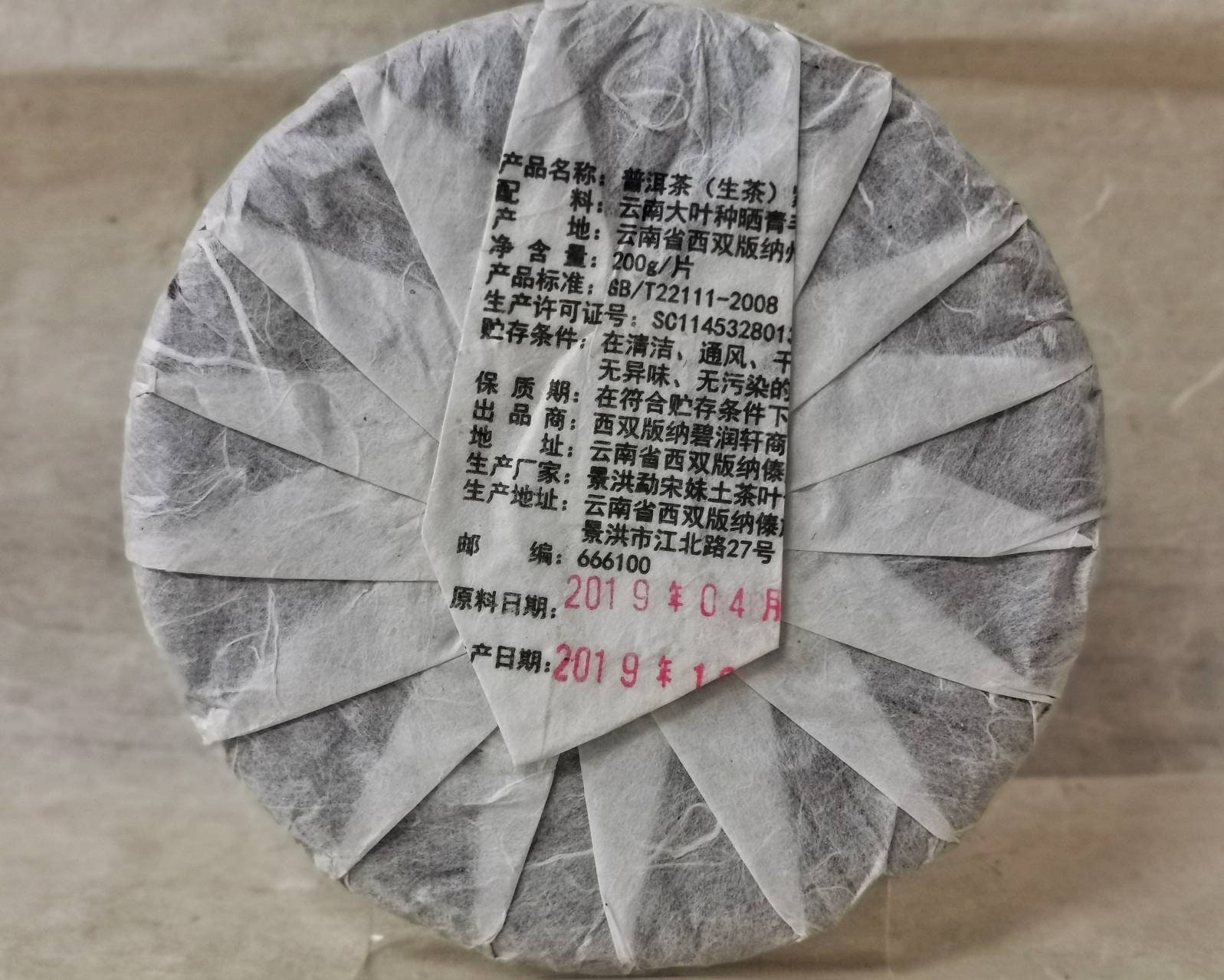
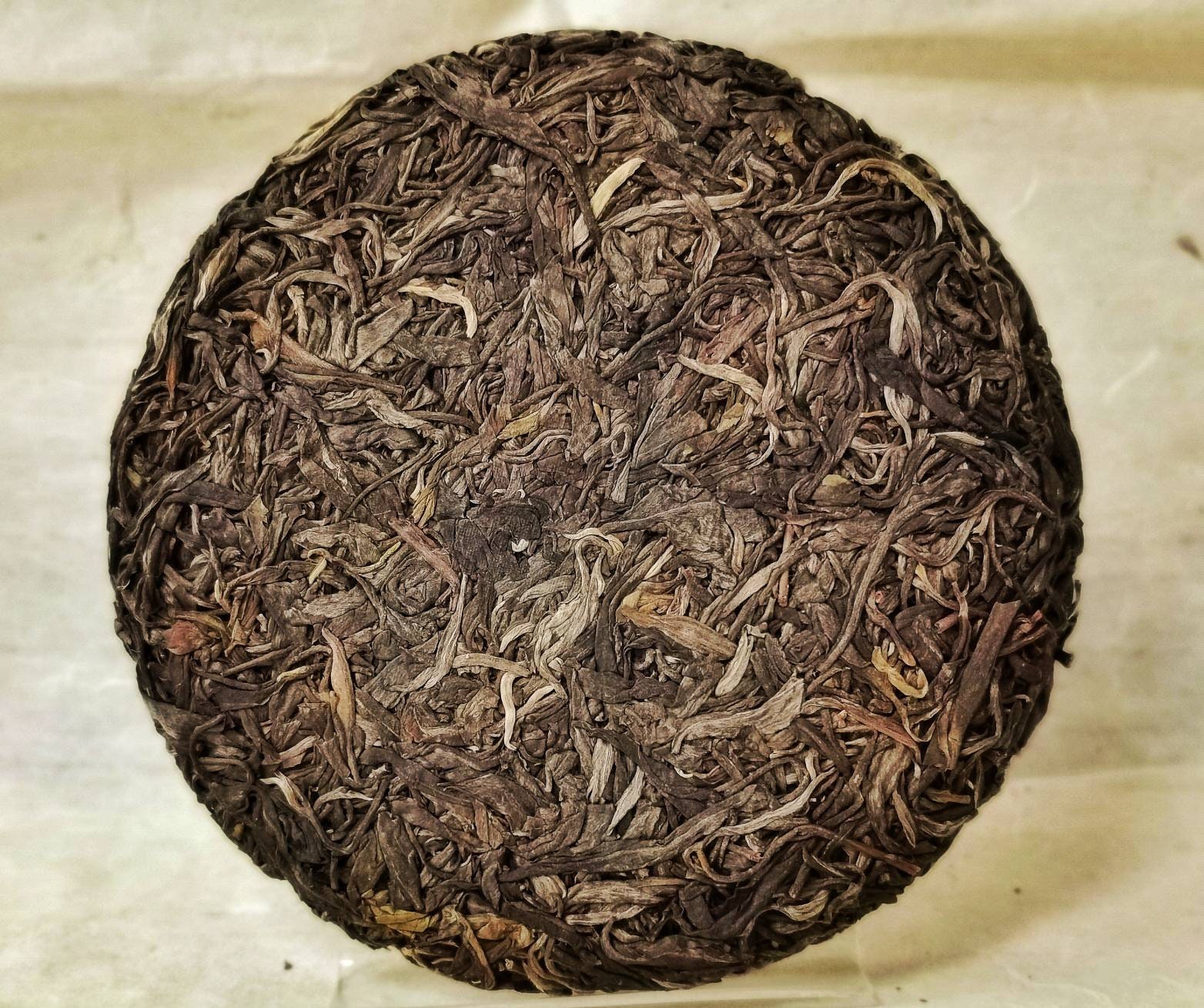
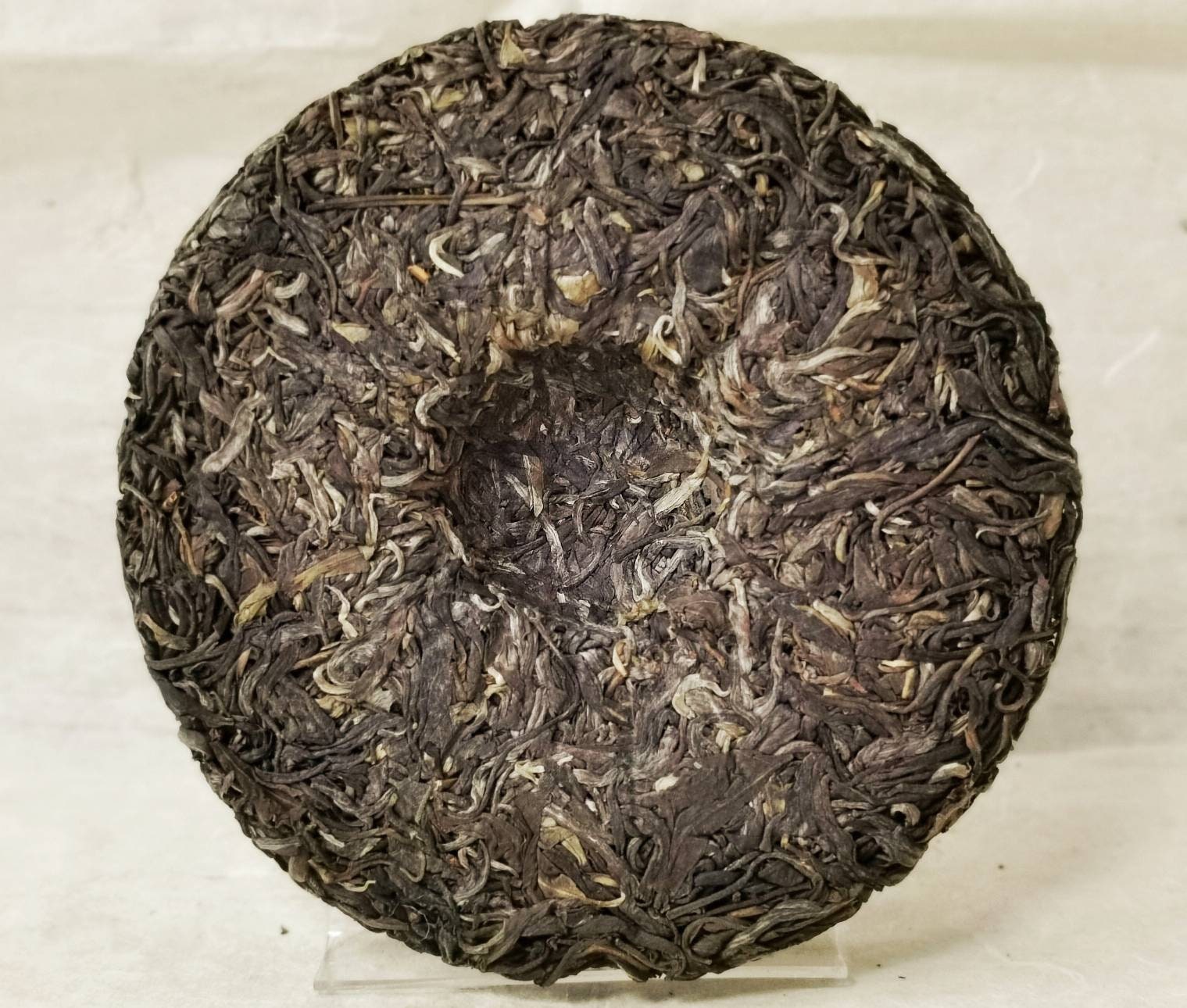
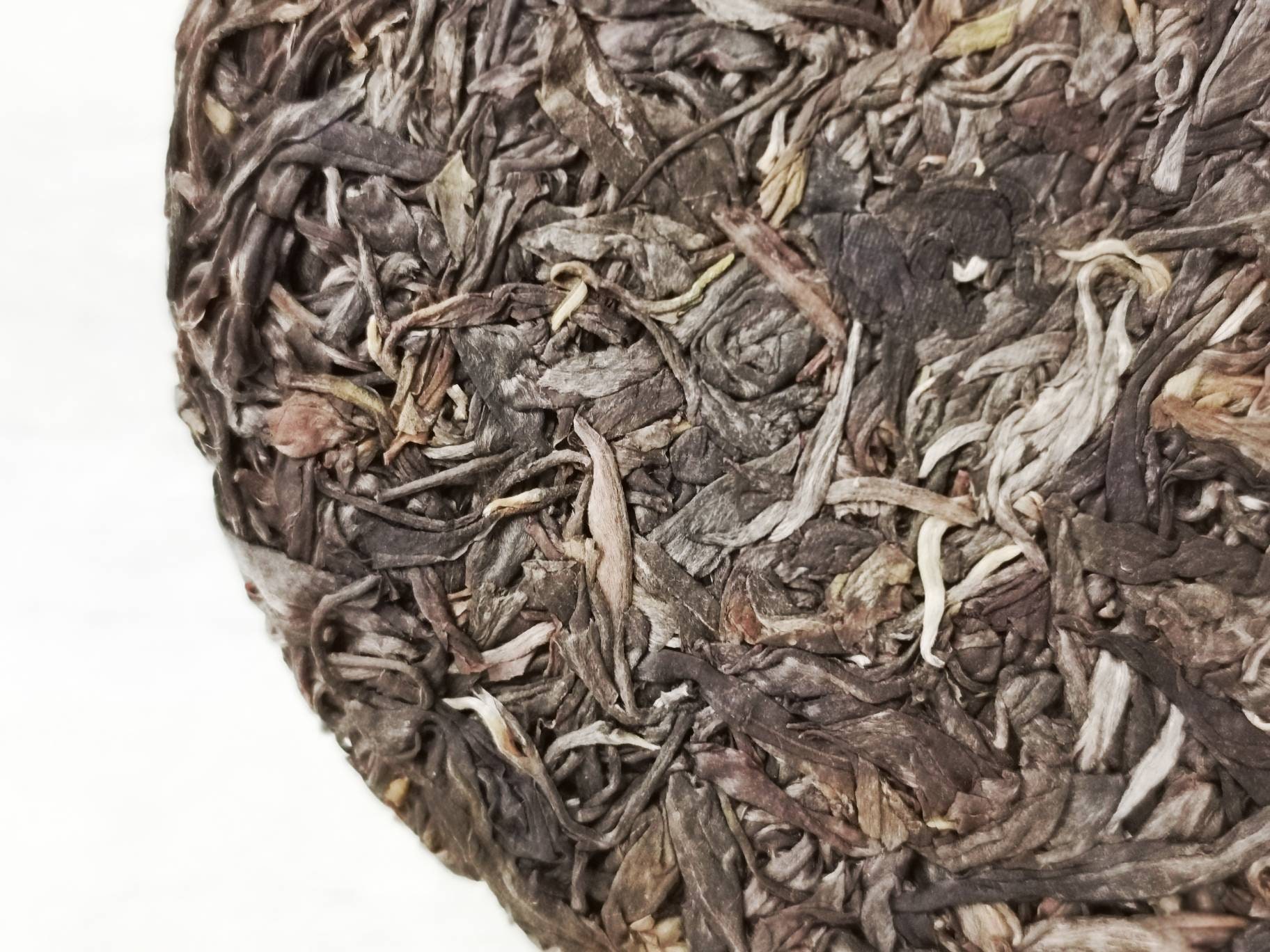
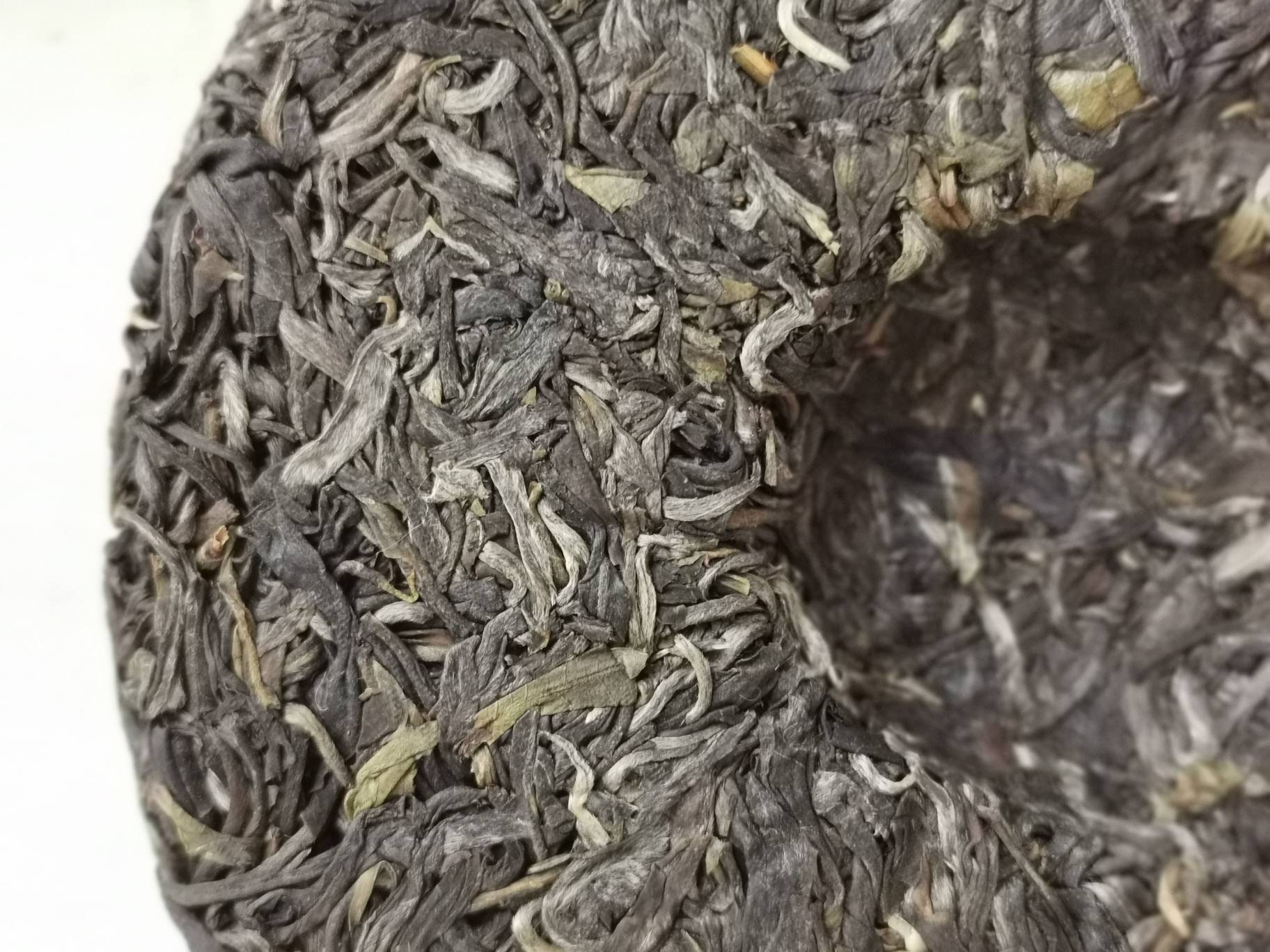
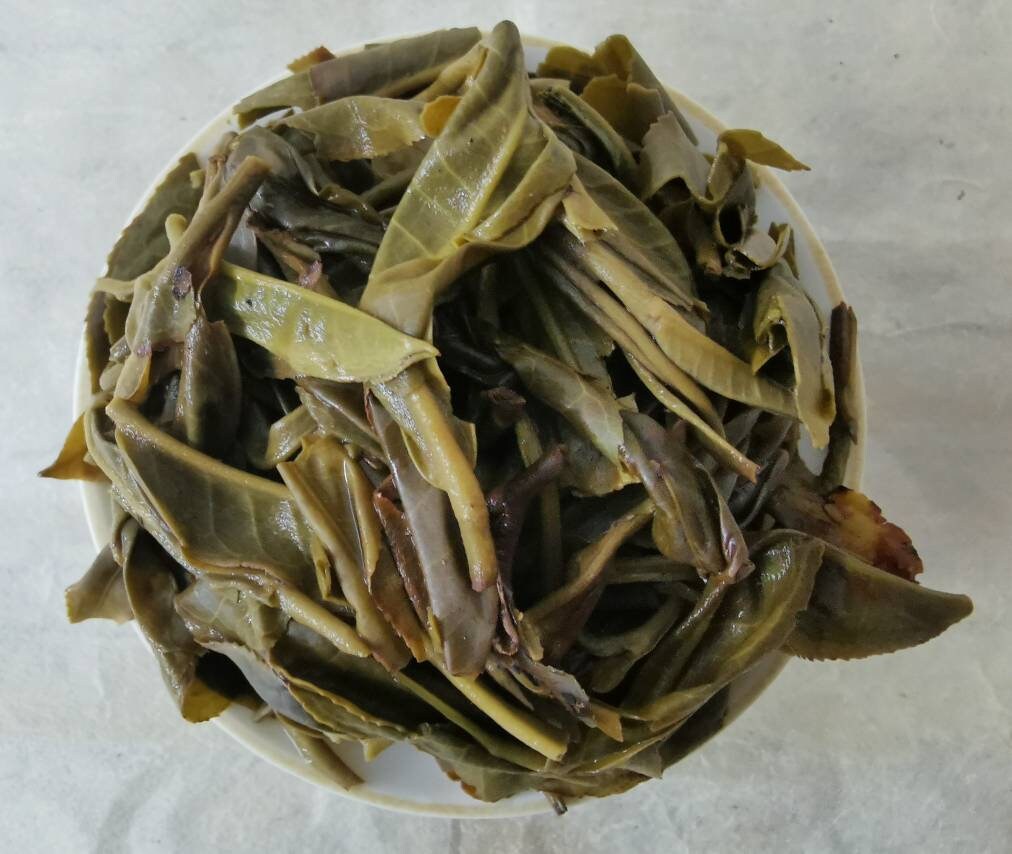
Nan Nuo Shan Spring 2019 Selected ‘qiao mu’, Raw Puer Tea, 200g Cake
From the same tea garden on Nan Nuo Shan as the other Nan Nuo teas.
The trees don't qualify as 'da shu' or old tea trees, but the tea has many of the qualities of old tree tea: some decent body and some 'hou yun'. This tea was made from selected, larger trees within the tea garden.
I've been storing the tea since pressing in autumn 2019 and have only recently tasted it, so these tasting notes are for the two year old tea.
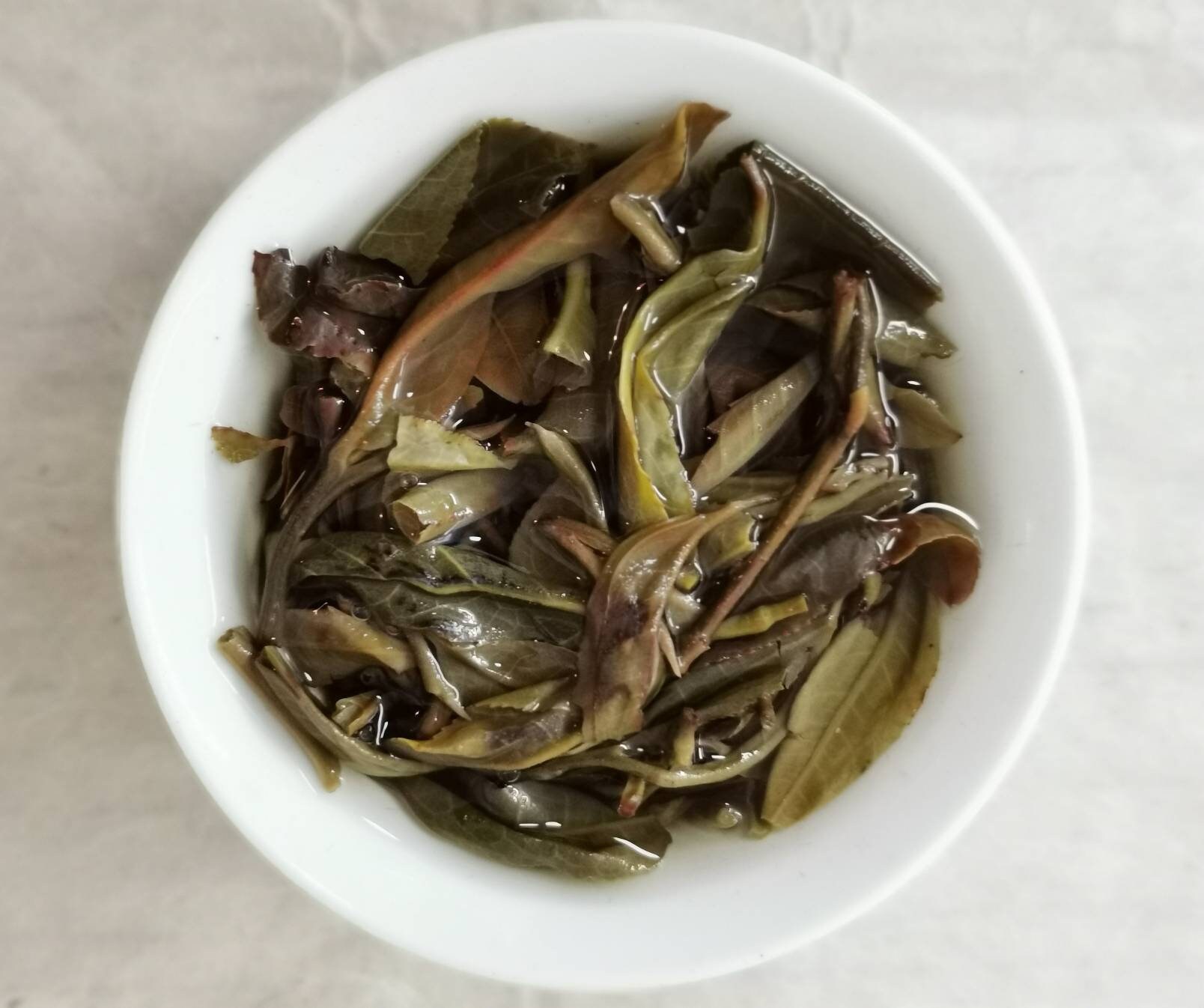
The wet leaves have an initial mushroomy/fermented aroma which after a few sleeps turns more to tobacco/wood/floral/petrichore.
The 'bei xiang' is honey/citrus/floral. The fragrance in the broth has notes of petrichore then herbs/tobacco.
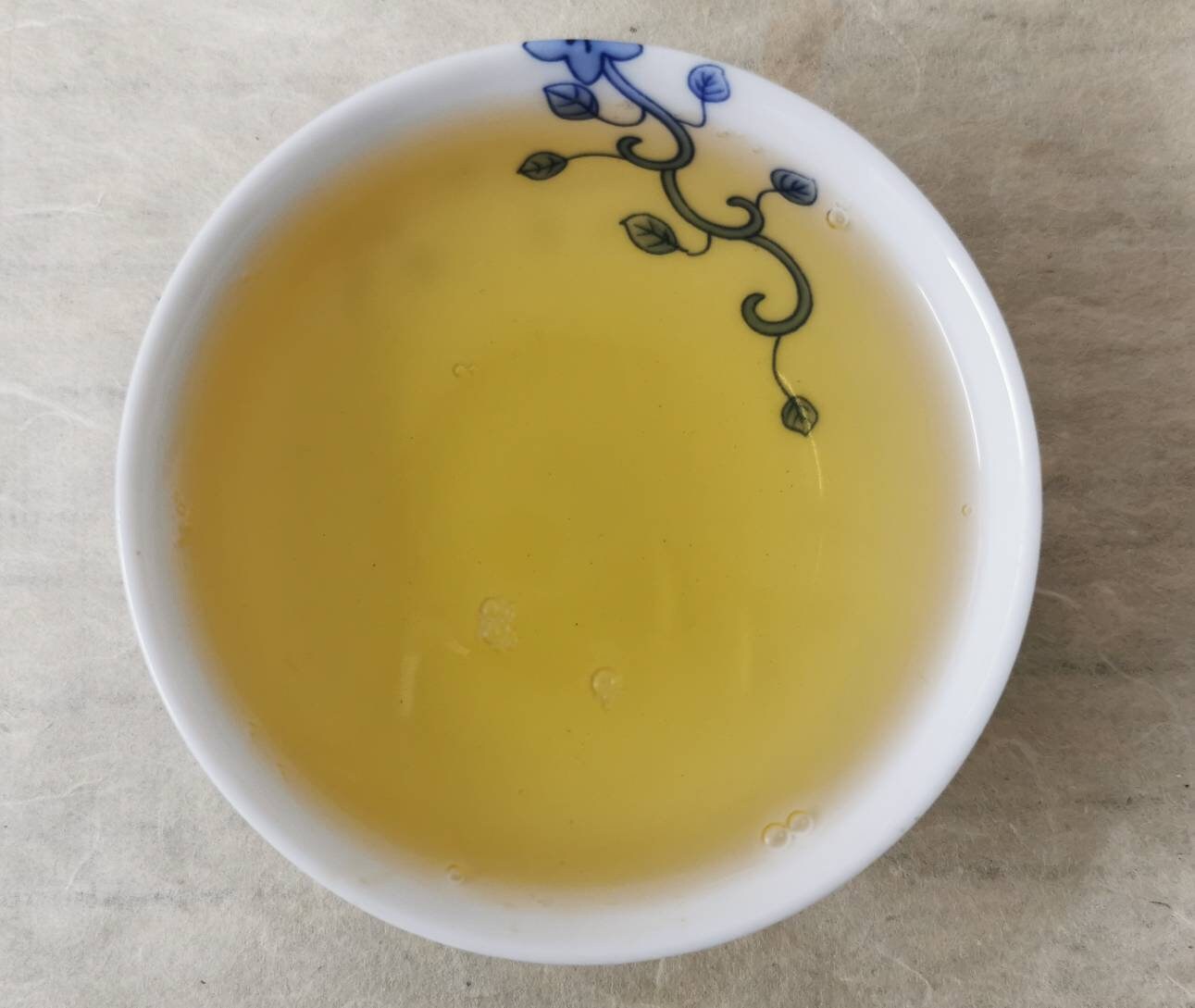
The broth is a bright, clear mid-yellow.
The 'ru kou',like earlier years is quite full and bullish. The 'kou gan' is not bad: quite full, fairly smooth with a bit of dryness on upper palate.
The flavour is quite fulsome, with enough depth and a gentle bitterness accompanied by a slight cooling sensation in the mouth.
The aftertaste is sweet, both in the mouth and throat and there is some discernible 'sheng jin'.
The tea was processed by the same tea farmer who has made the Ban Po ancient tree teas. Pressed in 200g cakes.
I keep returning to this tea garden/tea farmer as I feel it's not easy to find a tea with these qualities at this kind of price and believe it continues to offer excellent value.
Unless stated otherwise, all my Puer teas are hand picked, fired and rolled. They are then sun dried. Cakes are stone pressed.
Please be aware that raw Puer tea is in a continual process of change - over time, with the seasons, and the weather, as it oxidised and ferments - so descriptions of teas (and the accompanying photos) are a snapshot of a certain moment in time. I try to make sure descriptions are simple yet accurate and give a feel for how the tea was experienced at the time of tasting.
$40.00
In stock
About Agrochemicals
I do not get all my teas routinely tested for agro-chemicals. I am extremely careful about which gardens I source from: tea gardens that are in a diverse, natural environment where there is no need for the use of agro-chemicals and which I am confident are all free of herbicide and pesticide traces.
In recent years anthraquinone in tea has become a talking point. I do not generally test tea for anthraquinone and, whilst I try my best to minimise the potential for it, I do not prioritise that over other factors. You can read more here.