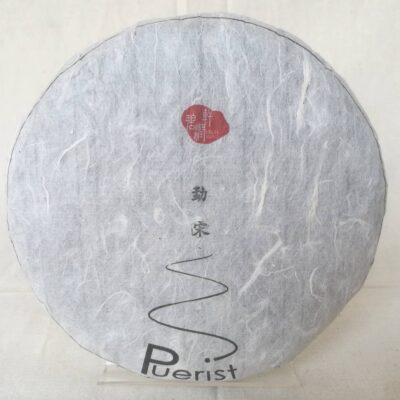
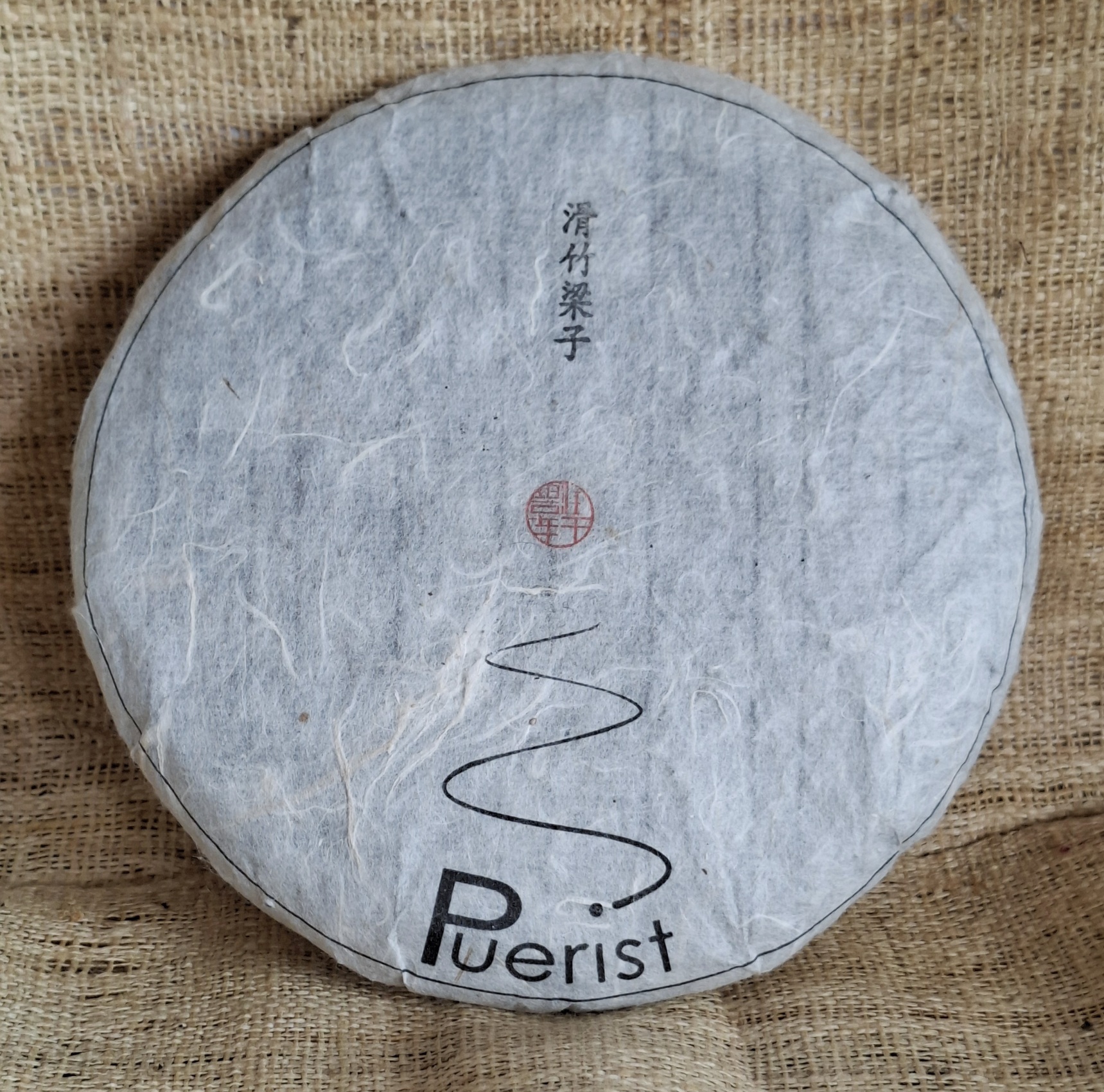
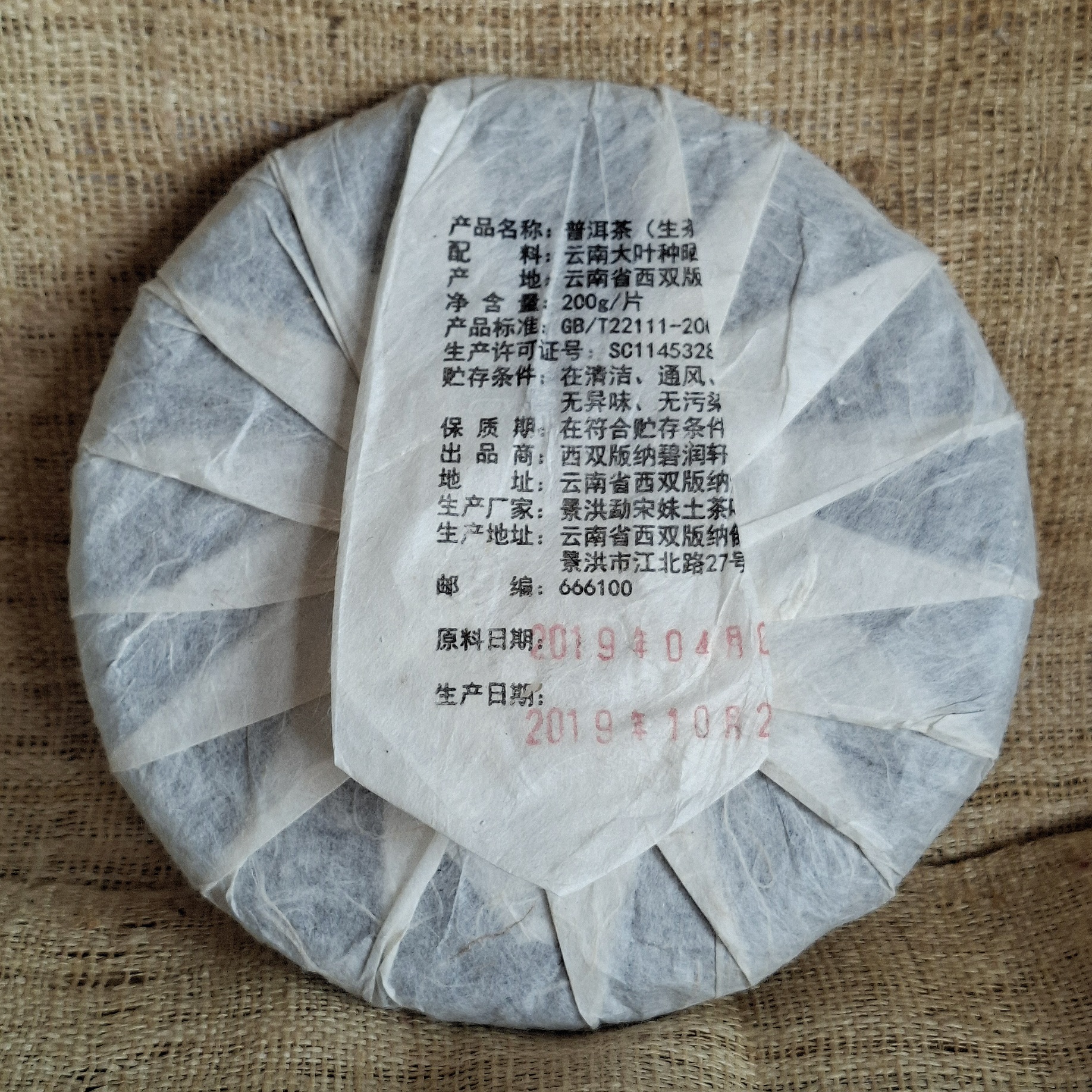
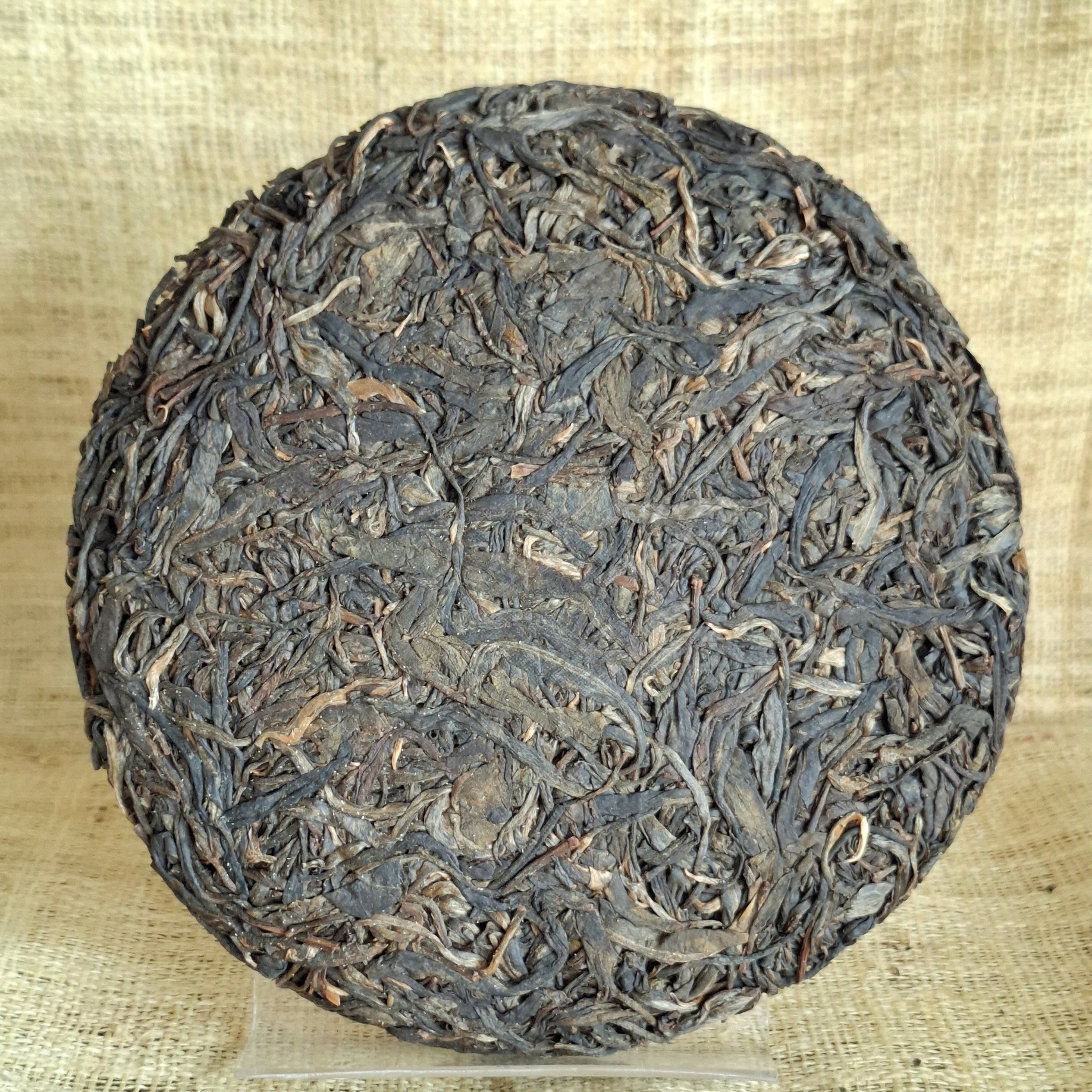
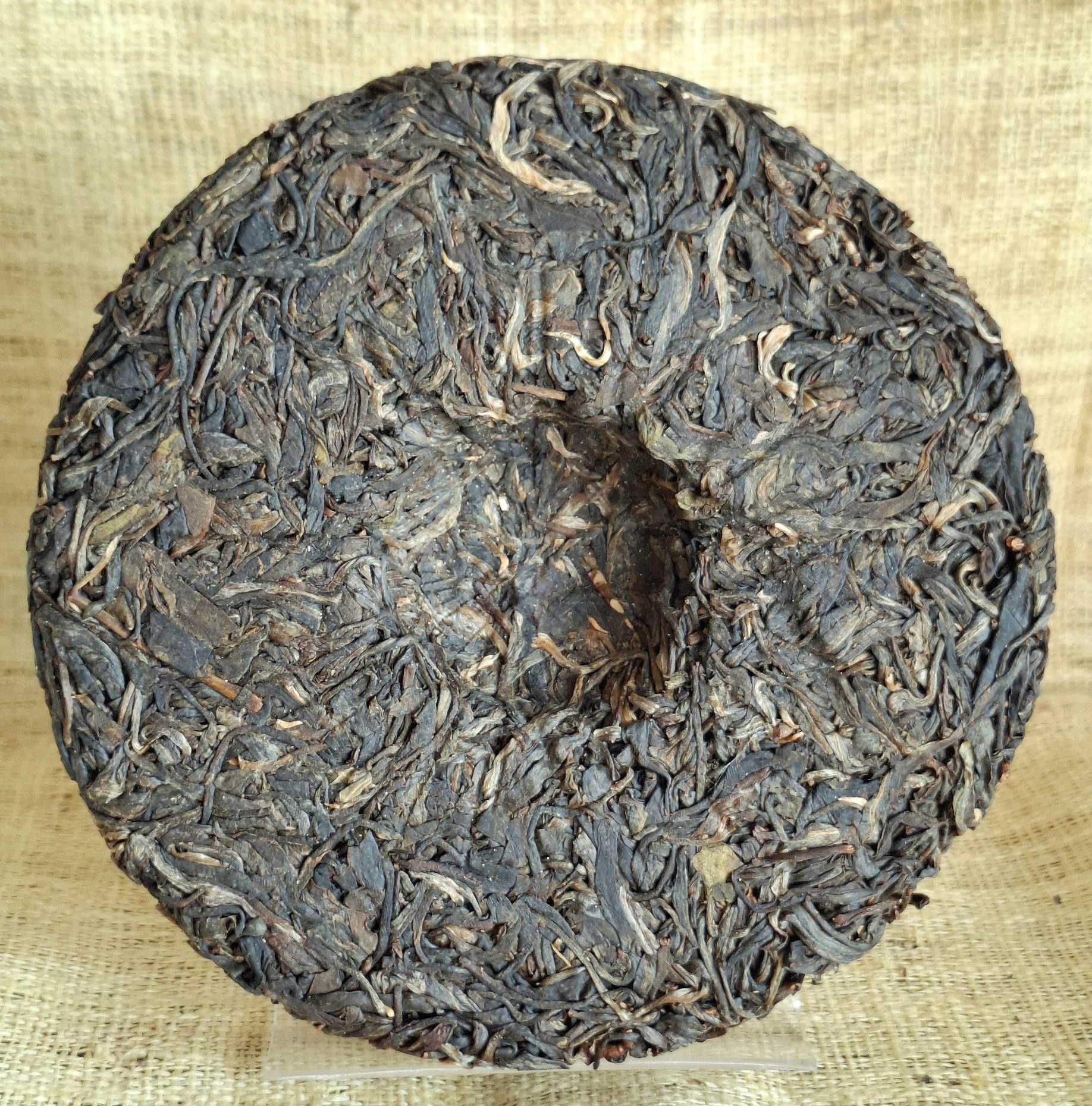
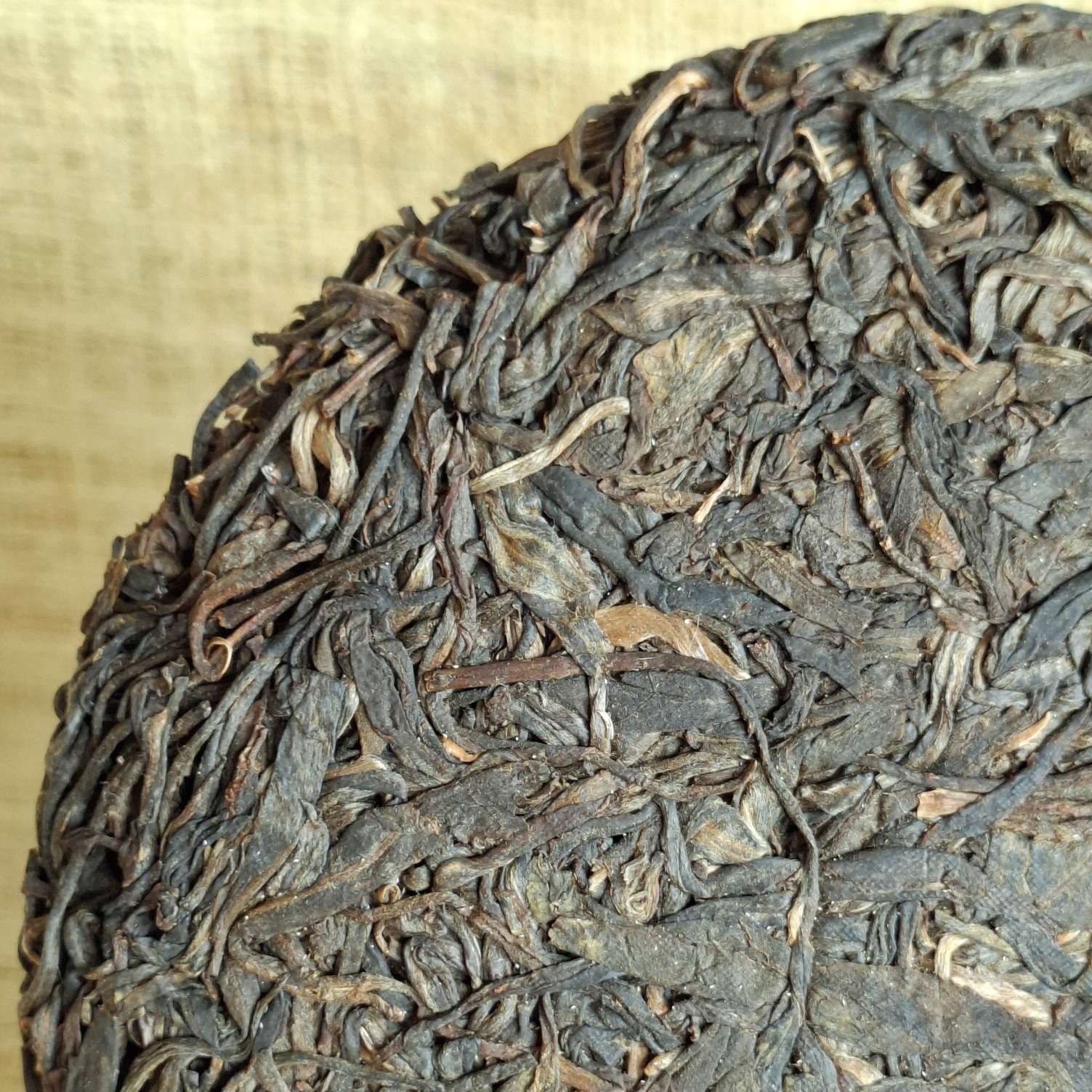
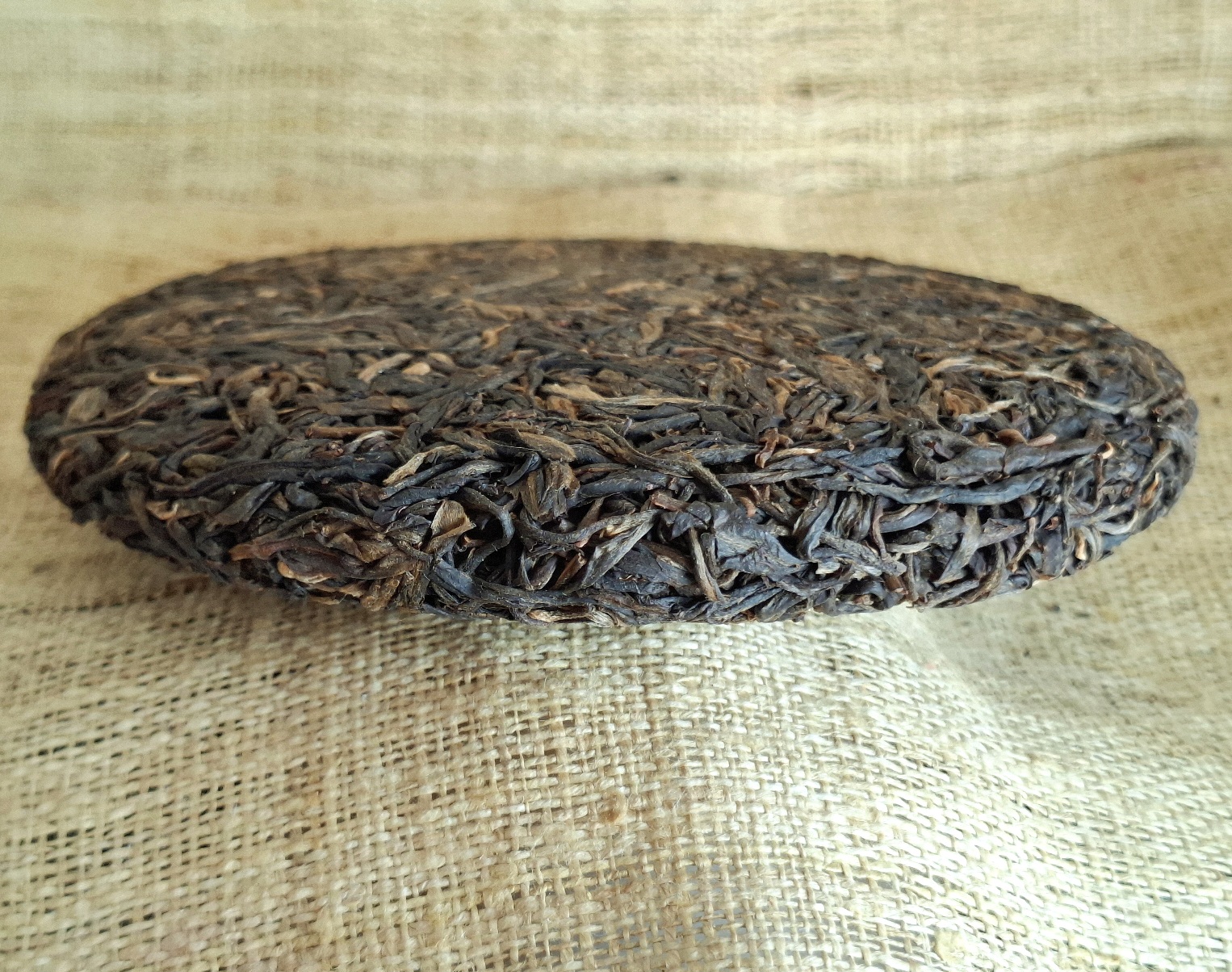
Hua Zhu Liang Zi, Early Spring 2019 Ancient Tea Tree Raw Puer, 200g cake
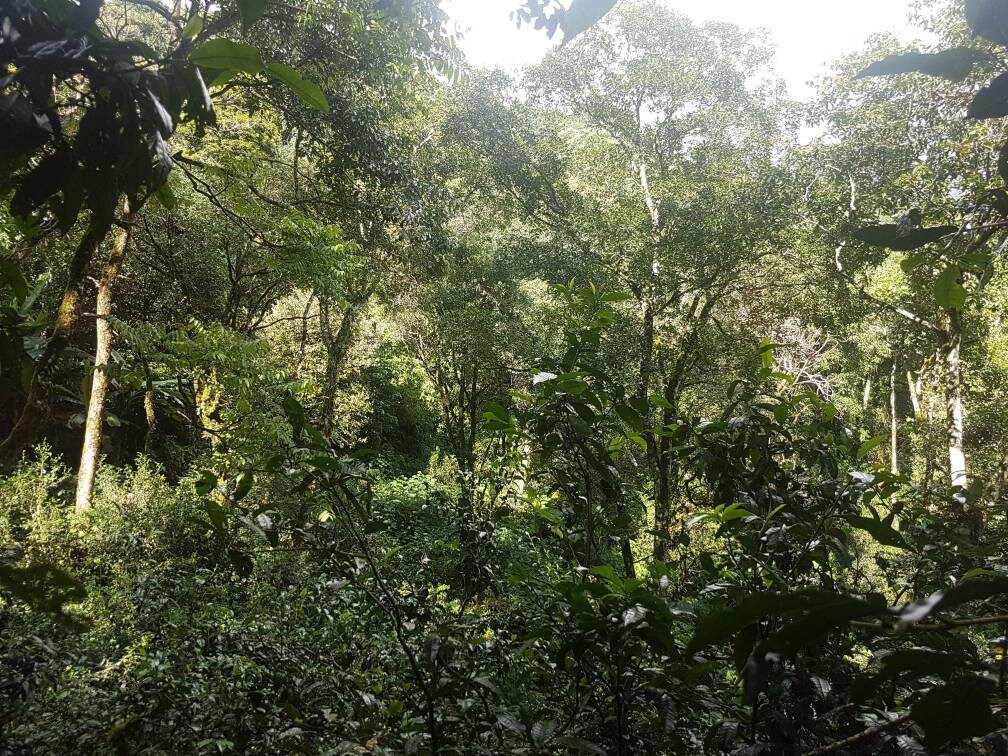
This 2019 tea is from the same tea gardens as the 2018 tea. The tea gardens are a friend's uncle's. They are in a heavily forested area of the mountain, on a steep slope at around 1800 metres.
I think I maybe had this tea online a few years ago but had forgotten about it, and in transitioning to this site from the previous 'web shop' it go lost on the way.
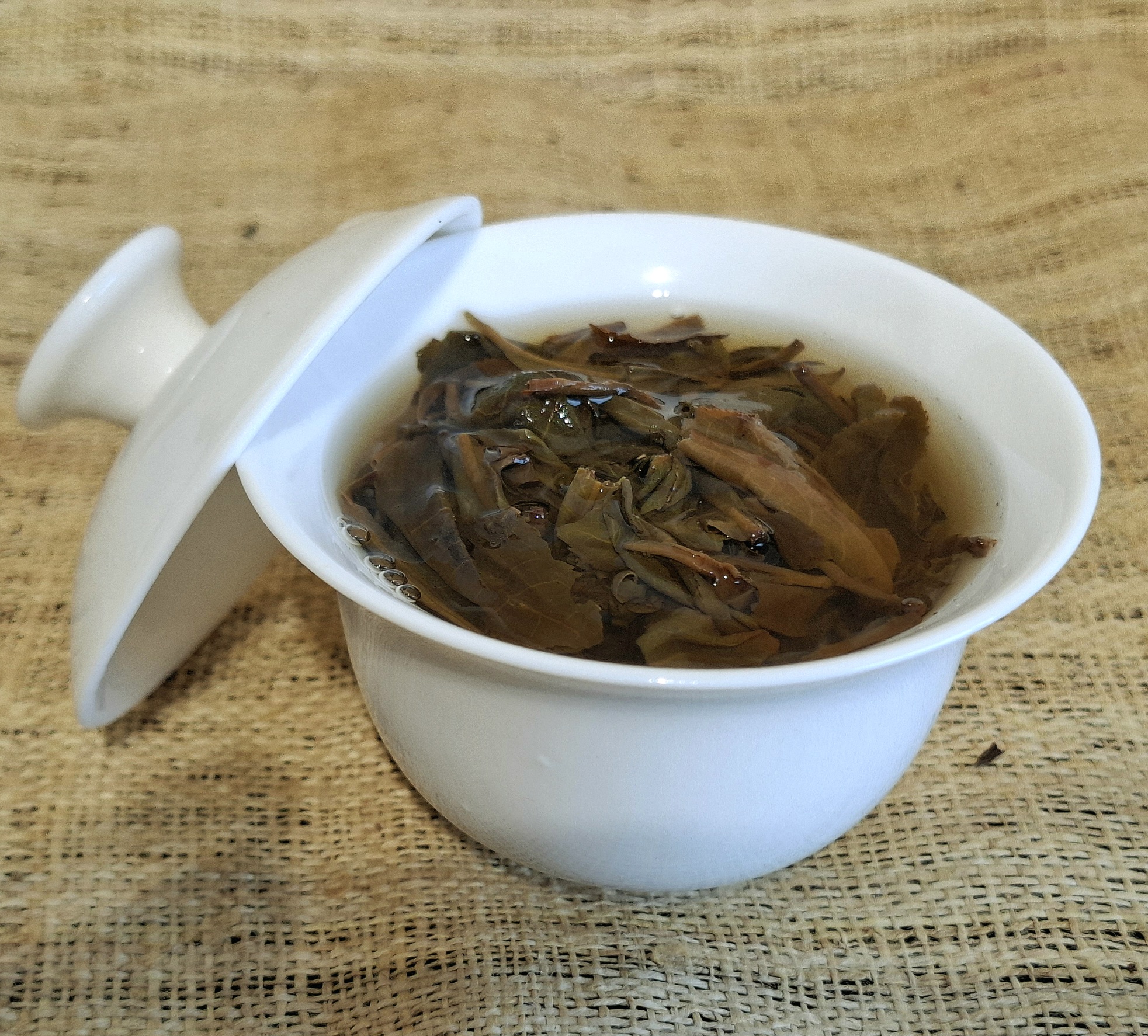
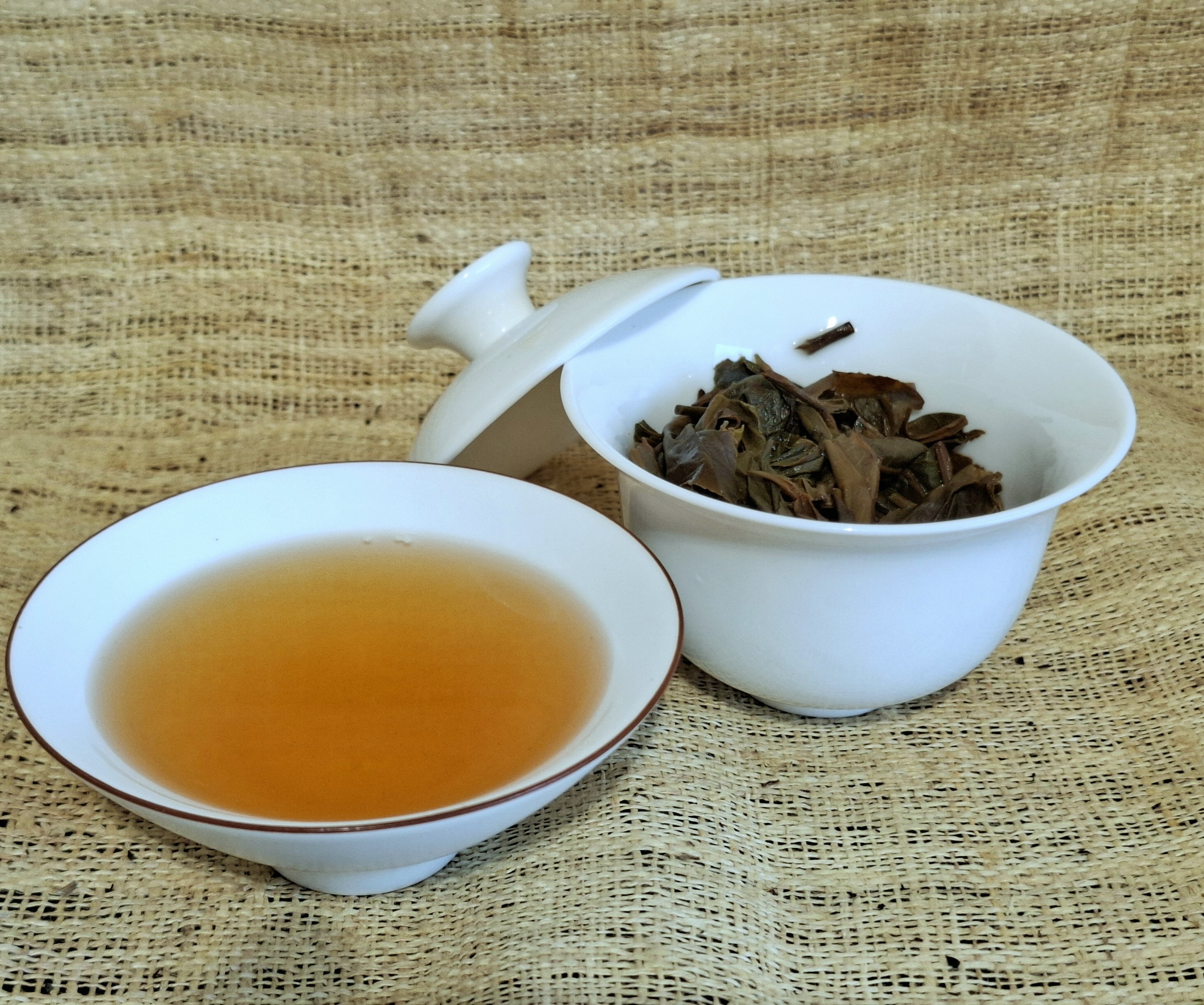
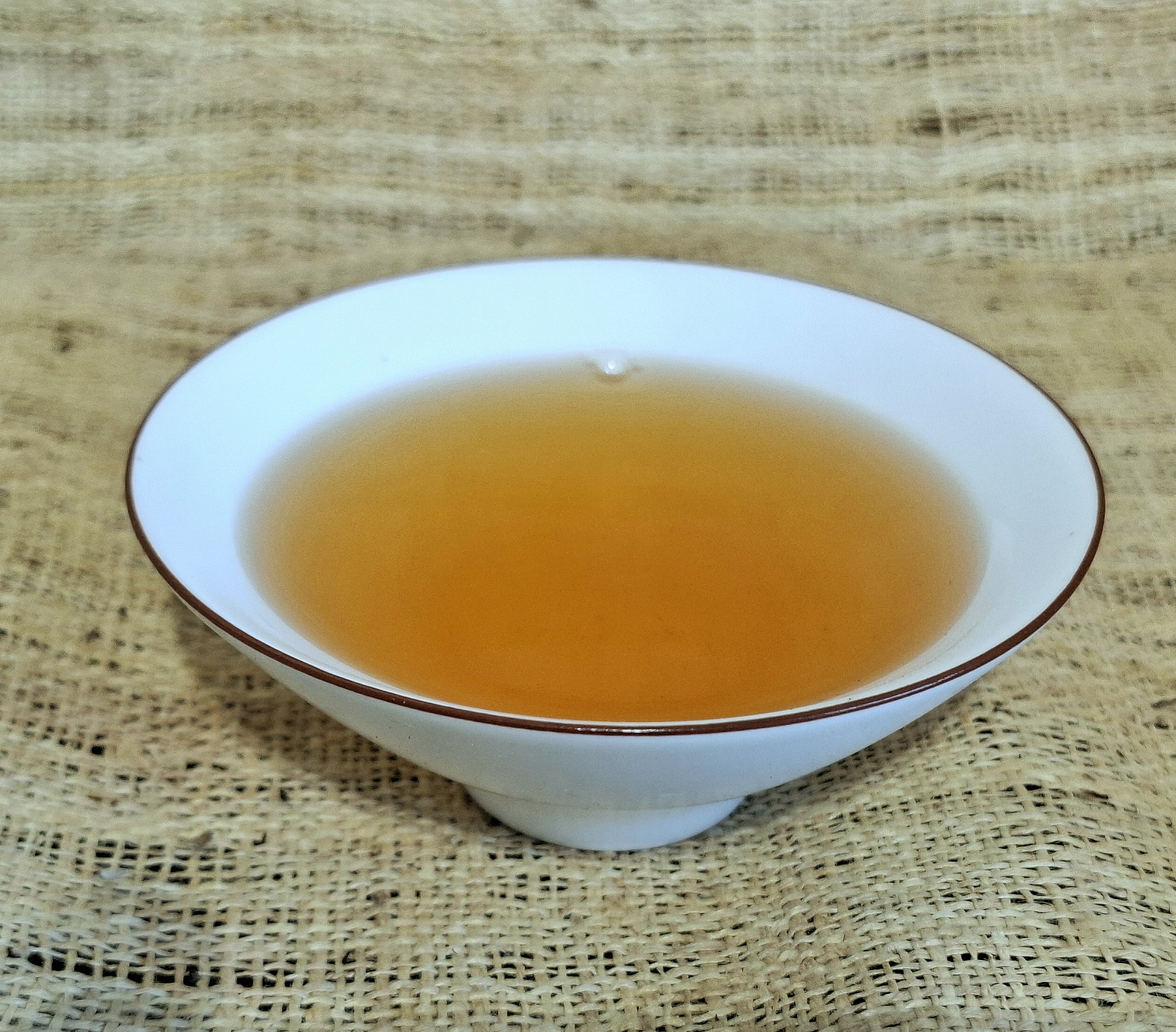
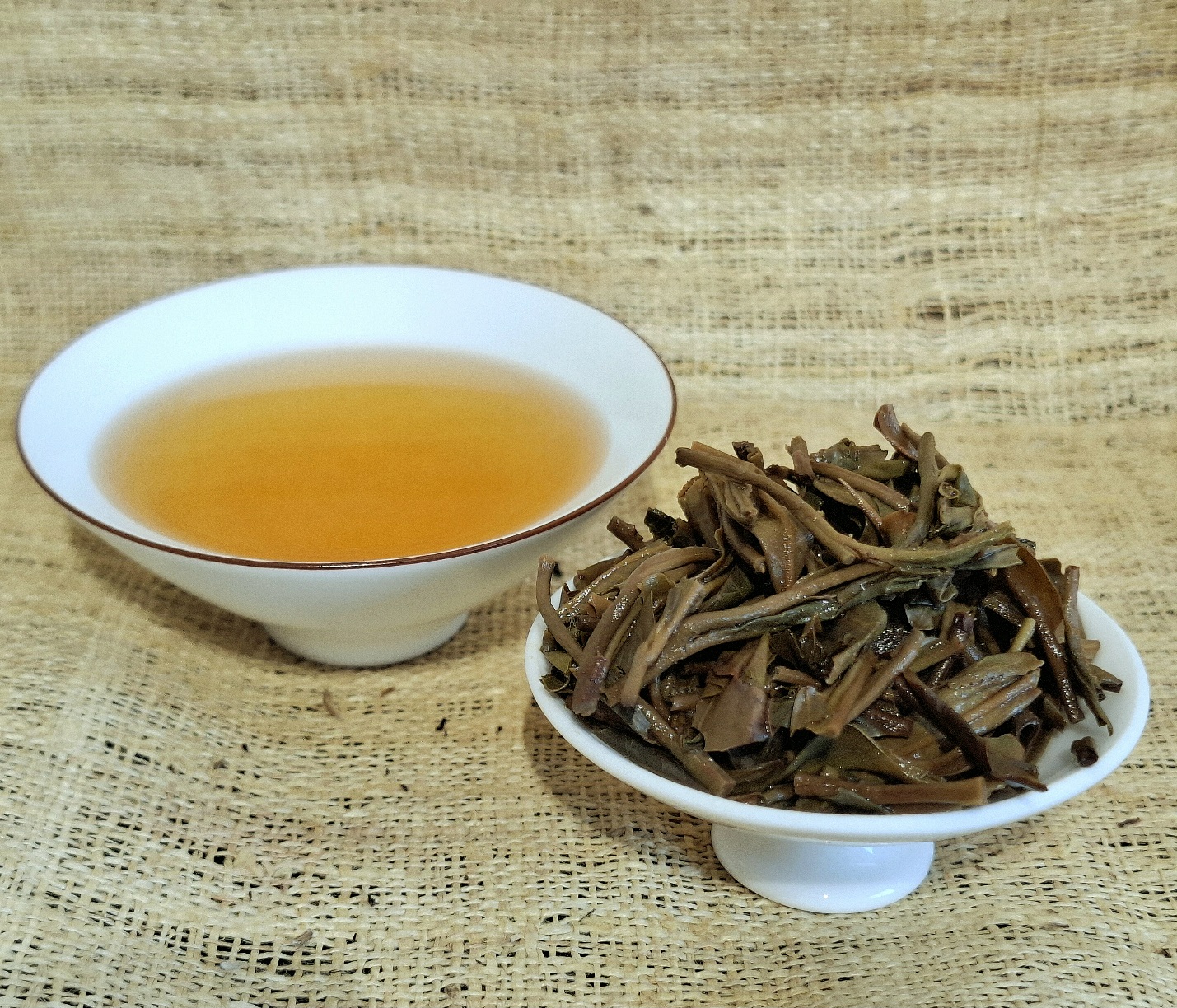
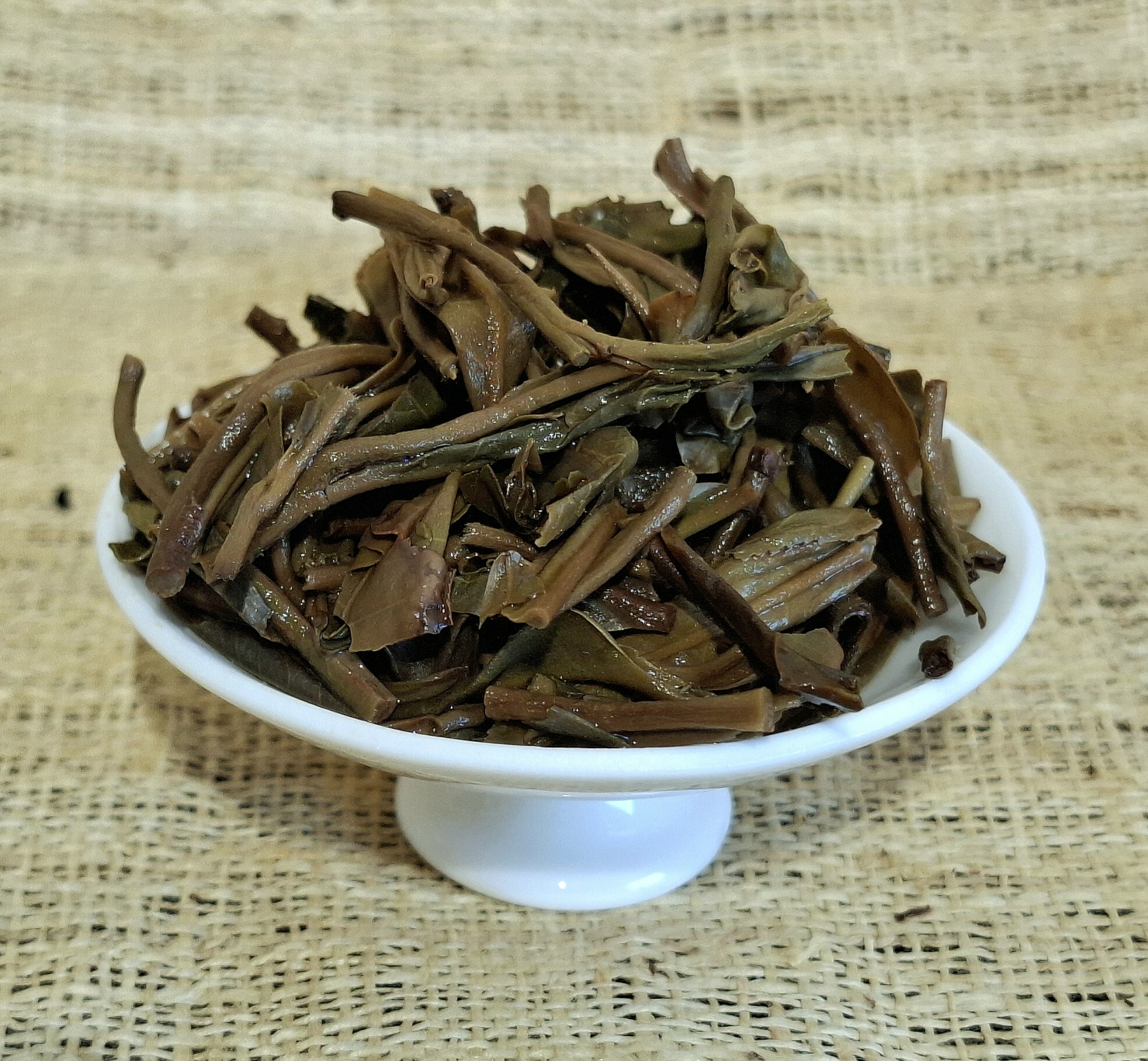
The tea now, in early 2026, the wet leaves have a mushroom and new leather aroma followed by notes reminiscent of linseed oil (woody-oily) and something a little peppery. The gong dao bei gives off notes of something spicy (aniseed/licorice maybe?), honey, with later more floral notes. The broth also has a similar woody-oily fragrance. The ru kou has a good bit of 'stand-up' bitterness which was not so apparent when the tea was younger. It lingers fro a few seconds before transforming. The broth is smooth with a slight 'stoney' note - petrichor-like - and later turns sweet. The tea has some decent sheng jing and has some stamina.
Hua Zhu Liang Zi is the name of the mountain (liang zi means peak or ridge) that is one of the tea growing areas in 'Menghai Mengsong' and is the highest peak in Xishuangbanna.
This is a tea that was well made and is ageing well so far.
All Puer teas are hand picked, fired and rolled, or sometimes machine rolled. They are sun dried. Cakes are stone pressed.
Please be aware that because raw Puer tea is a 'post-fermented' tea it is in a process of continual change: as it ages, but also from season to season and even day to day, so the description here is a snapshot of the tea's quality and character, which should not differ significantly, but which none-the-less can change.
$130.00
In stock
About Agrochemicals
I do not get all my teas routinely tested for agro-chemicals. I am extremely careful about which gardens I source from: tea gardens that are in a diverse, natural environment where there is no need for the use of agro-chemicals and which I am confident are all free of herbicide and pesticide traces.
In recent years anthraquinone in tea has become a talking point. I do not generally test tea for anthraquinone and, whilst I try my best to minimise the potential for it, I do not prioritise that over other factors. You can read more here.