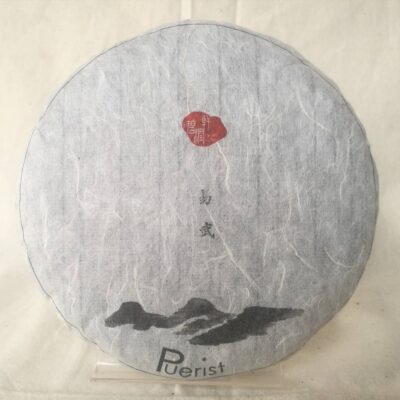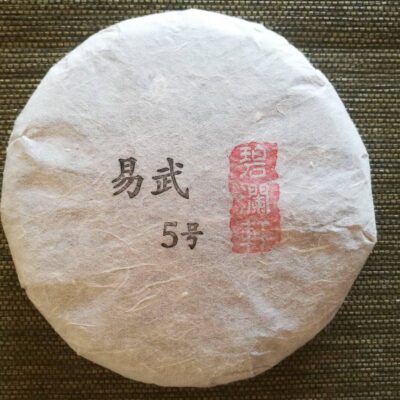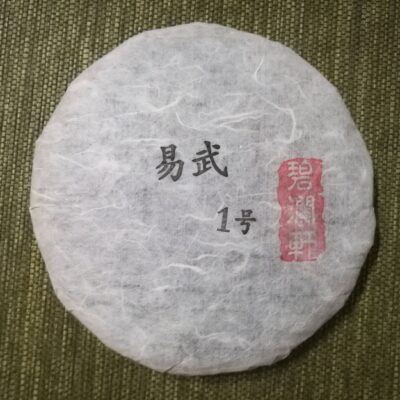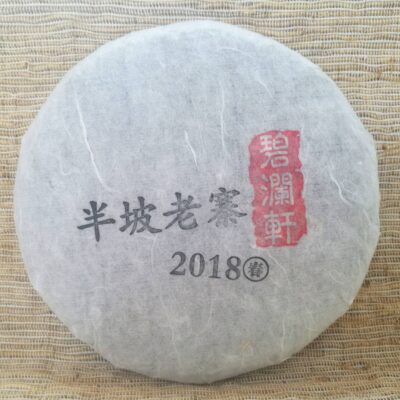
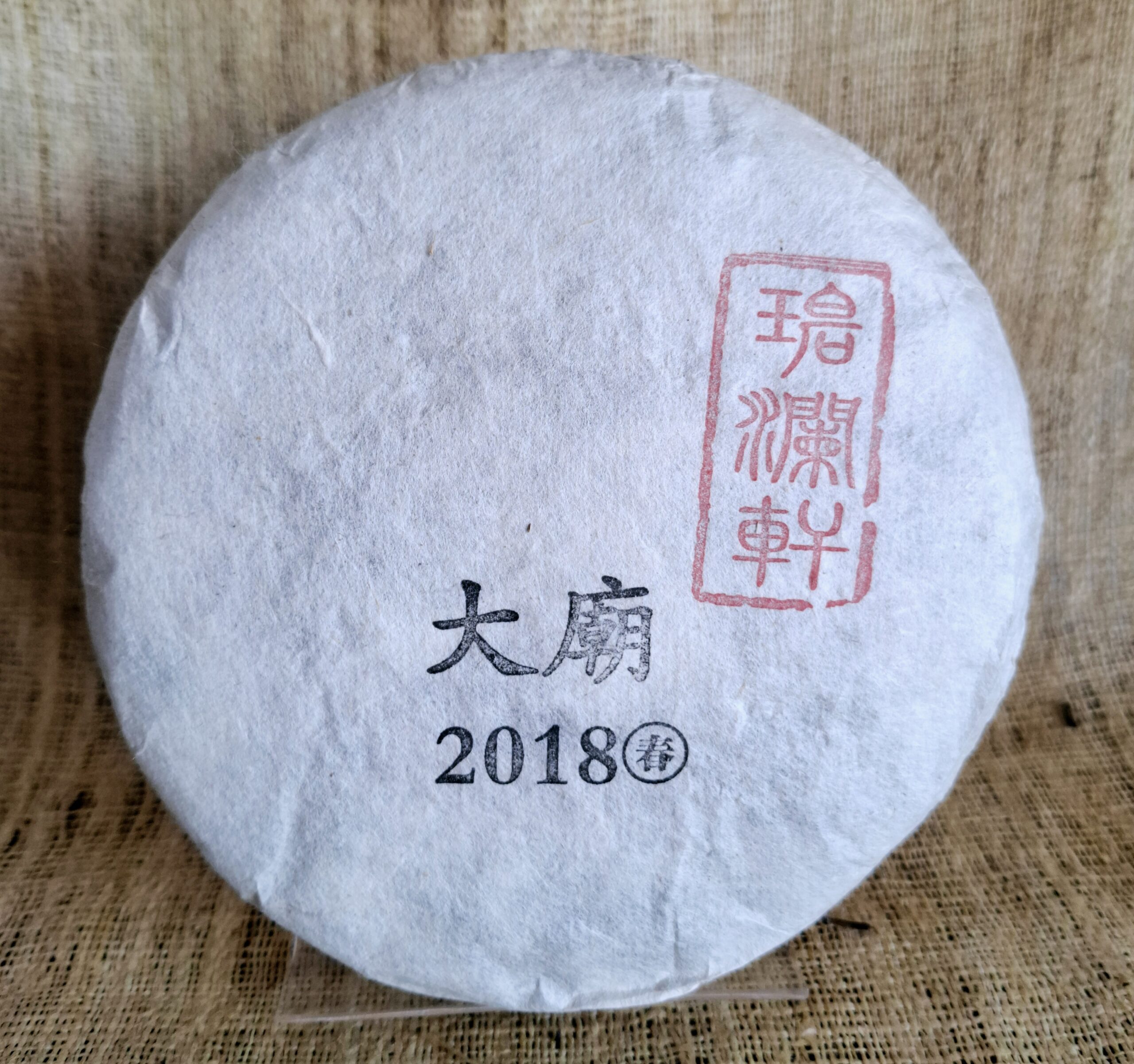
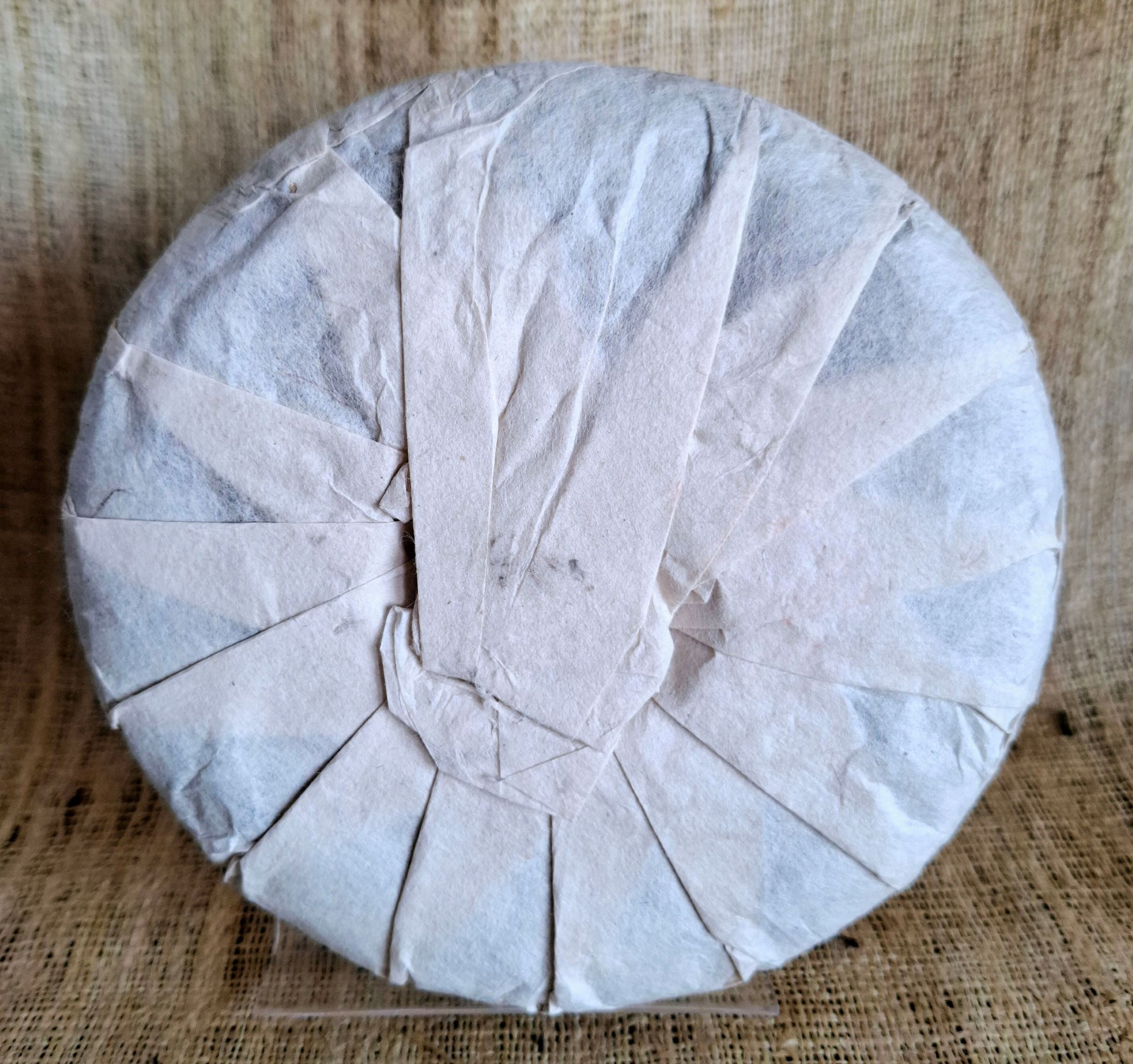
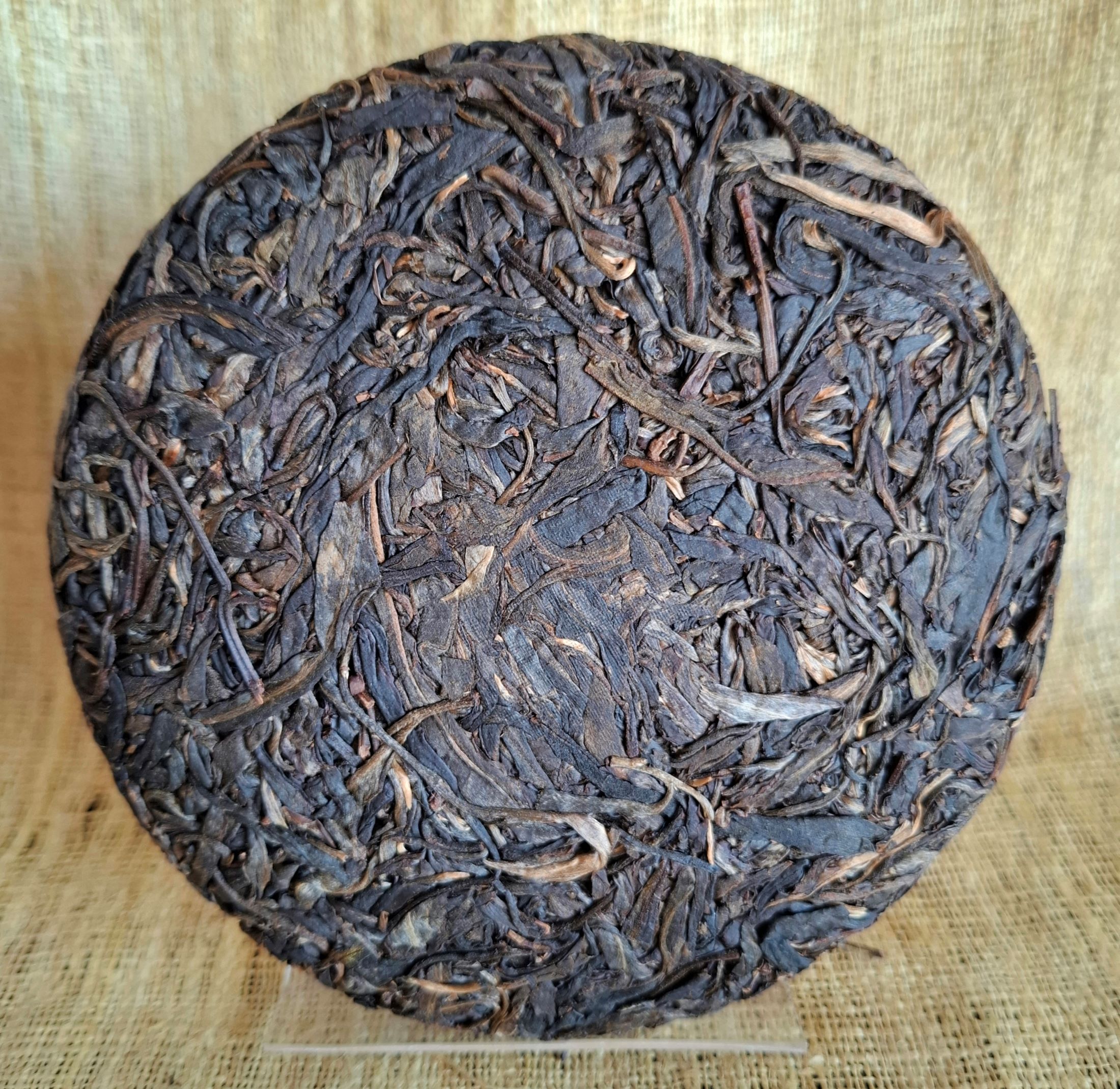
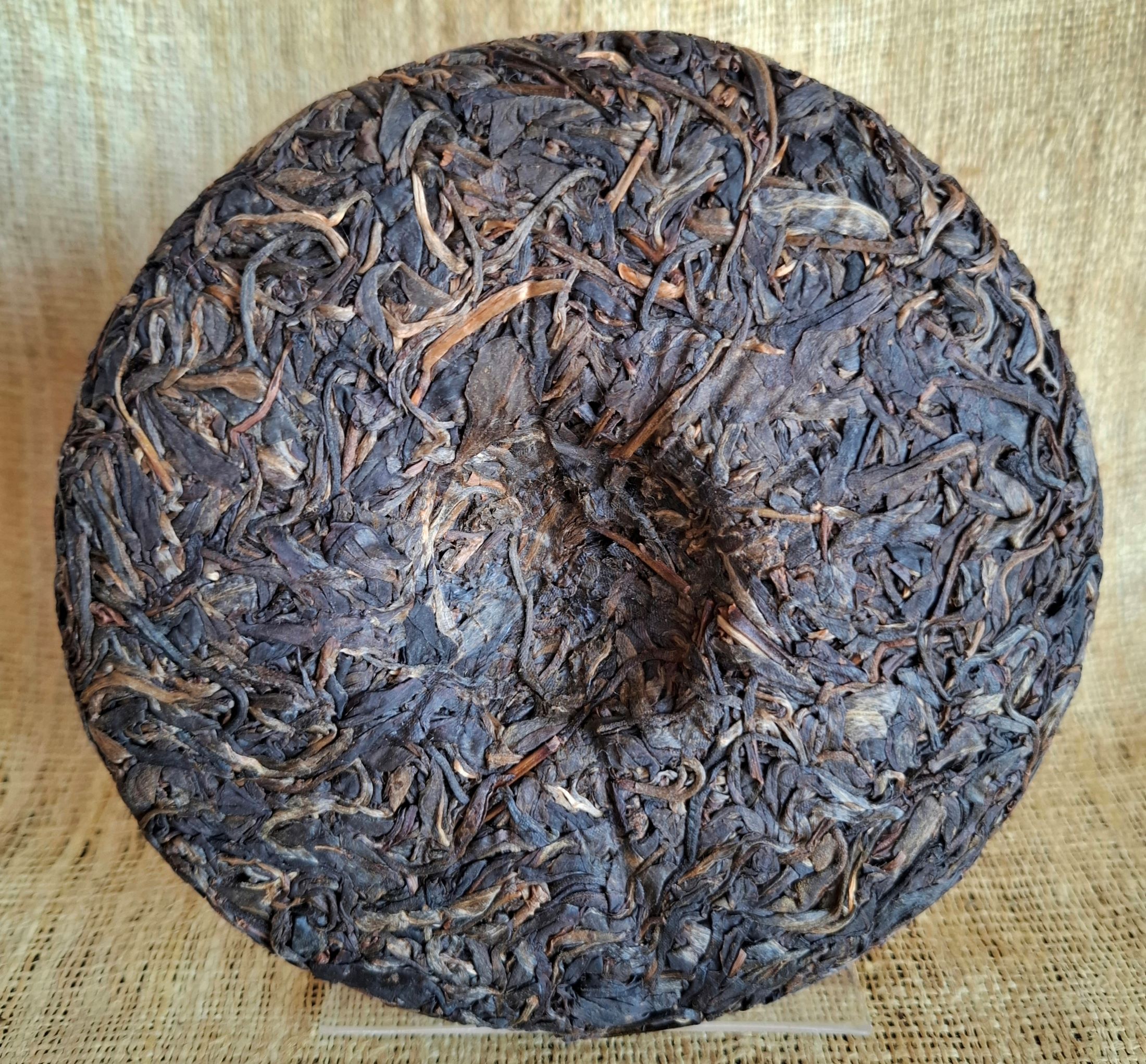
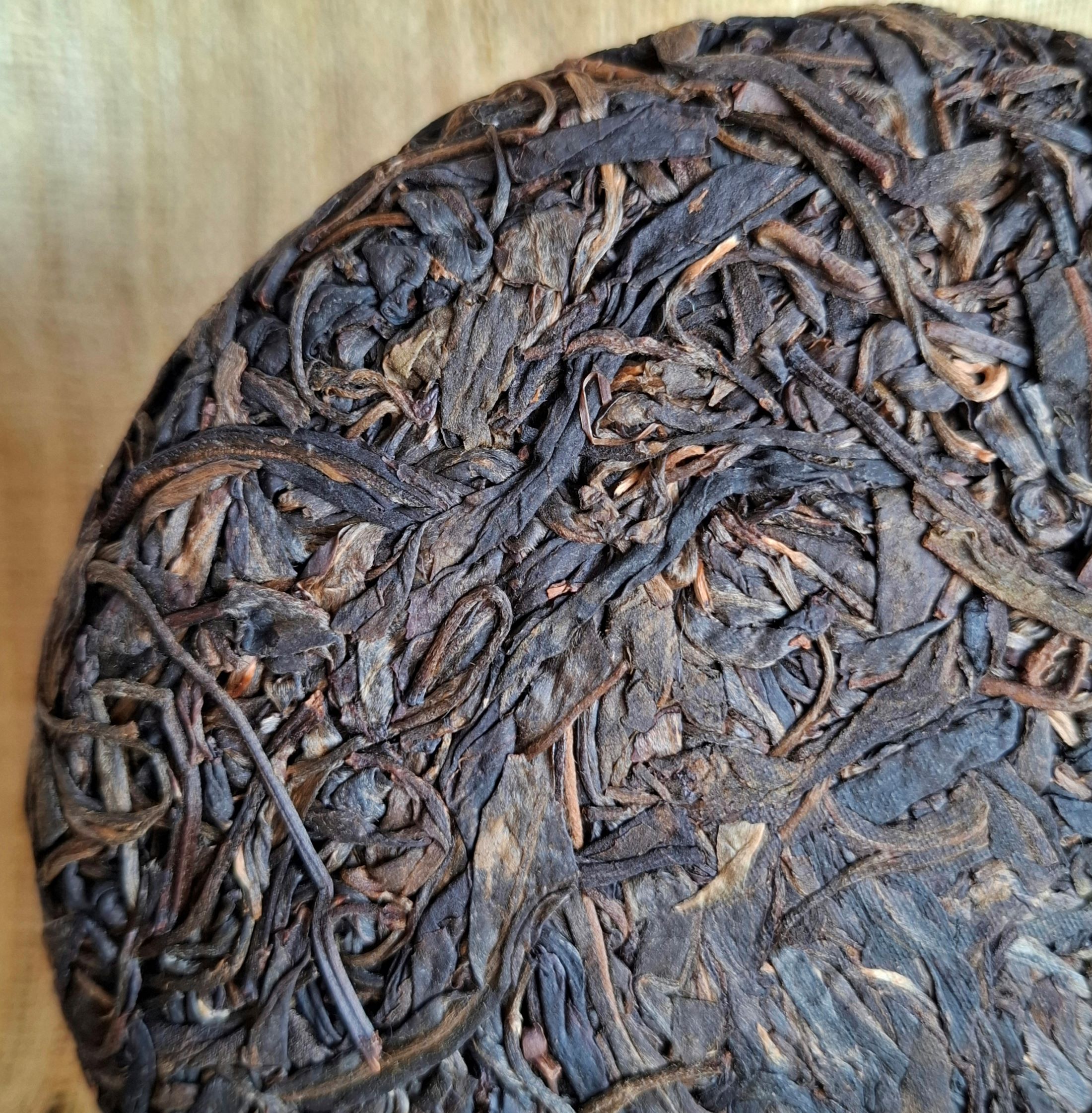
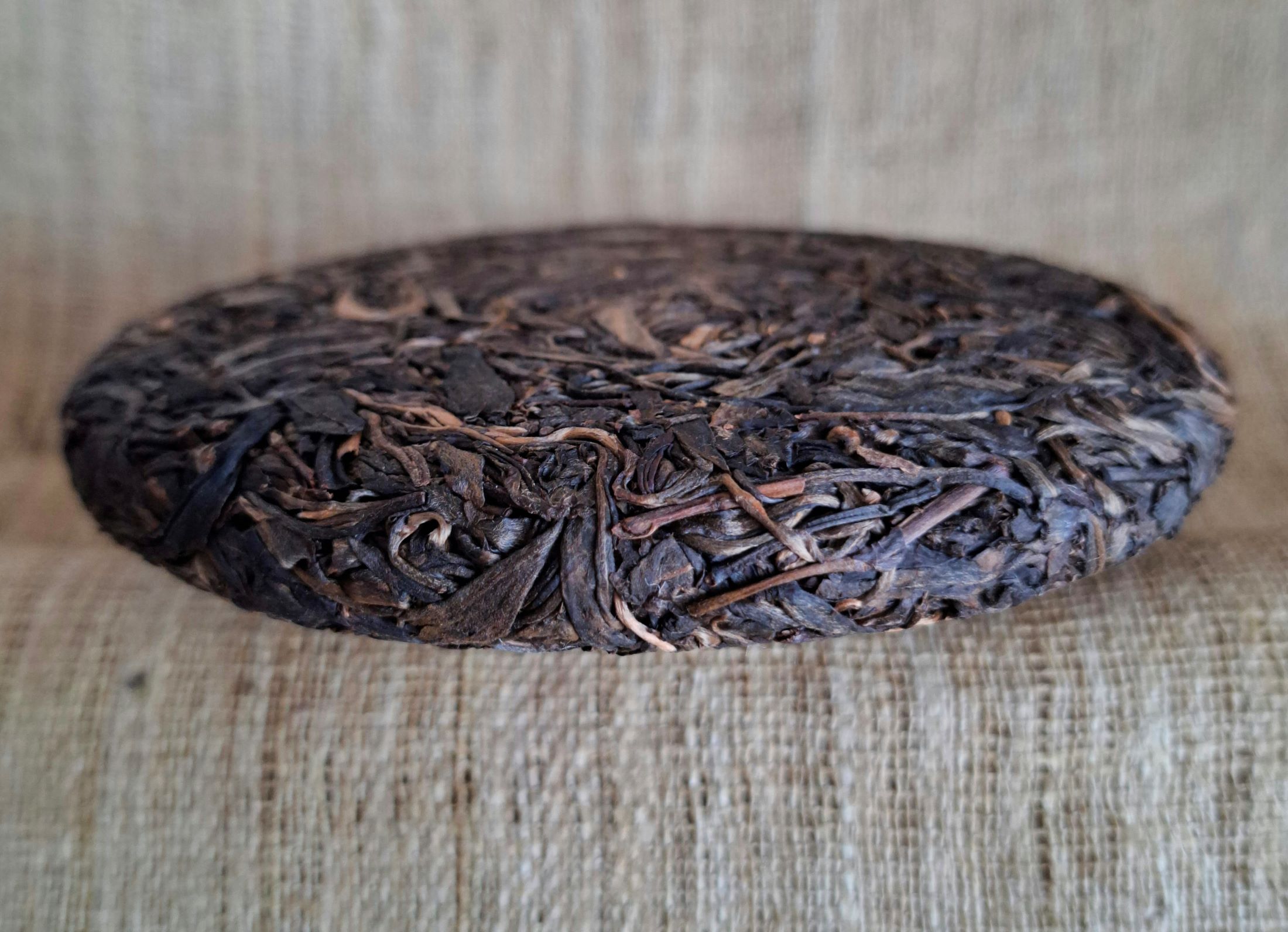
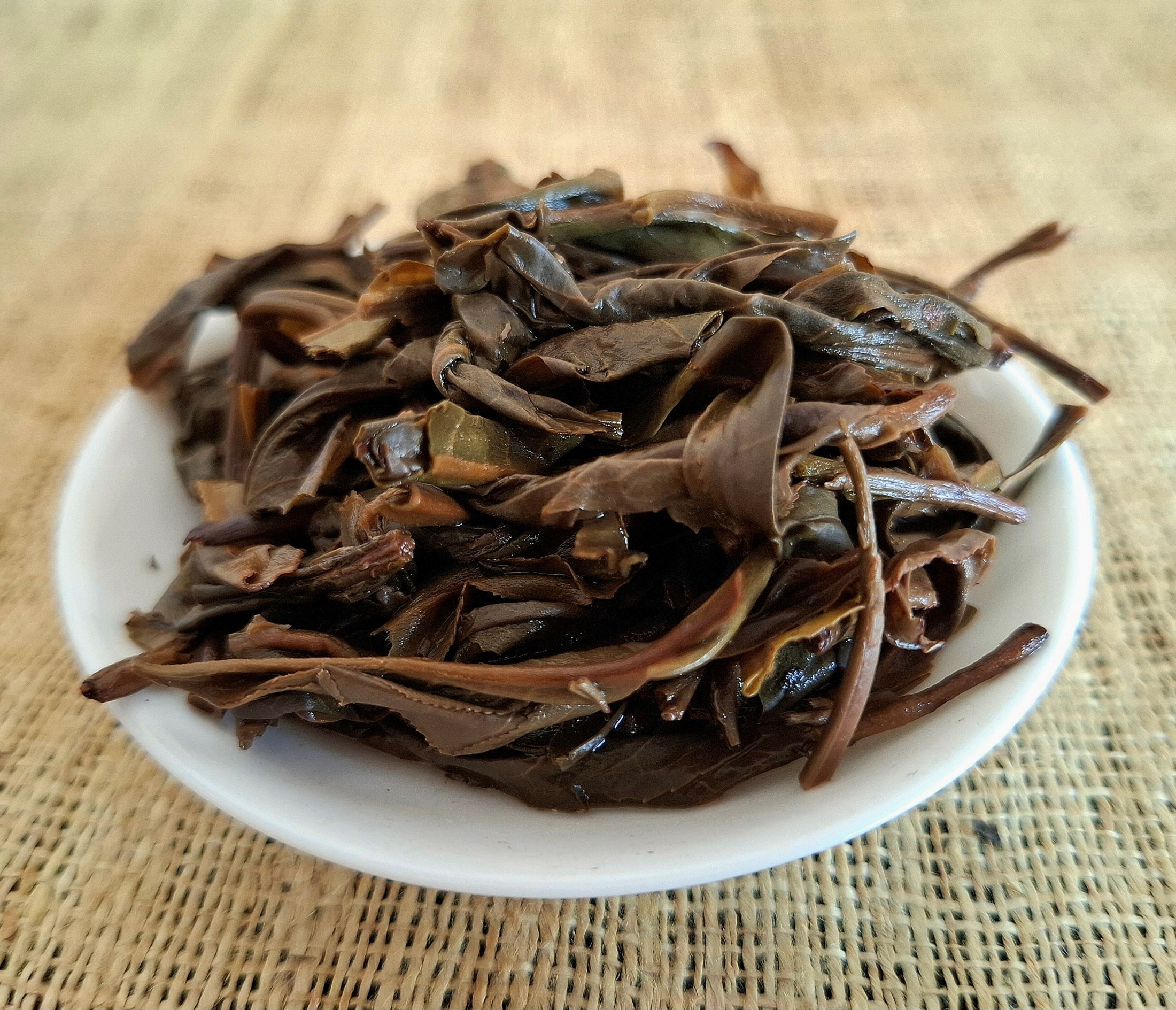
Yiwu, Da Miao, Early Spring 2018, Old Tree Raw Puer, 200g cake
2018 was the first year I got tea from this tea garden which I've called 'Da Miao'. There were only a few kilos of mao cha that year and I sold most of it that spring. I recently realised that I still had a couple of kilos left that I had got pressed at the end of 2018.
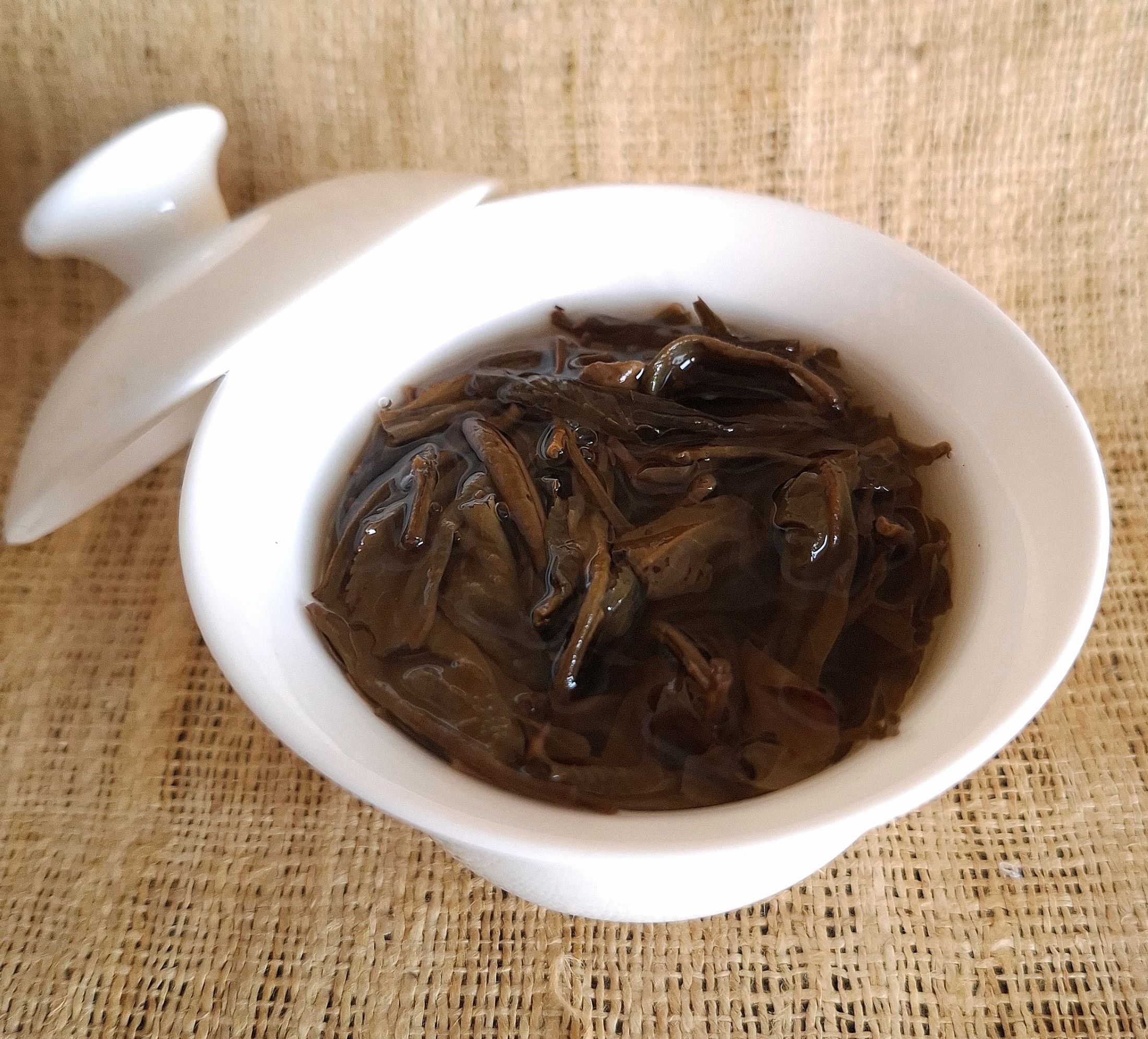
The young tea had a distinct 'ku-se'. The dry leaves had a light leathery/grassy aroma.The wet leaves smelled of tobacco/grasses with a little sour fruit, and a hint of smokiness. The fragrance in the 'gong dao bei' had a honey-floral character that deepened as it cooled.
The 'ru kou' was smooth but with some punch, and with a hint of smokey tobacco.
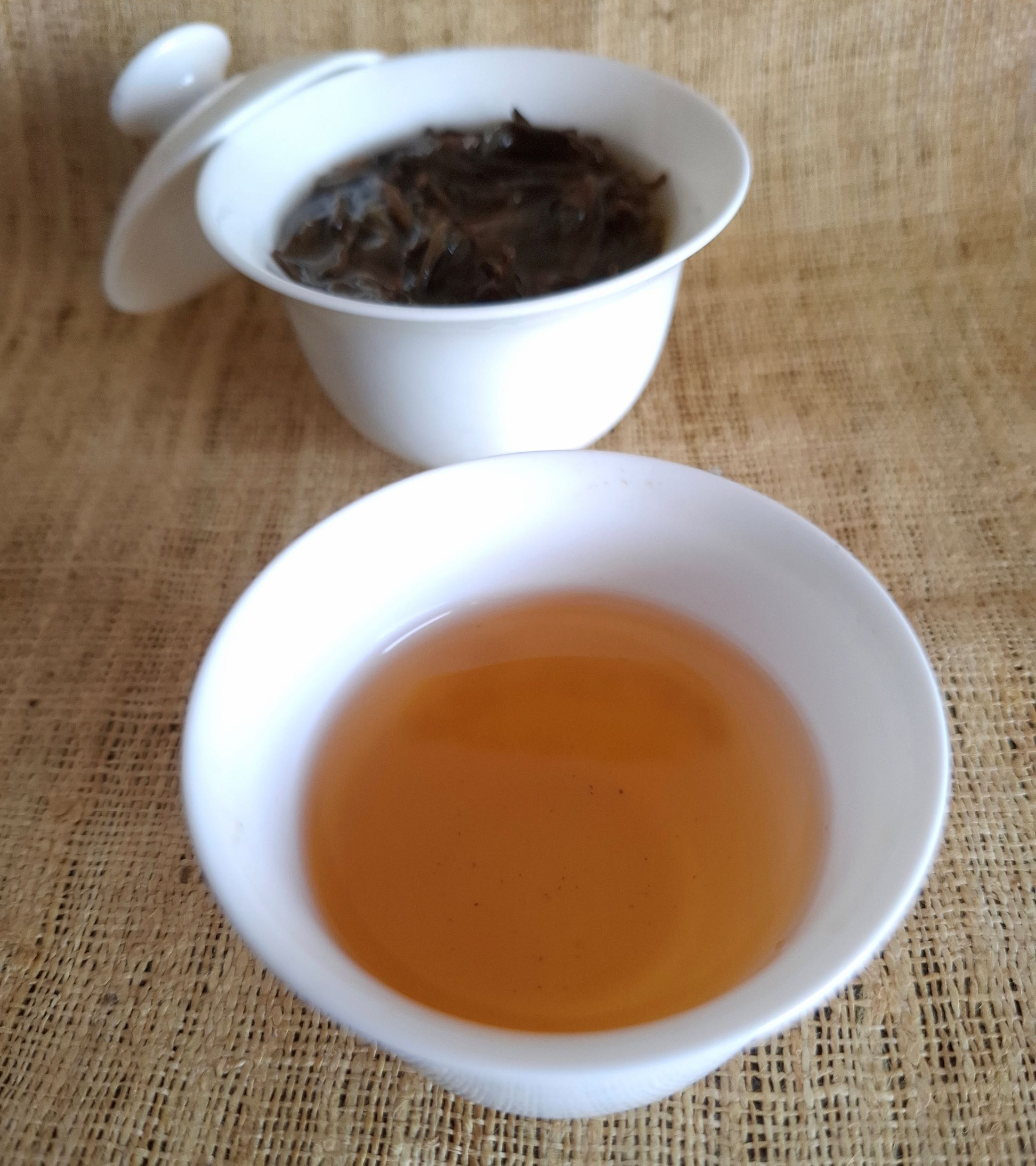
The broth was sweet with a light bitterness that transformed nicely, with some puckeriness and it produced a fairly distinct cooling sensation in the mouth.
The tea had some decent 'hou yun' and 'hui gan' with some lingering fragrance in the back of the mouth and nose.
2026 Update:
The tea now has developed a some fungal-earthy notes. The wet leaves give off notes of shellac/linseed, some yeasty-fungal-fermented aromas moving toward a menthol-like aroma. The gong dao bei gives off malty and honey notes. The ru kou is smooth yet with some punch, the flavour is both sweet and leathery. The bitterness is distinct but not dominant - it lingers briefly, giving way to sweetness and a little astringency. The tang gan is smooth, thick and oily and the tea has a decent amount of thickness. There is some steady sheng jin and some retro-olfactory flowers and fruit aromas. To sum up, the tea is ageing well enough:it is balanced, has some complexity, and can steep many times.
All Puer teas are hand picked, fired and rolled, or sometimes machine rolled. They are sun dried. Cakes are stone pressed.
Please be aware that because raw Puer tea is a 'post-fermented' tea it is in a process of continual change: as it ages, but also from season to season and even day to day, so the description here is a snapshot of the tea's quality and character, which should not vary significantly, but which none-the-less can change.
I do not get all my teas routinely tested for agro-chemicals. I am extremely careful about which gardens I source from: tea gardens that are in a diverse, natural environment where there is no need for the use of agro-chemicals and which I am confident are all free of herbicide and pesticide traces.
In recent years anthraquinone in tea has become a talking point. I do not generally test tea for anthraquinone and, whilst I try my best to minimise the potential for it, I do not prioritise that over other factors. You can read more here.
$97.00
In stock
About Agrochemicals
I do not get all my teas routinely tested for agro-chemicals. I am extremely careful about which gardens I source from: tea gardens that are in a diverse, natural environment where there is no need for the use of agro-chemicals and which I am confident are all free of herbicide and pesticide traces.
In recent years anthraquinone in tea has become a talking point. I do not generally test tea for anthraquinone and, whilst I try my best to minimise the potential for it, I do not prioritise that over other factors. You can read more here.