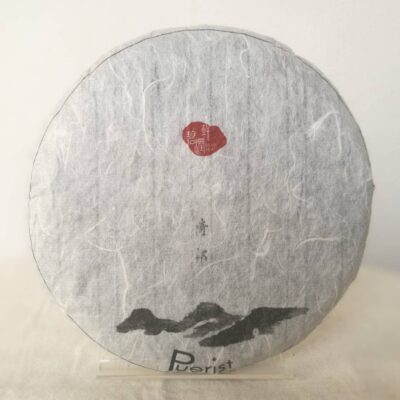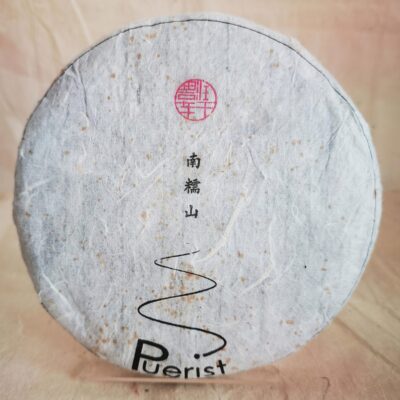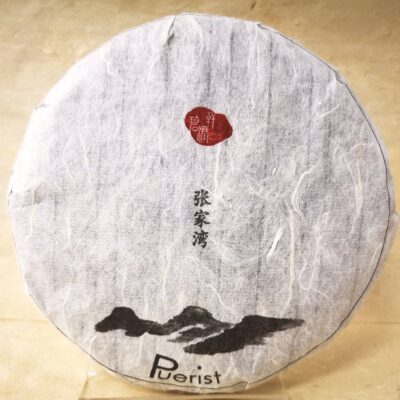
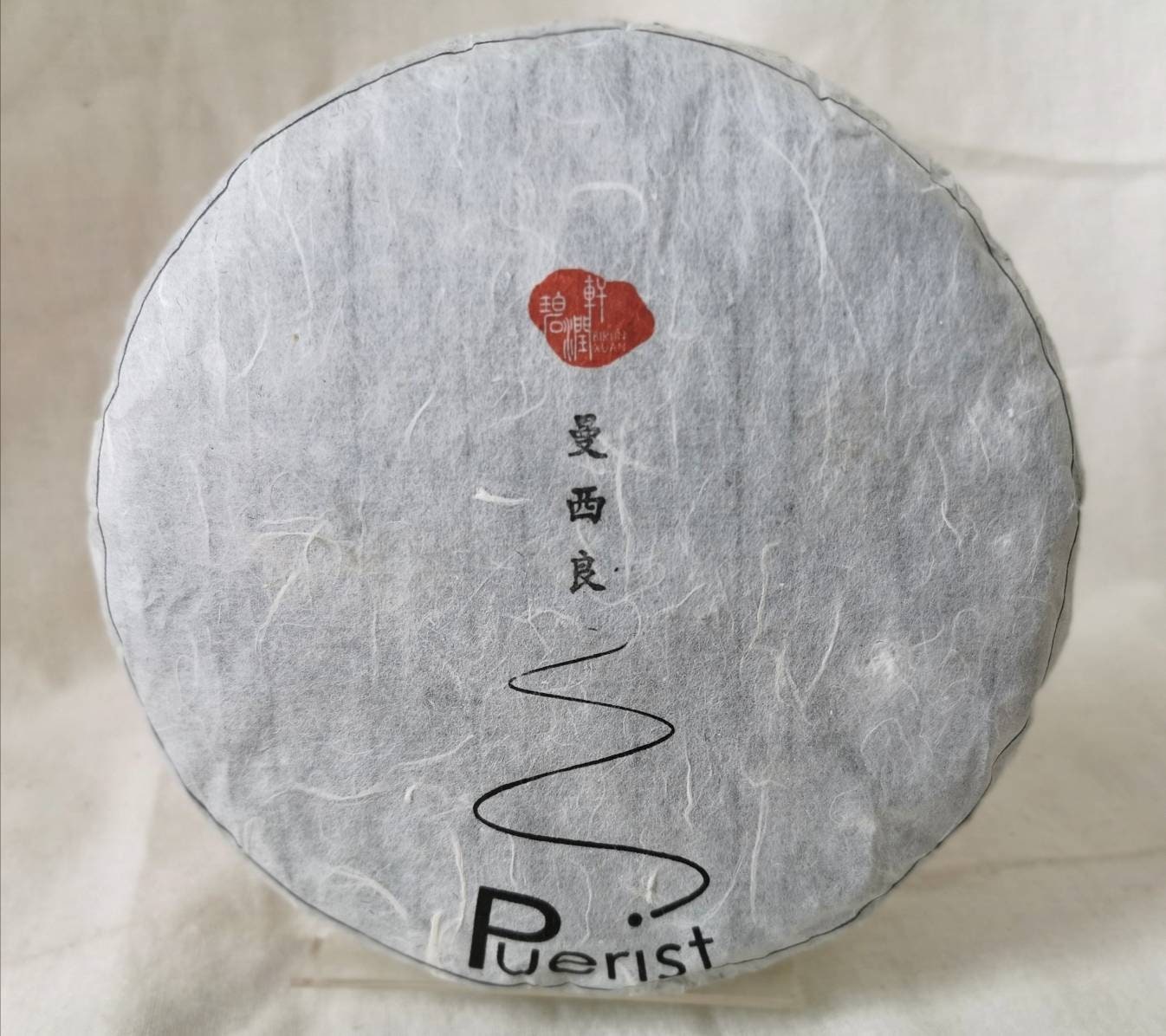
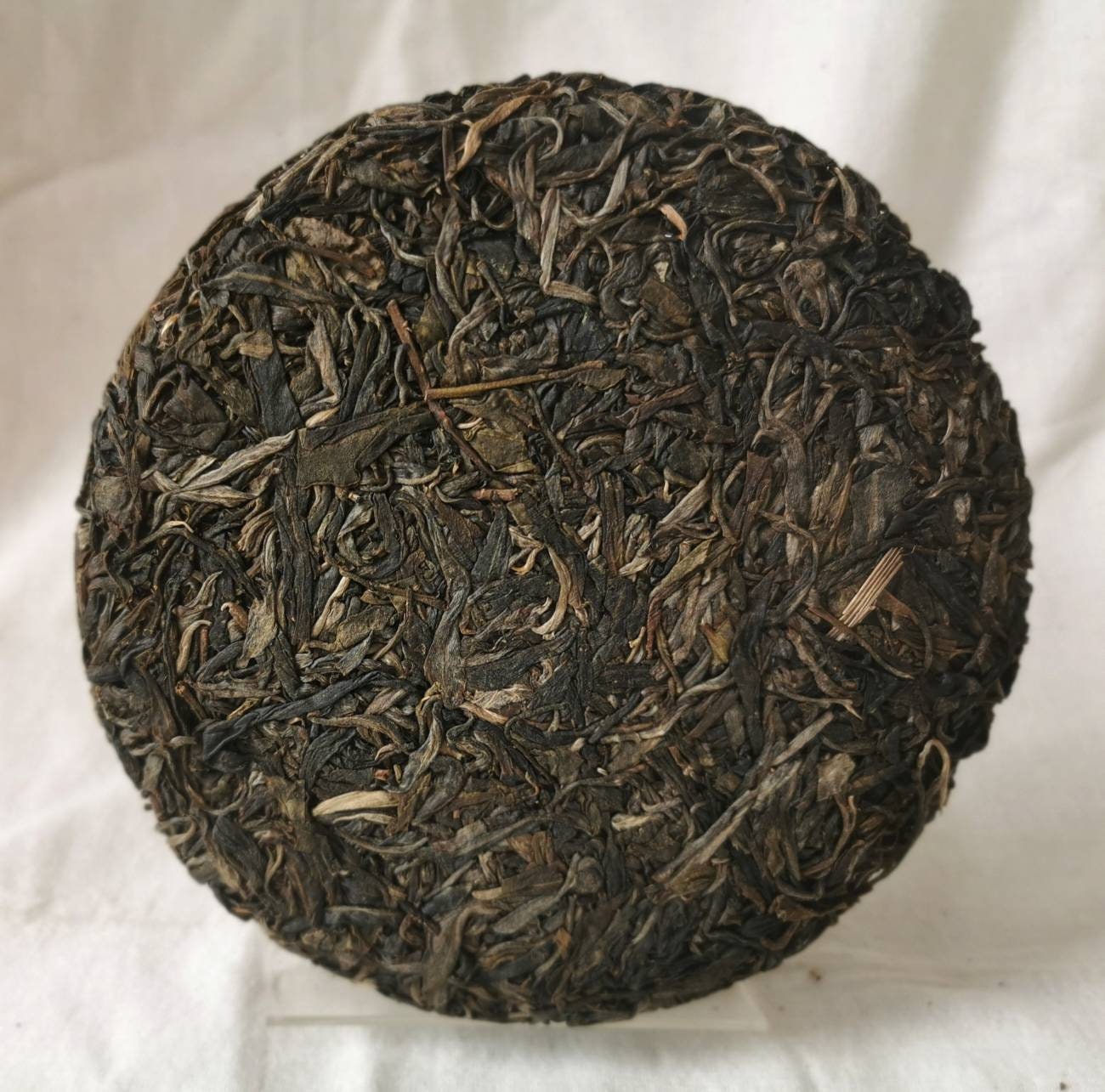
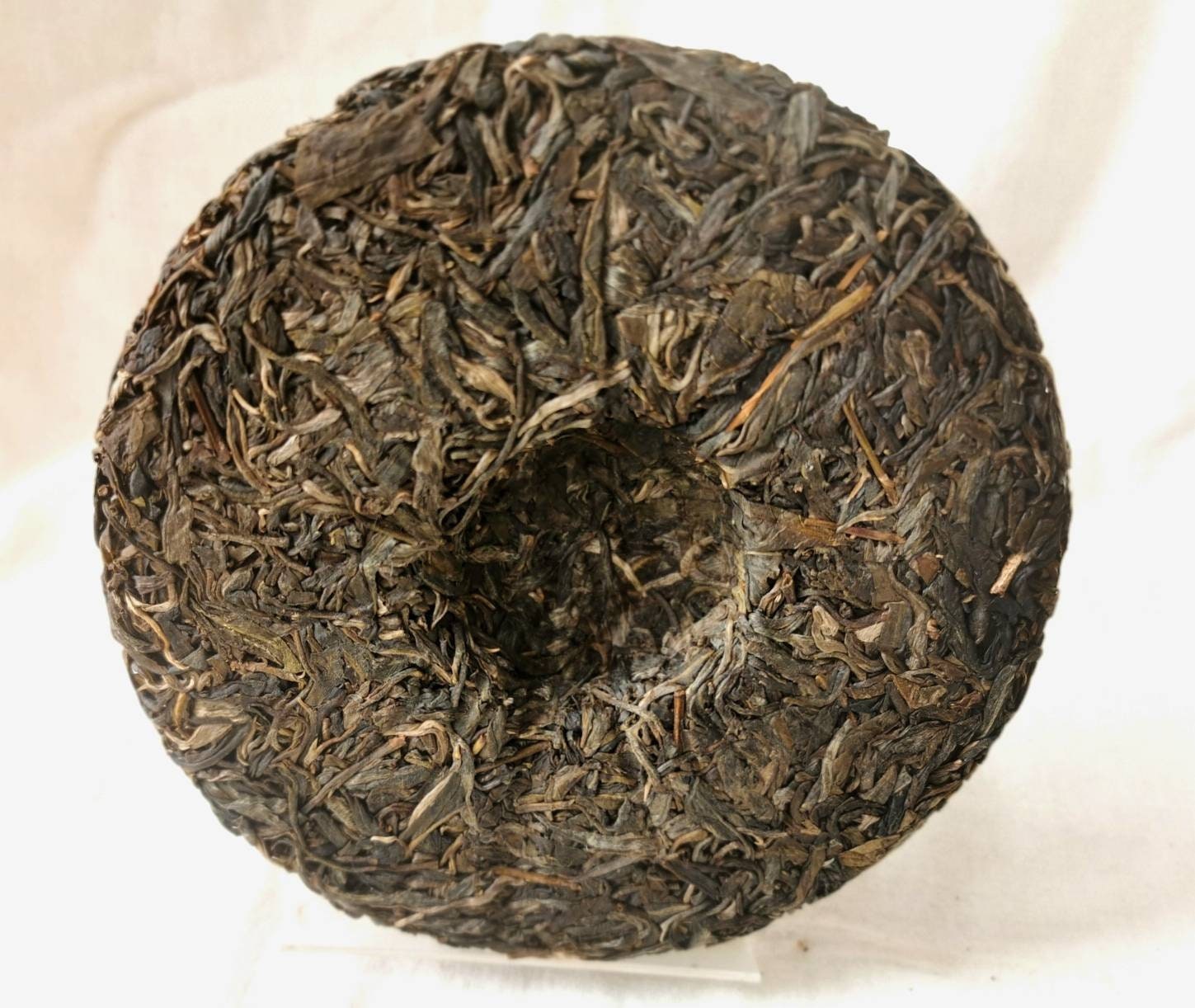
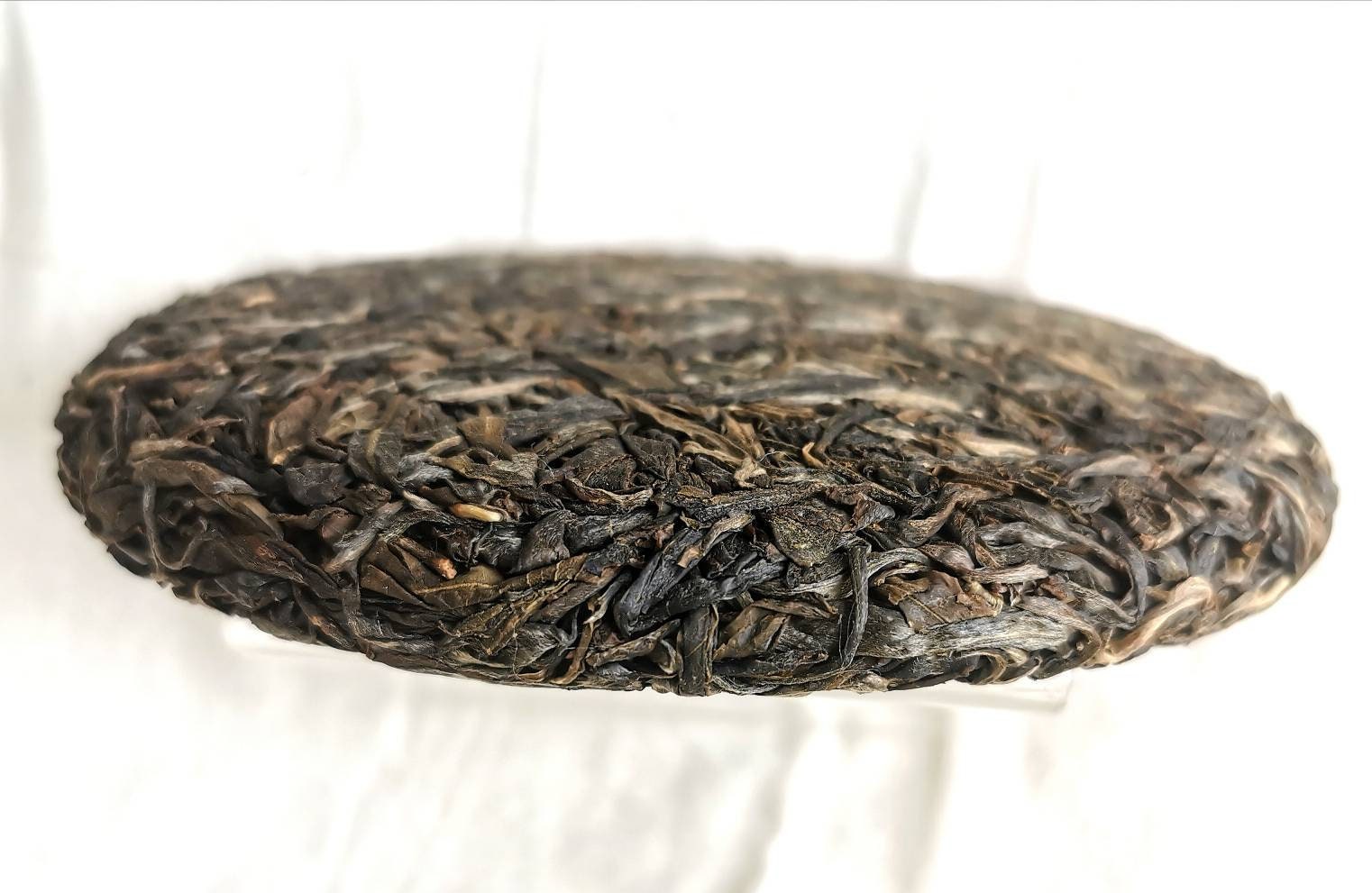
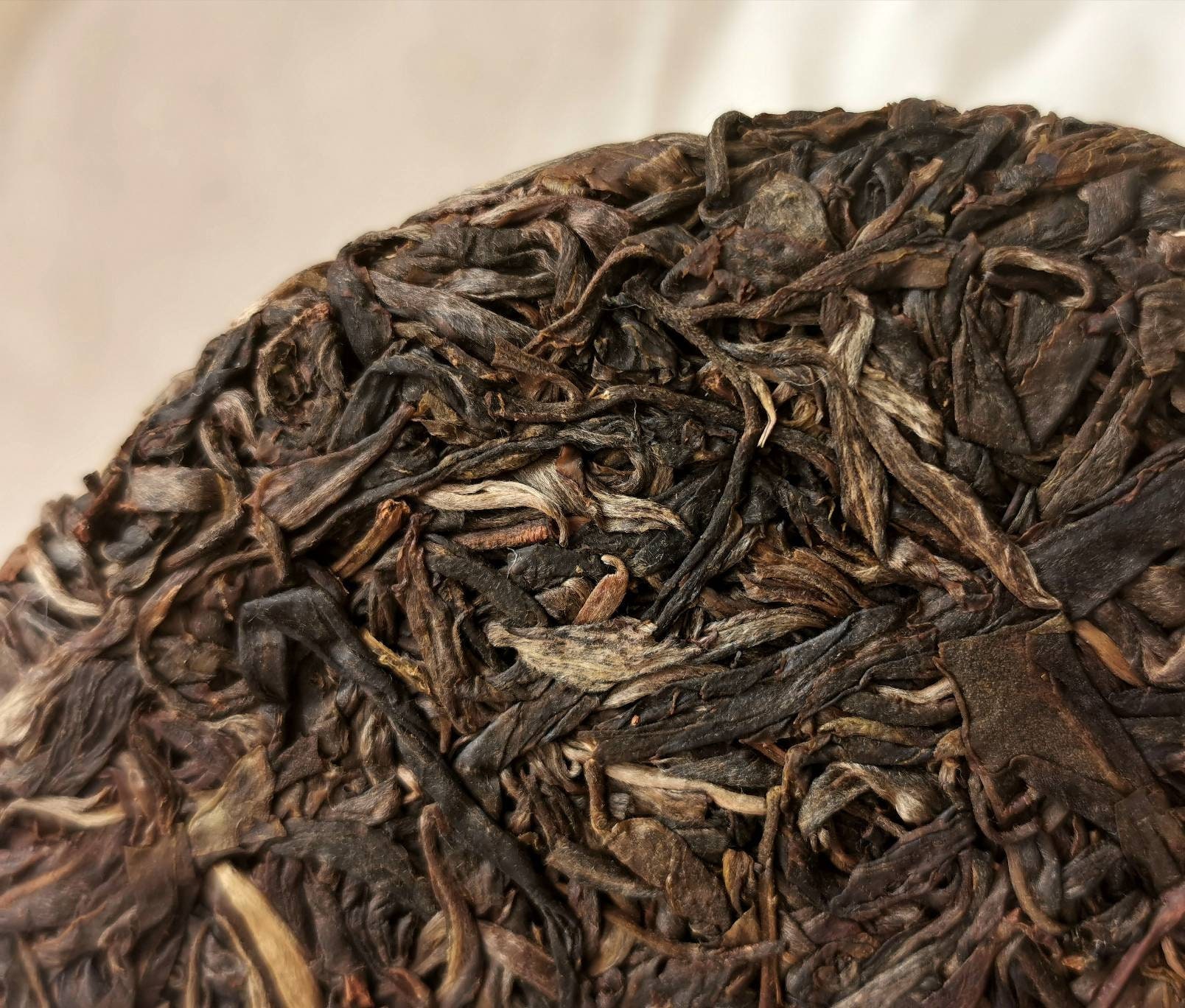
Man Xi Liang, Early Spring 2019 Ancient Tea Tree Raw Puer, 200g cake
Man Xi Liang is the big hitter of Meng Hai Meng Song. A few years back I tasted some well stored Man Xi Liang from 2014 which was pretty nice, but it took a fair bit of time exploring and a couple of attempts to come away from here with something decent. Having tasted the aged tea first gave me some impetus to persevere.
I kept this till early 2020 before pressing because I wanted to see how the mao cha developed.
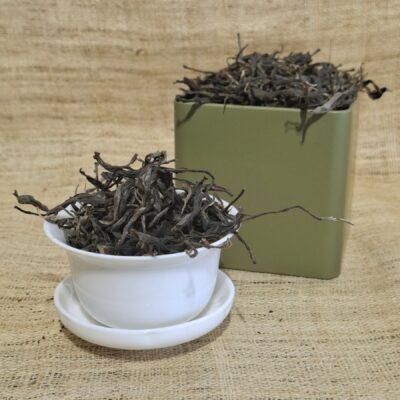
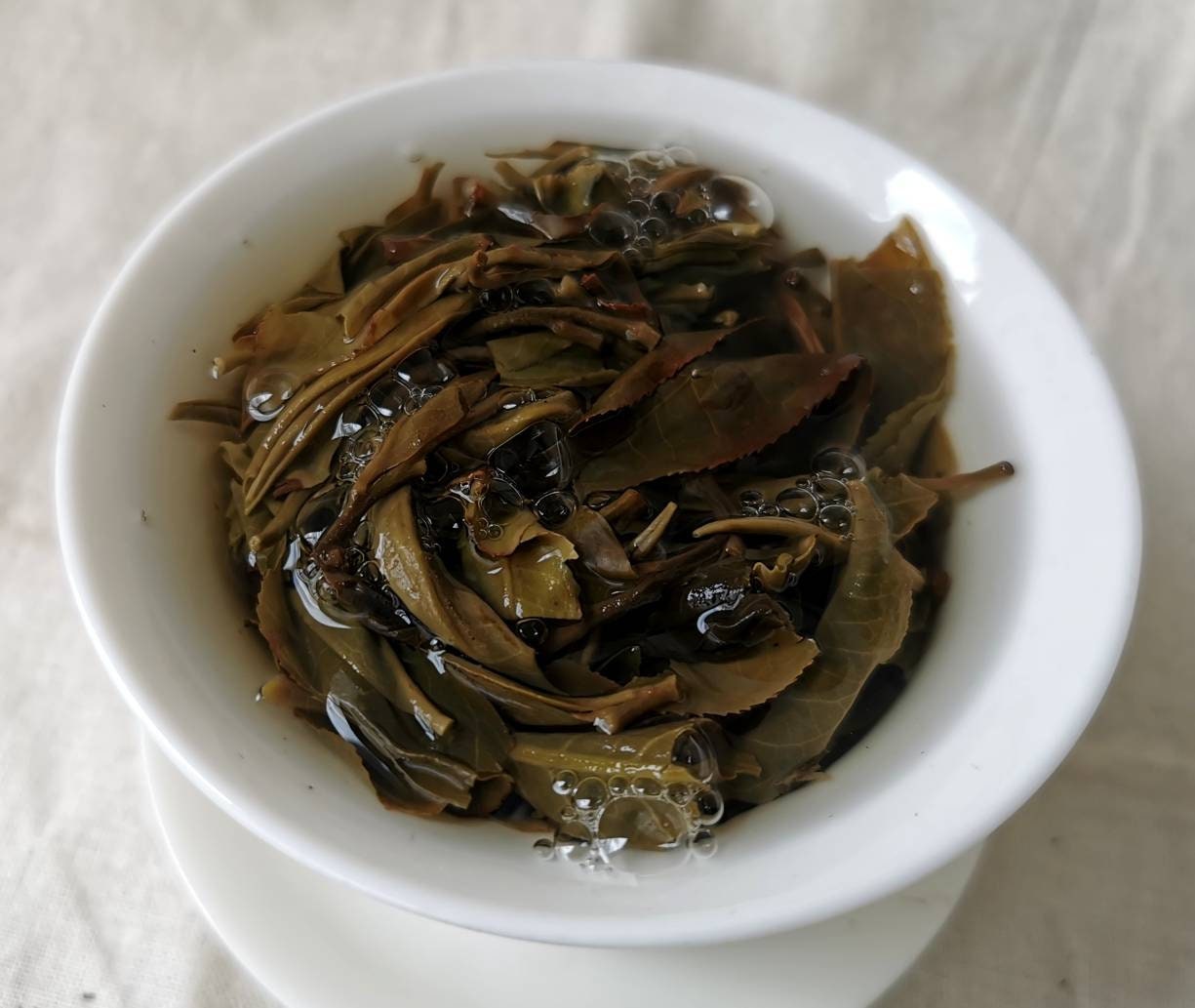
The dry leaves have pepper and mushroom/leather aroma and the wet leaves a slightly herbal/menthol note.
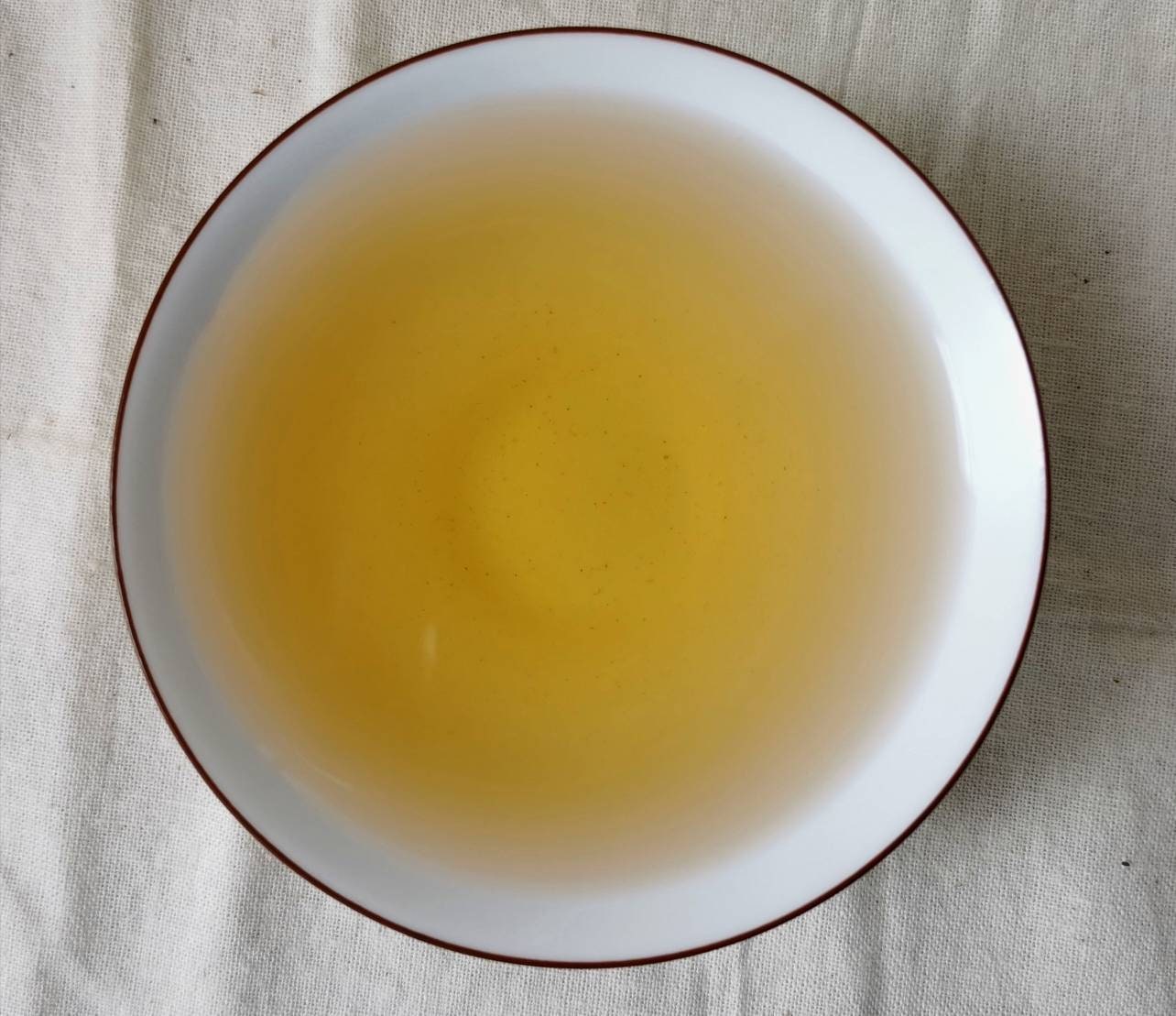
The 'bei xiang' is fruity-floral and honey. The broth is clear,light yellow.
The 'kou gan' is fairly smooth with a slight fragrance on the upper palate and for now it has a sour fruits fragrance with herbal/menthol notes.
The flavour is rounded with some clear bitterness and slight dryness/astringency which turns sweet quite suddenly accompanying some reasonable 'sheng jin'. The 'hui gan' is there without being very pronounced along with some 'hou yun' with a little cooling/menthol in the back of the throat
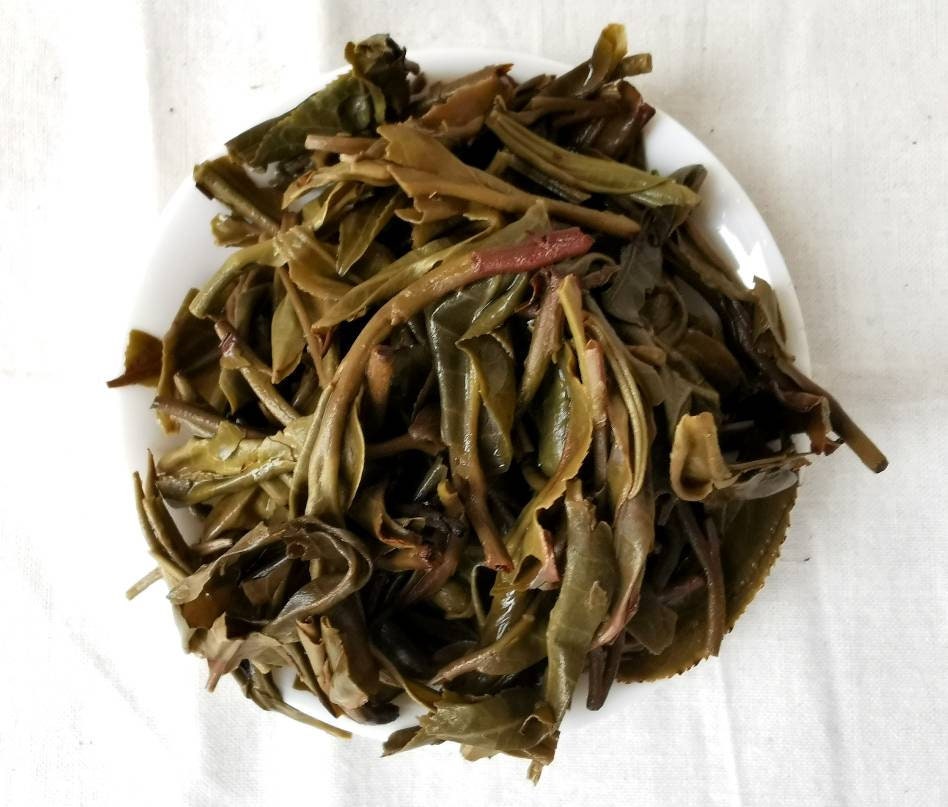
The spent leaves show a nice even green colour. Well processed.
The gardens are mostly above the village at around 1850-1900 meters altitude, with only very limited recent inter-planting and decent biodiversity around the tea gardens.
All Puer teas are hand picked, fired and rolled, or sometimes machine rolled. They are sun dried. Cakes are stone pressed.
Please be aware that because raw Puer tea is a 'post-fermented' tea it is in a process of continual change: as it ages, but also from season to season and even day to day, so the description here is a snapshot of the tea's quality and character, which should not differ significantly, but which none-the-less can change.
$112.00
In stock
About Agrochemicals
I do not get all my teas routinely tested for agro-chemicals. I am extremely careful about which gardens I source from: tea gardens that are in a diverse, natural environment where there is no need for the use of agro-chemicals and which I am confident are all free of herbicide and pesticide traces.
In recent years anthraquinone in tea has become a talking point. I do not generally test tea for anthraquinone and, whilst I try my best to minimise the potential for it, I do not prioritise that over other factors. You can read more here.