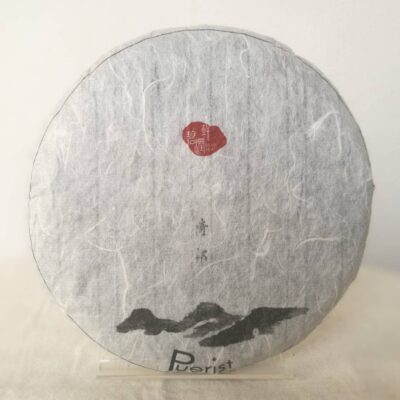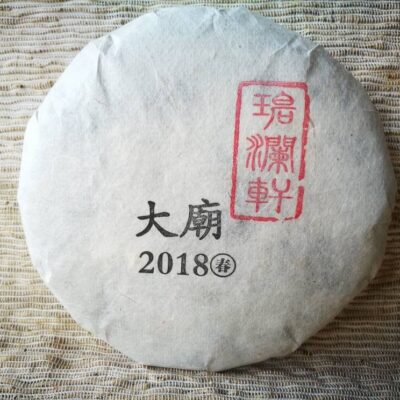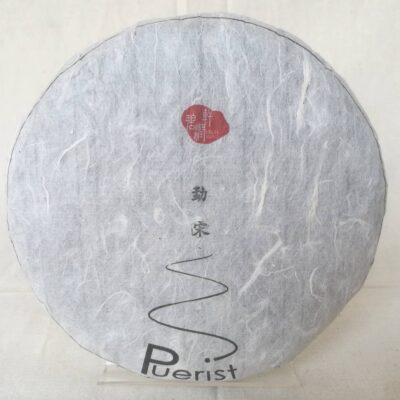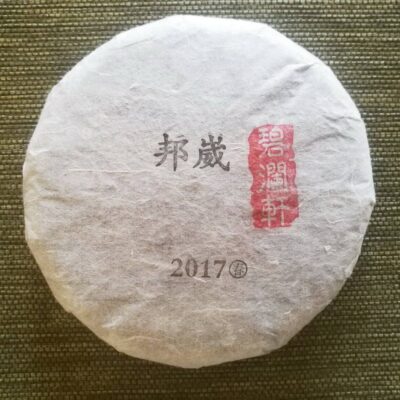
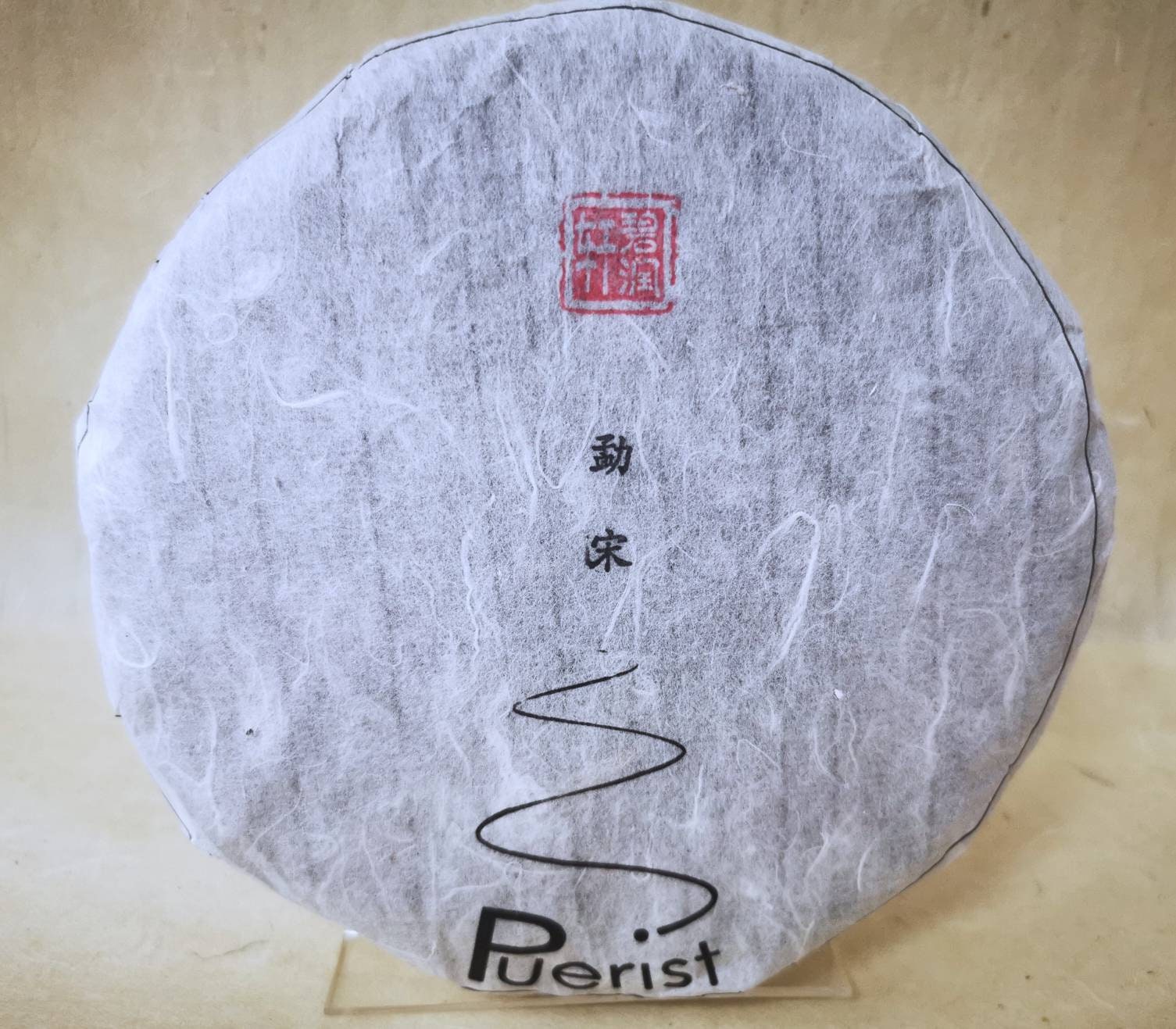
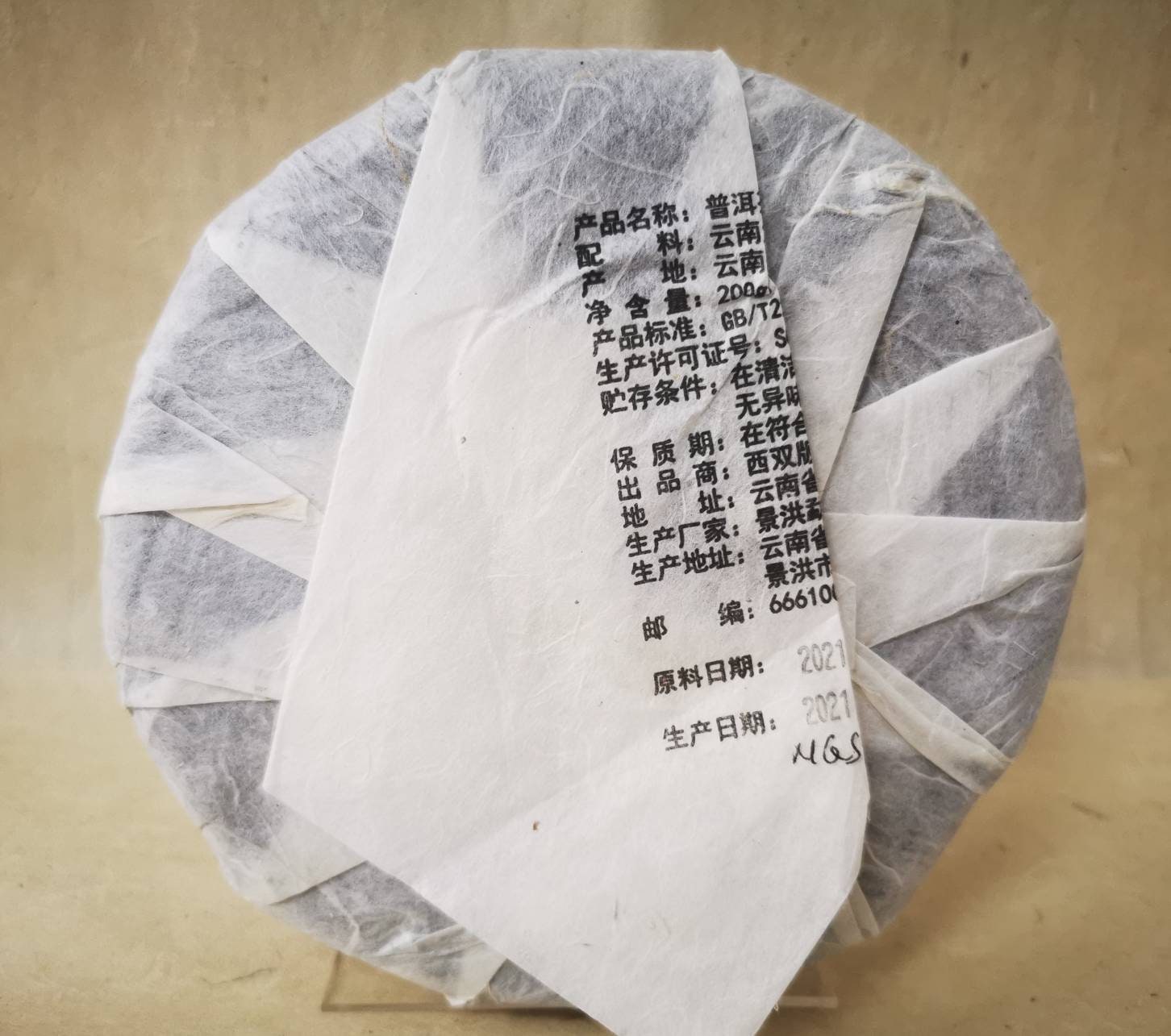
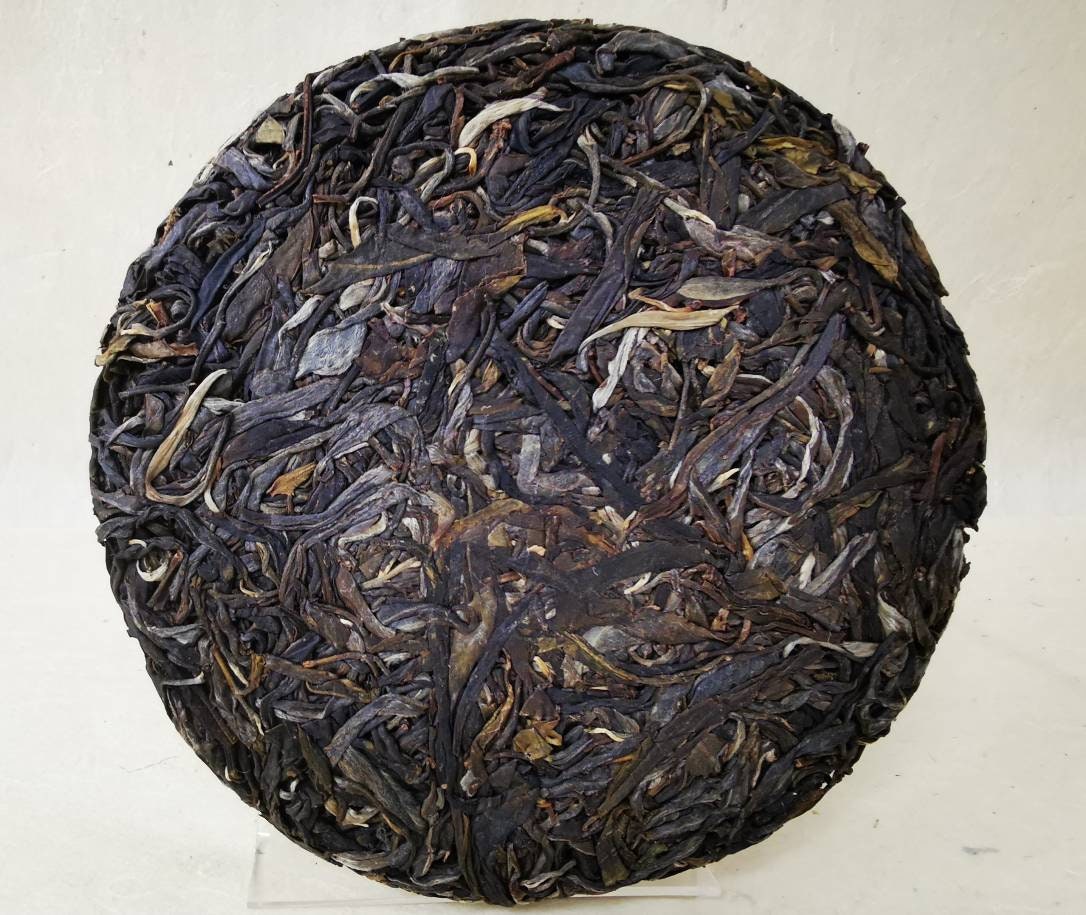
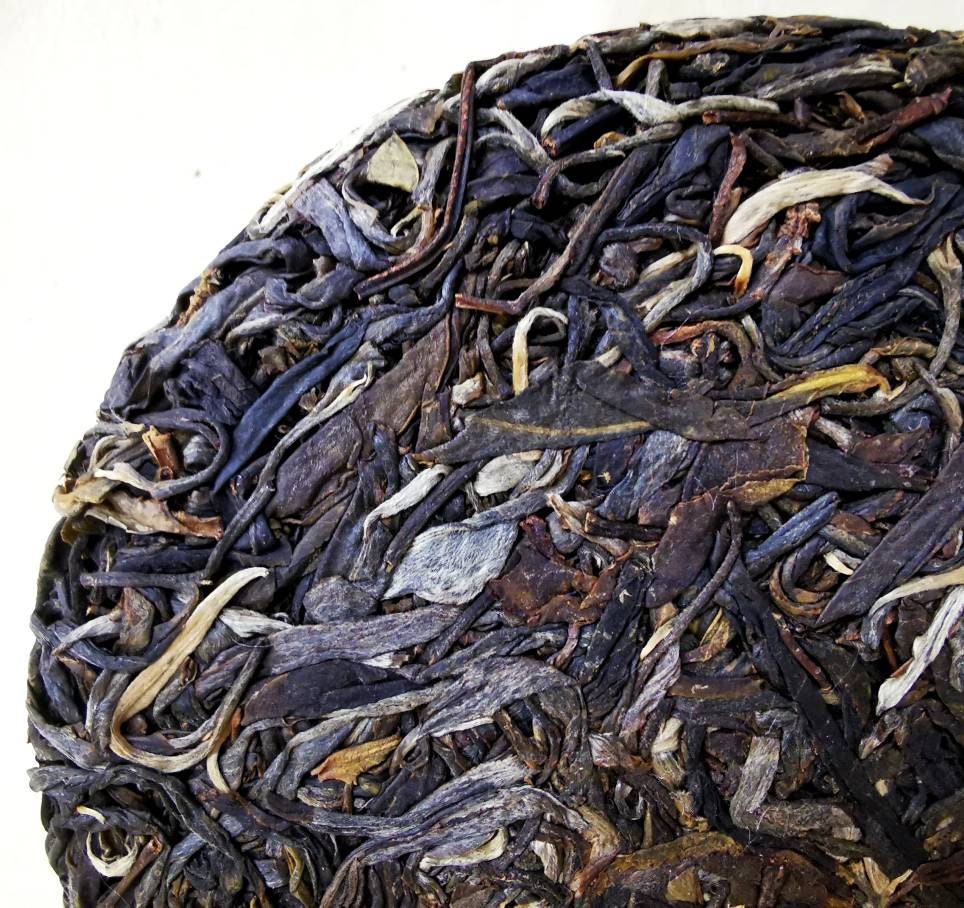
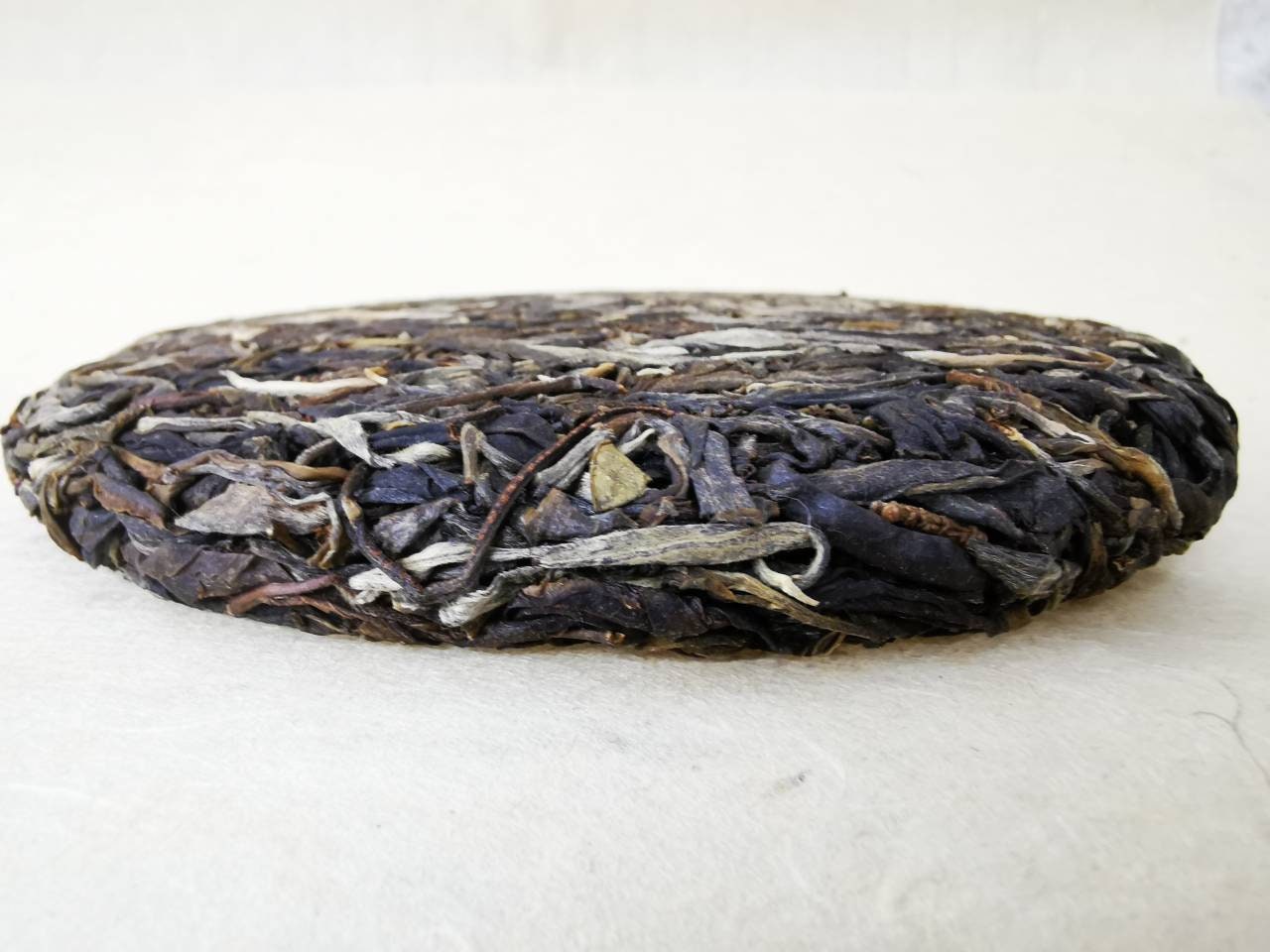
This tea is from Xiao Mengsong but is from a different tea garden from the last couple of years.
Whilst I was in Meng Song this spring someone gave me some 2016/17 tea to taste from a couple of tea gardens that I was not familiar with. After exploring the tea gardens I selected two particular areas that I decided to get fresh leaves from.
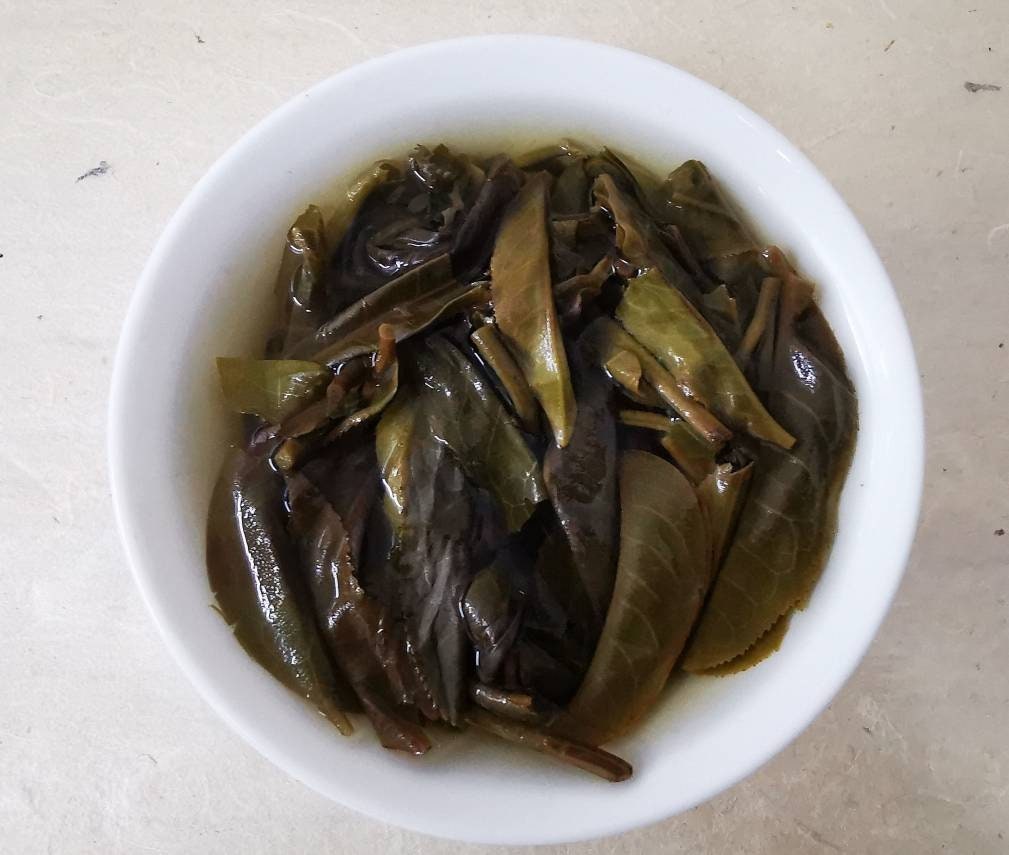
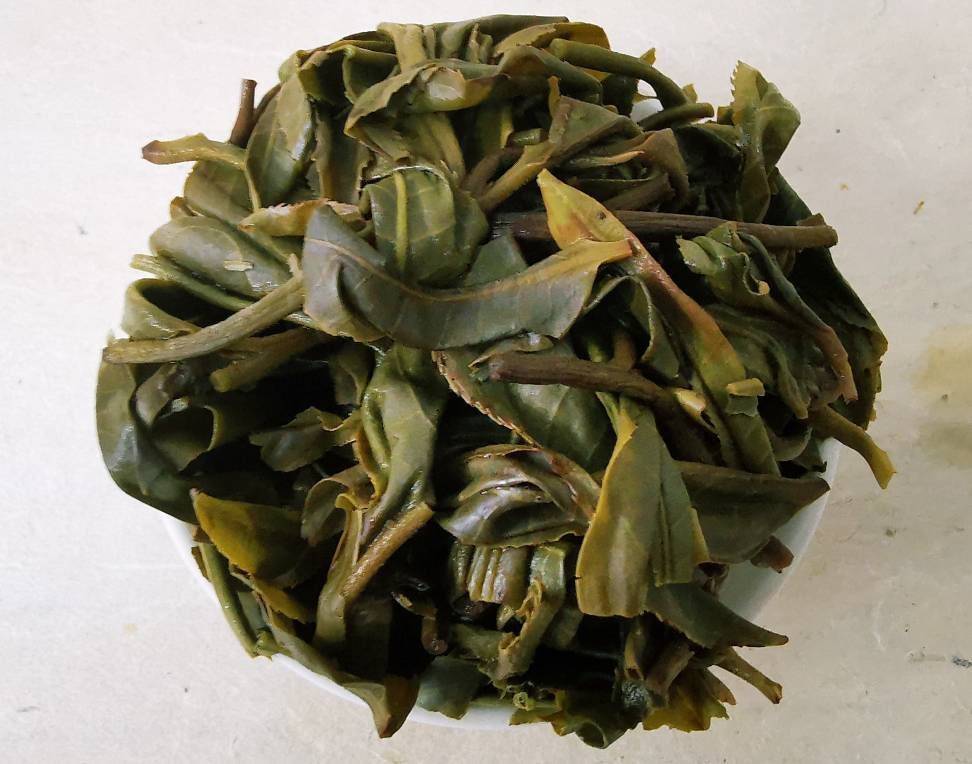
The wet leaves have hints of fruit and herbs, with a slight pine forest/resinous note. The 'bei xiang' is still floral-fruity similar to previous years, but the flower notes ate more pronounced and the overall fragrance is more 'yin', more subdued (this is actually common across a number of different 2021 teas/regions)
The 'rukou' is smooth and has a distinct but not dominant bitter note that quickly makes way for a sweet taste in the mouth.
The mouth-feel is clean with a little dryness on the tongue. Similar to previous years this year's tea also has a later cooling note which appears more on the upper palate along with some decent 'sheng jin' and 'hui gan'.
The bitterness, for now, is less pronounced than in previous years even with extended steeping times, but it still feels to be enough to give the tea some structure.
The aftertaste is pleasant and lasts well enough in both the mouth and throat with some floral-woody retro-olfactory notes.
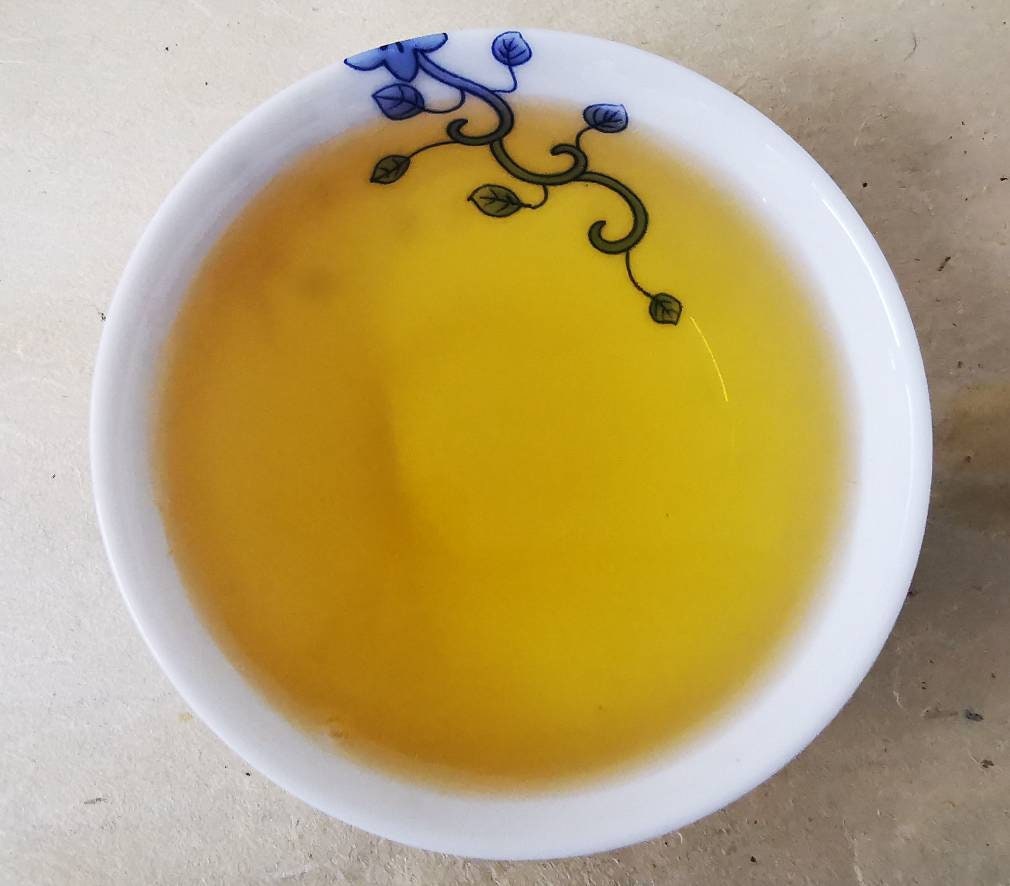
The tea can be steeped a good many times while the broth maintains a strong mid golden-yellow colour.
These cakes were pressed at the end of 2021 and this tasting is from early 2022.
Meng Song is less known for its 'sweet' tea, more for its bitter tea, but their sweet tea has become more sought after in recent years.
Tea from this area is generally not bullish in the way that some Menghai/Bulang Shan teas are, but still has a fullness in flavour and enough depth to make it interesting.
Unless stated otherwise, all my Puer teas are hand picked, fired and rolled. They are then sun dried. Cakes are stone pressed.
Please be aware that because raw Puer tea is a 'post-fermented' tea it is continually in a process of change: as it ages, but also from season to season and even day to day, so the description here is a snapshot of the teas qualities and character on this particular occassion, which should not differ significantly, but which will change none-the-less over time.
$88.00
In stock
About Agrochemicals
I do not get all my teas routinely tested for agro-chemicals. I am extremely careful about which gardens I source from: tea gardens that are in a diverse, natural environment where there is no need for the use of agro-chemicals and which I am confident are all free of herbicide and pesticide traces.
In recent years anthraquinone in tea has become a talking point. I do not generally test tea for anthraquinone and, whilst I try my best to minimise the potential for it, I do not prioritise that over other factors. You can read more here.