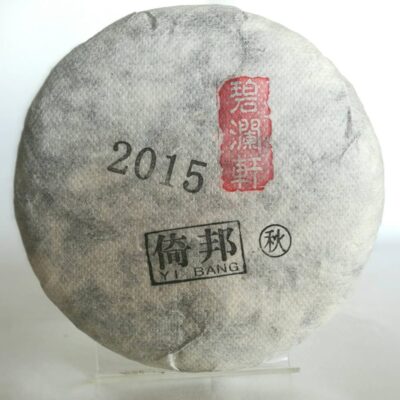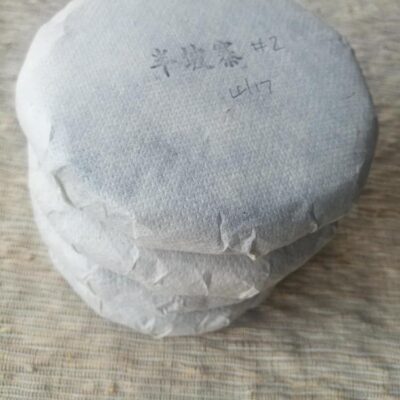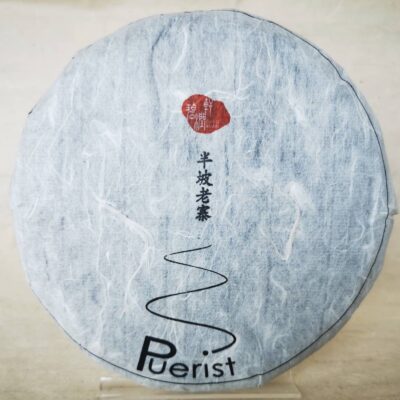
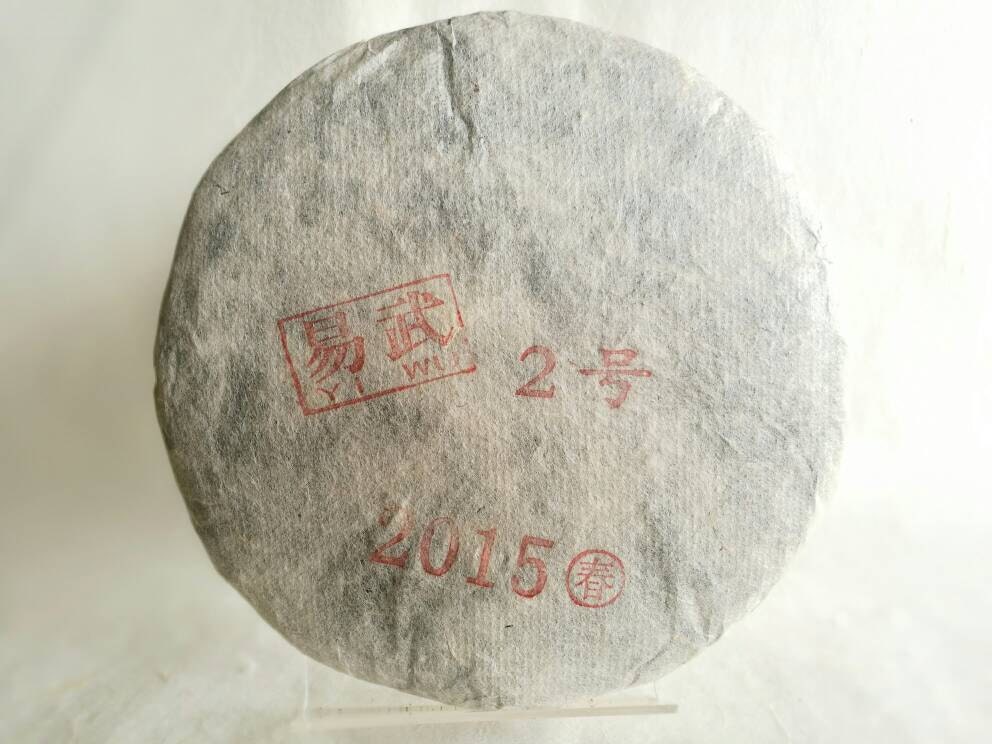
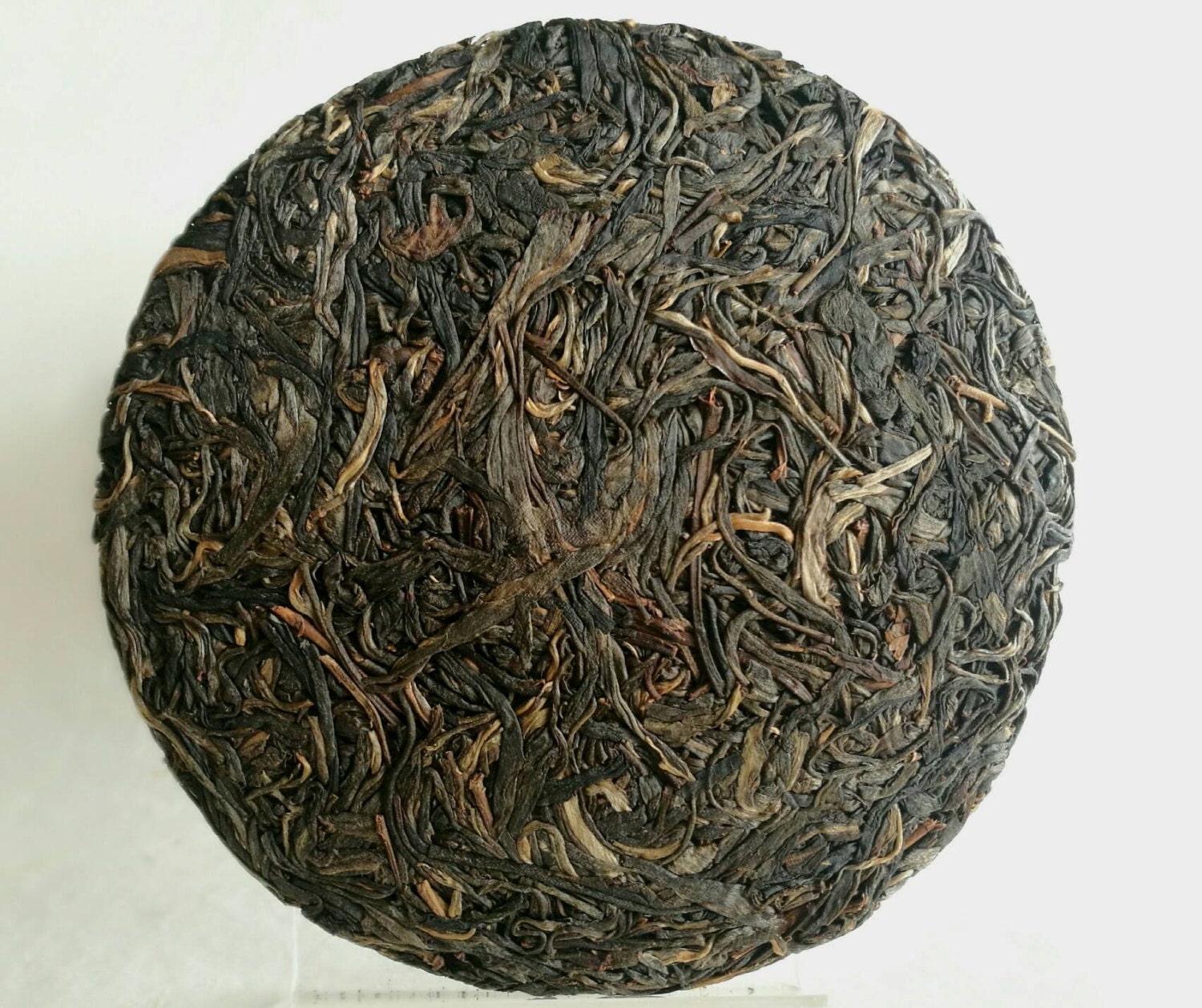
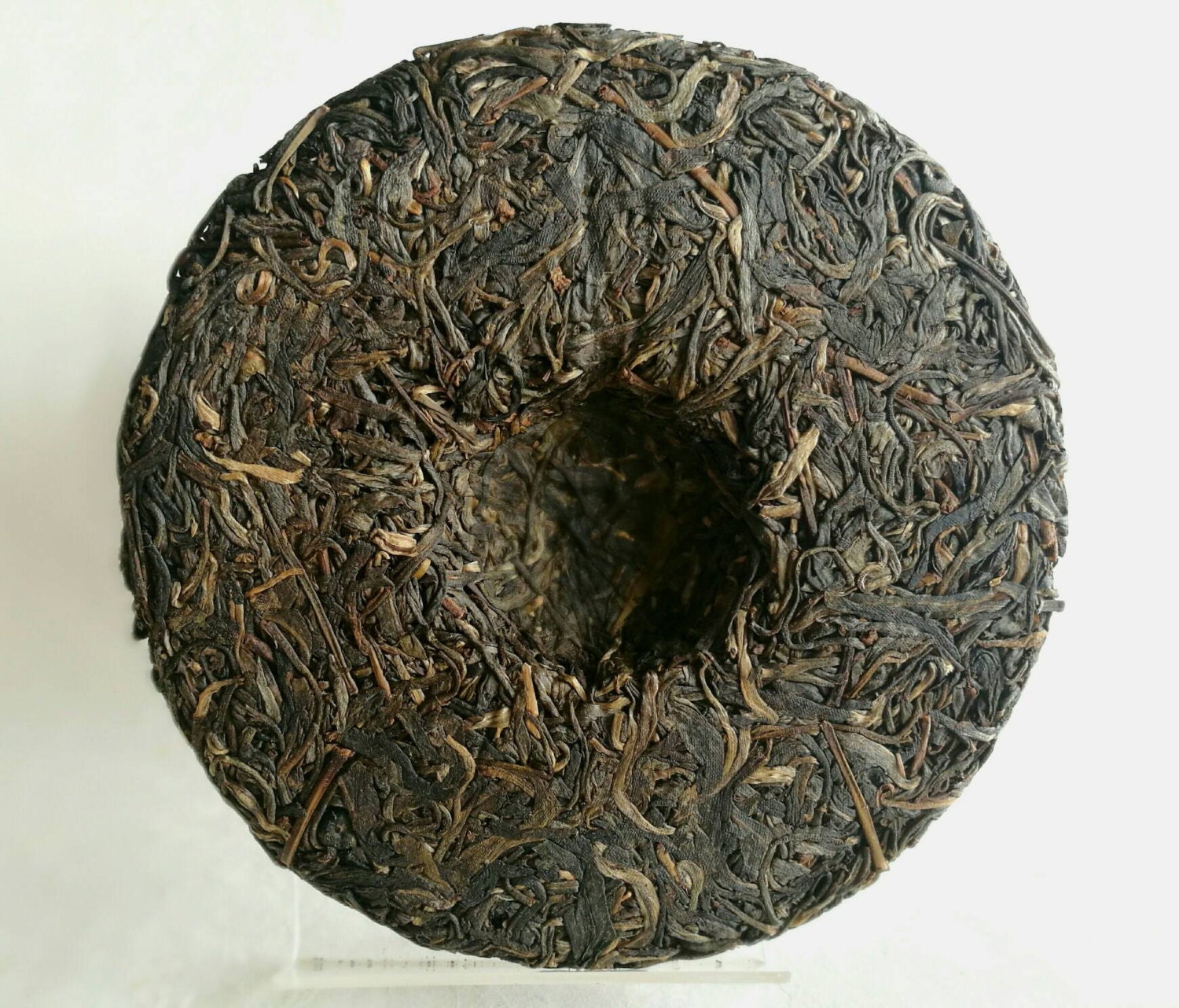
Yiwu No 2, Early Spring 2015 Raw Puer Tea, 200g cake
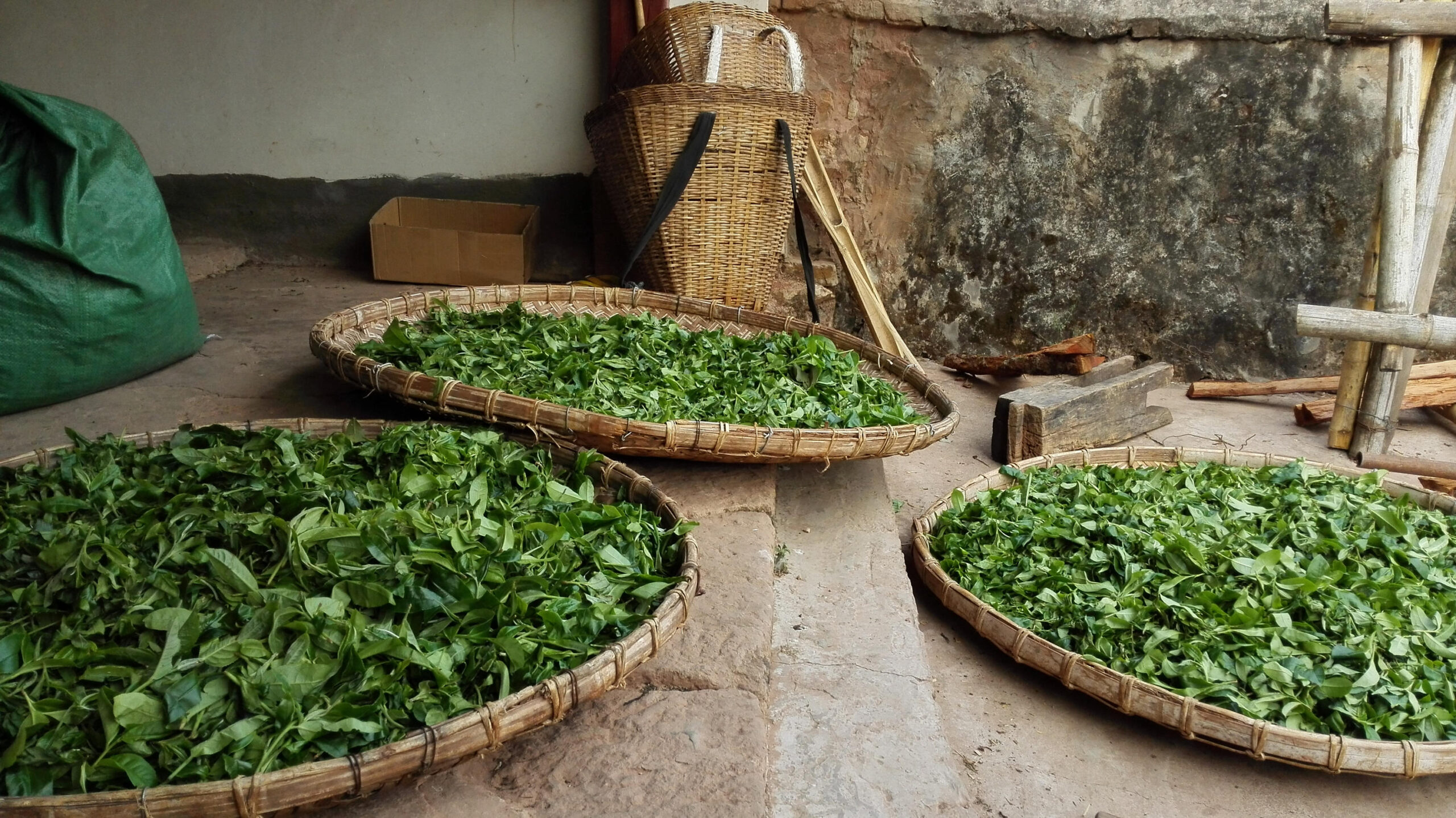
I've been storing this tea for a few years. It's from a small tea garden in the Man Sa area north of Yiwu. The tea trees were only discovered a few years prior to my first visit in 2015 which was only the second year the trees had been picked.
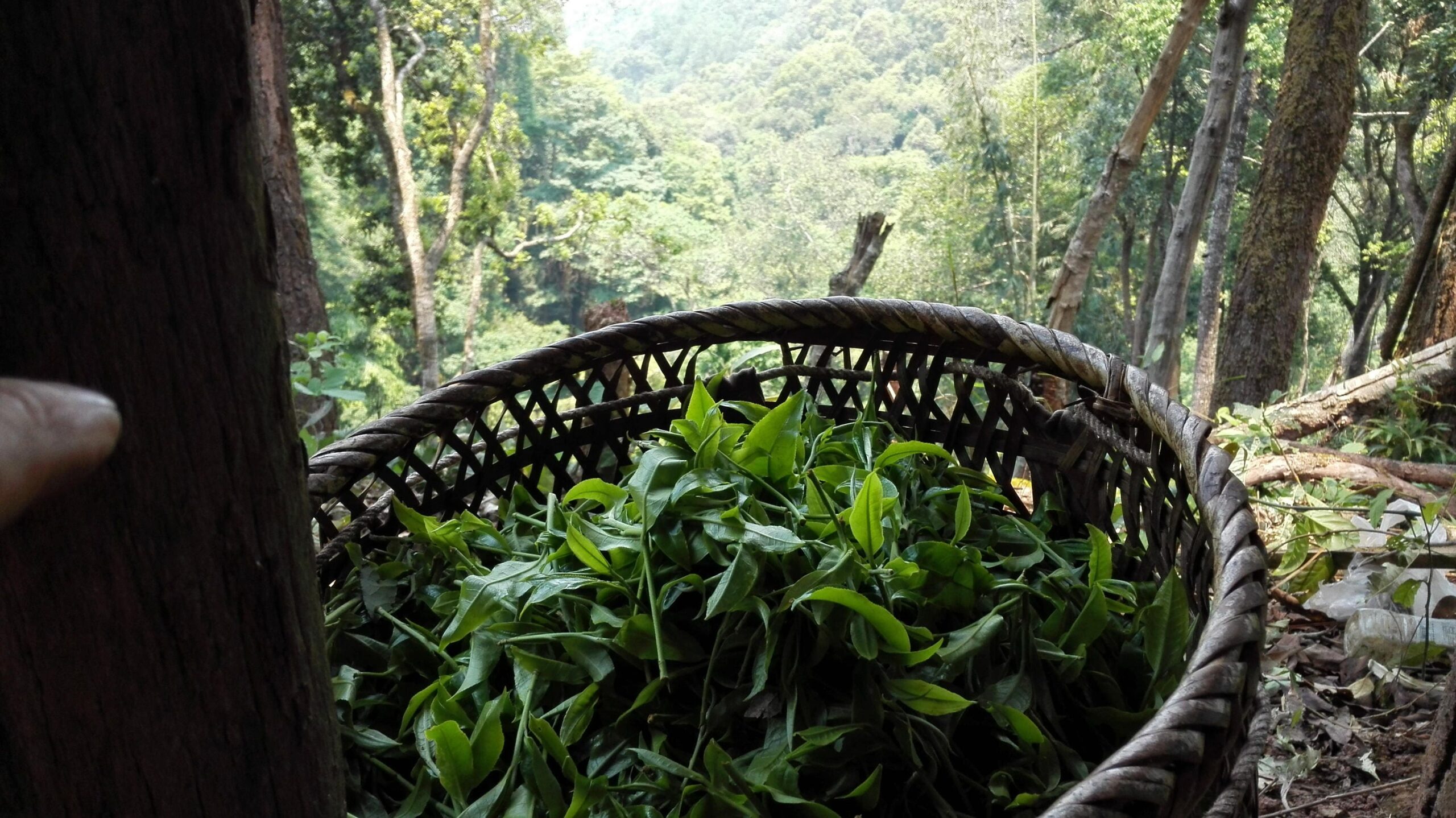
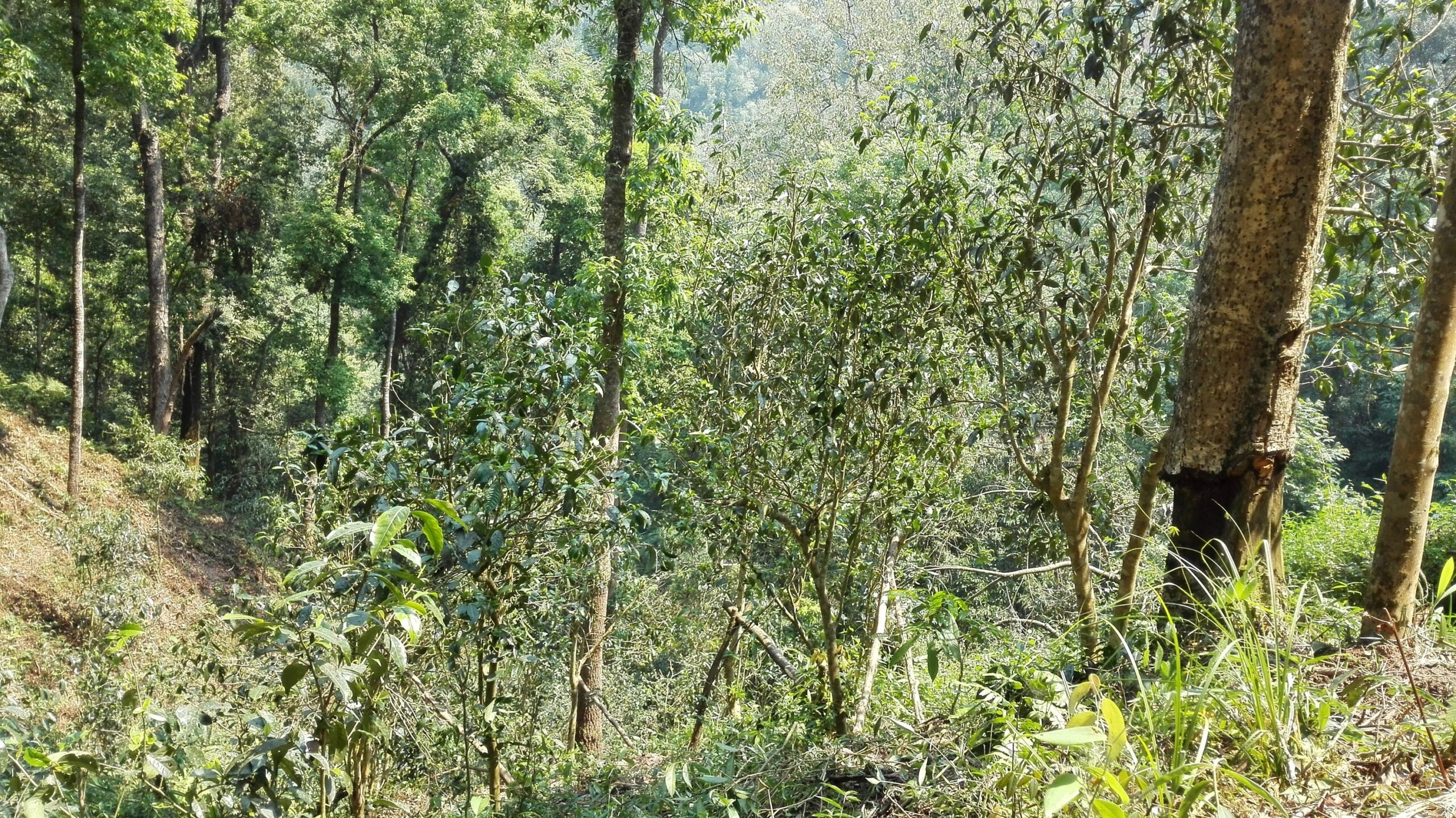
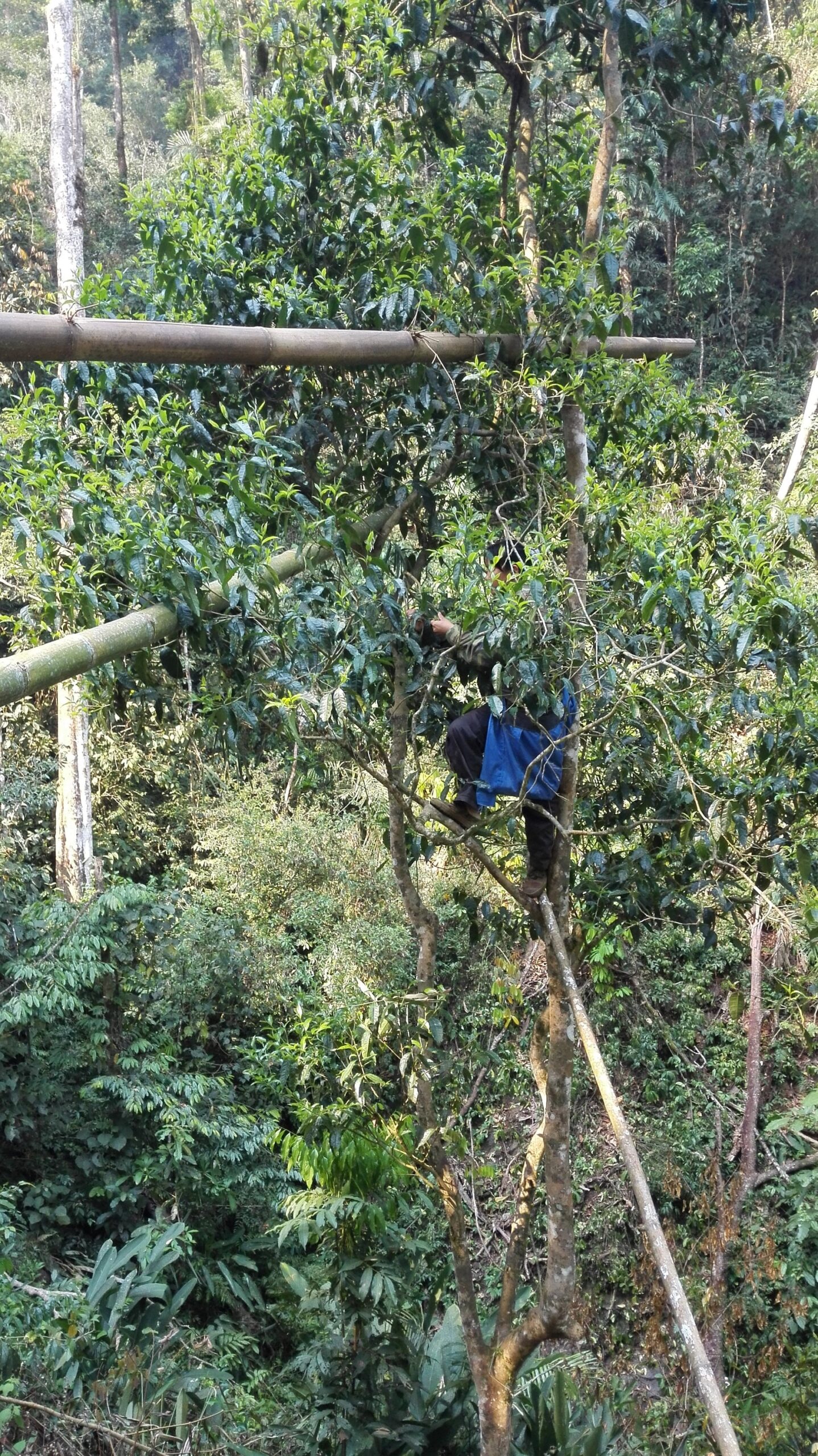
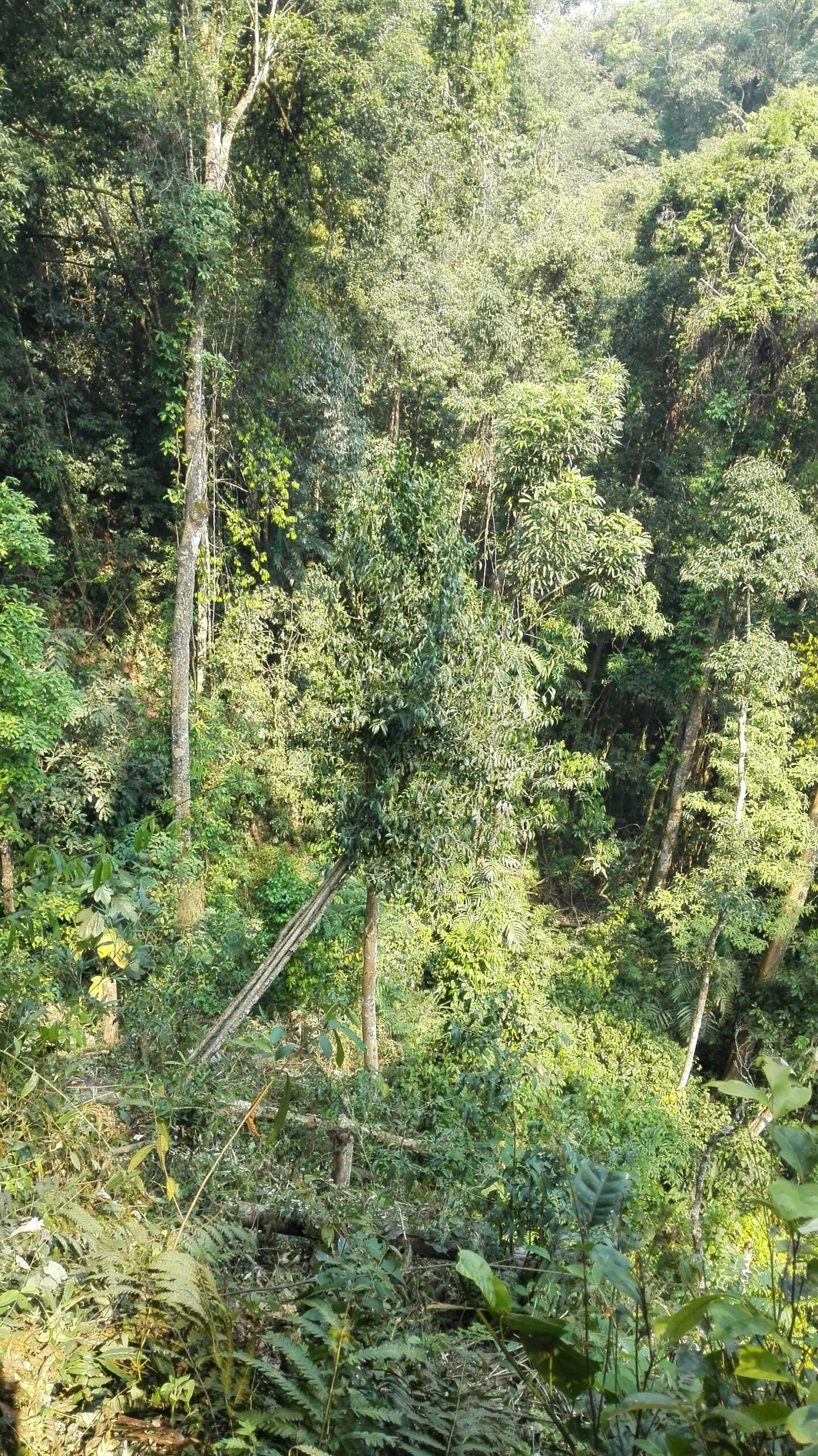
It's about an hour's walk on a fairly difficult path to get to where the tea trees are, in the midst of natural forest at around 1350 meters. Some of the forest had been thinned to give the trees a little more light, but the thinning was not at all excessive so the natural environment was still very good. The trees are mostly on a steep slope and because they're growing in the midst of deep forest they are quite thin with a number of them quite tall - as much as 8 to 10 meters.
The tea was quite bullish in the first year or two and then, as many Yiwu area teas do, went through an awkward period where it became quite astringent and a little sour.
It has now come out of that phase and is ageing nicely.
The tea has some good 'thickness' and a little bitterness and a stringency still. This has diminished somewhat over the last few years. It has some pleasant 'hard to define' floral and fruit aromas and good flavour and sweetness.
The 'huigan' is decent and it has some nice 'hou yun'.
2026 Update:
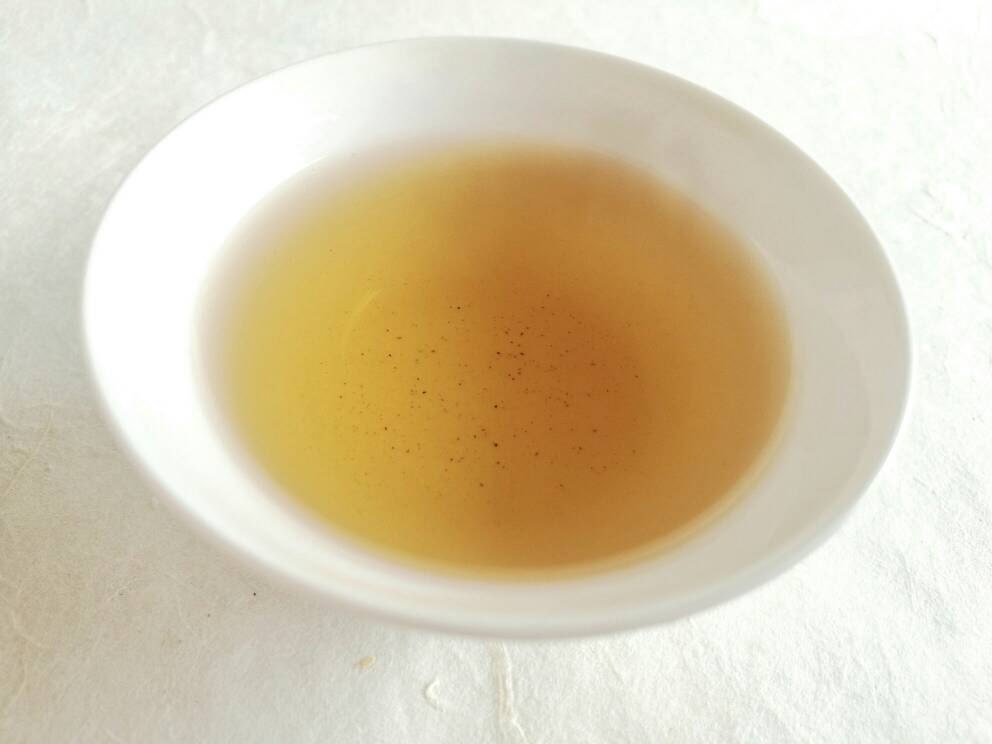
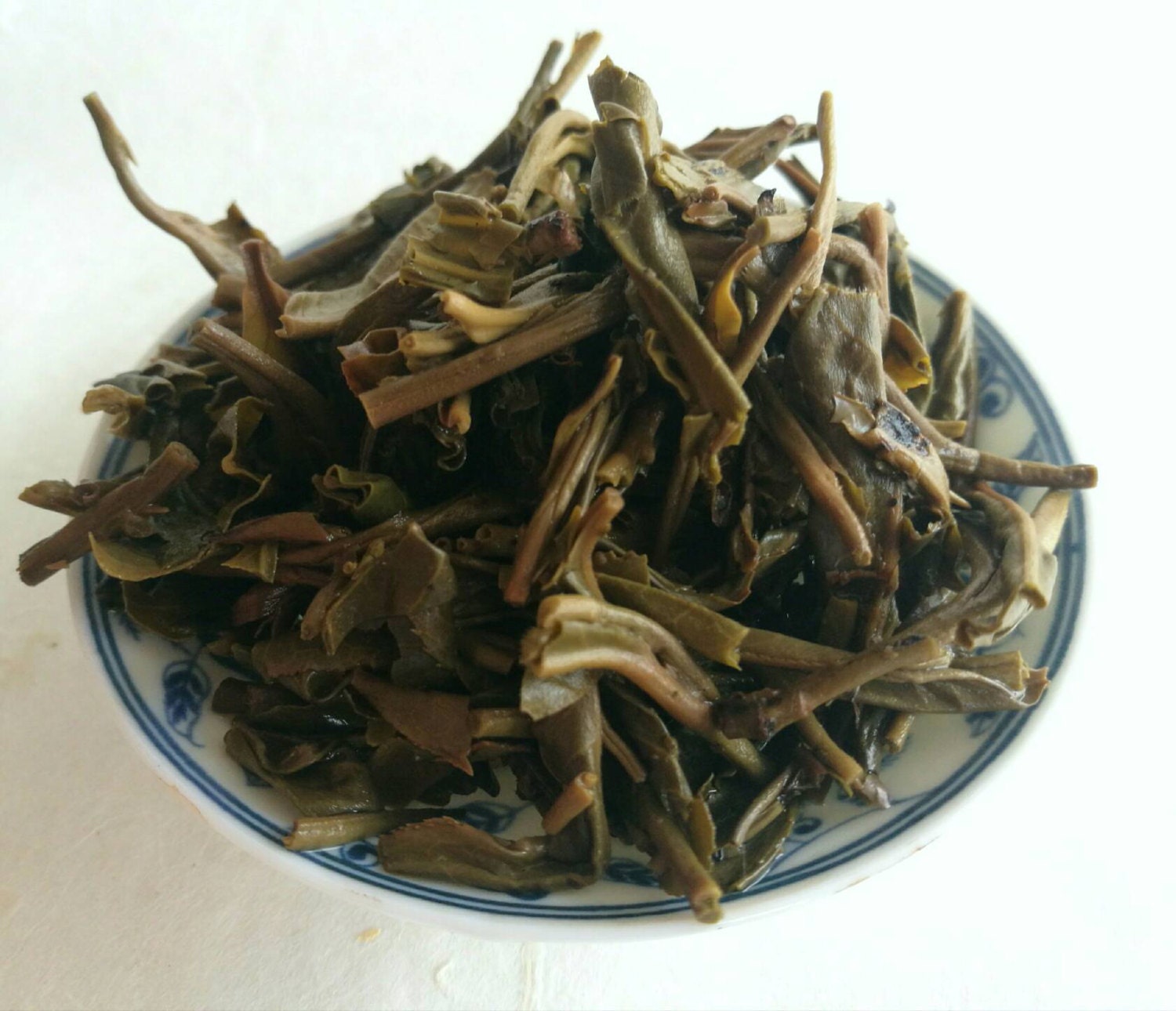
At just over 10 years this tea is maturing quite nicely. Dominant aromas are of wood and leather along with some light fungal-mushroom notes. The gai wan lid still has some floral-honey notes. Once the gong dao bei. cools down their are notes of aniseed and a savoury yeasty 'Marmite'/'Vegemite' type aroma. It still shows a clear bitterness which resolves quickly, but very little astringency. It has some nice sheng jin. The tang gan is pleasing: smooth, a little thick and oily. It has some cooling woody aftertaste in the mouth and throat.
Please be aware that raw Puer tea is in a continual process of change - over time, with the seasons, and the weather, as it oxidizes and ferments - so descriptions of teas (and the accompanying photos) are a snapshot of a certain moment in time. I try to make sure descriptions are simple yet accurate and give a feel for how the tea was experienced at the time of tasting.
$98.00
In stock
About Agrochemicals
I do not get all my teas routinely tested for agro-chemicals. I am extremely careful about which gardens I source from: tea gardens that are in a diverse, natural environment where there is no need for the use of agro-chemicals and which I am confident are all free of herbicide and pesticide traces.
In recent years anthraquinone in tea has become a talking point. I do not generally test tea for anthraquinone and, whilst I try my best to minimise the potential for it, I do not prioritise that over other factors. You can read more here.