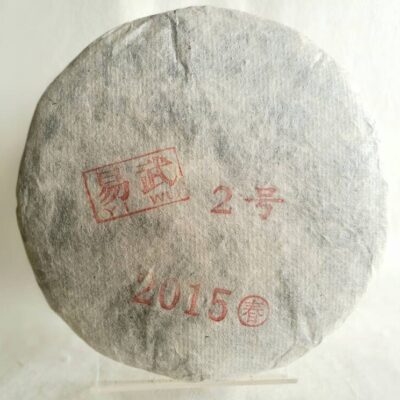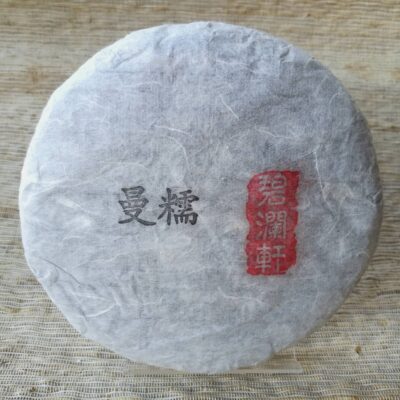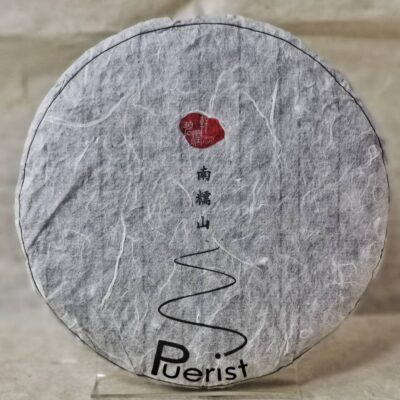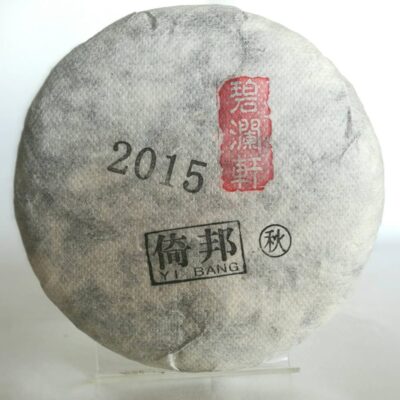
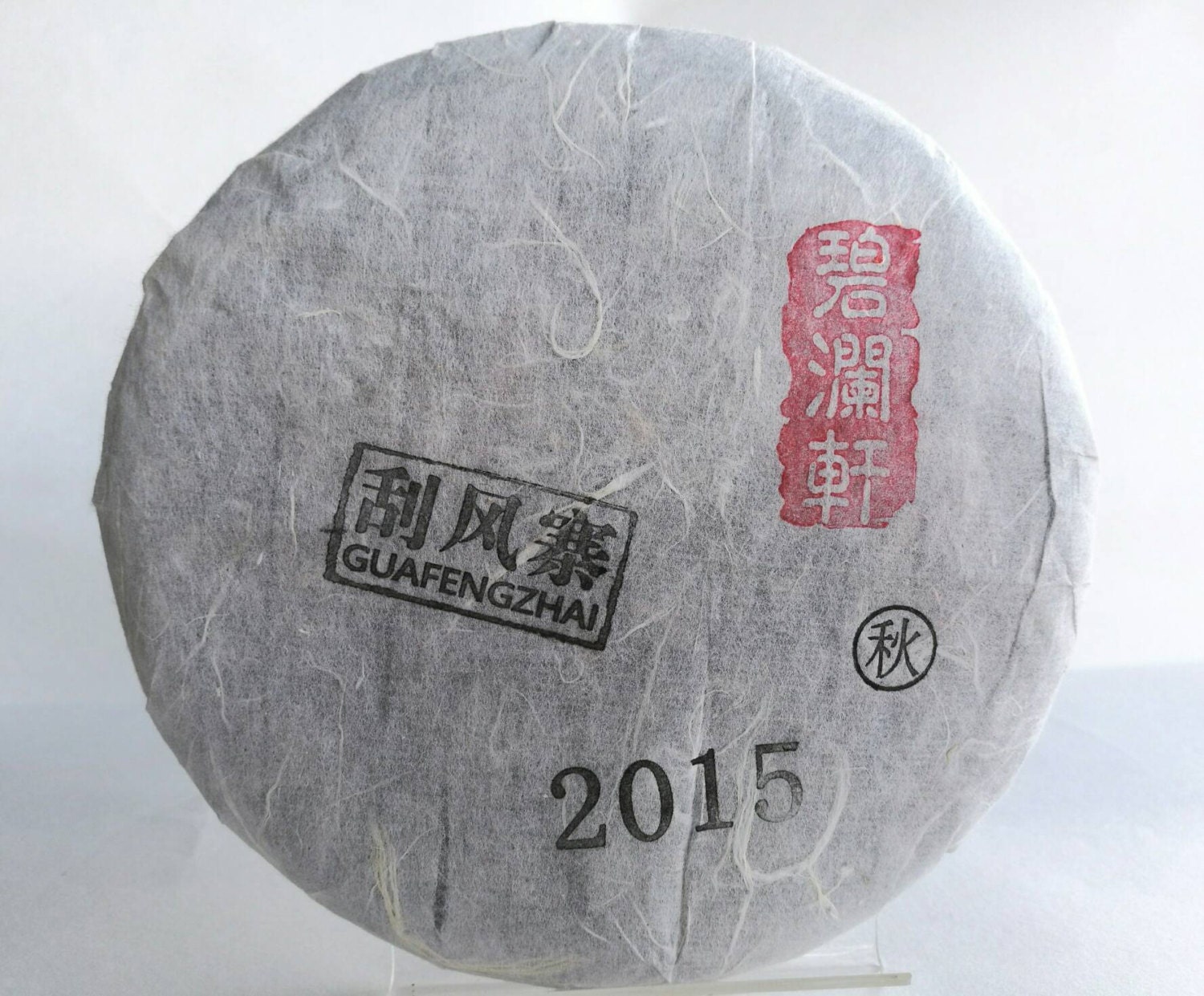
Gua Feng Zhai Autumn 2015 Old Tea Tree, 200g Cake
This is an Autumn tea from a tea garden of old tea trees near the village of Gua Feng Zhai in the Six Famous Tea Mountains area. The tea was hand pressed in 200g cakes.
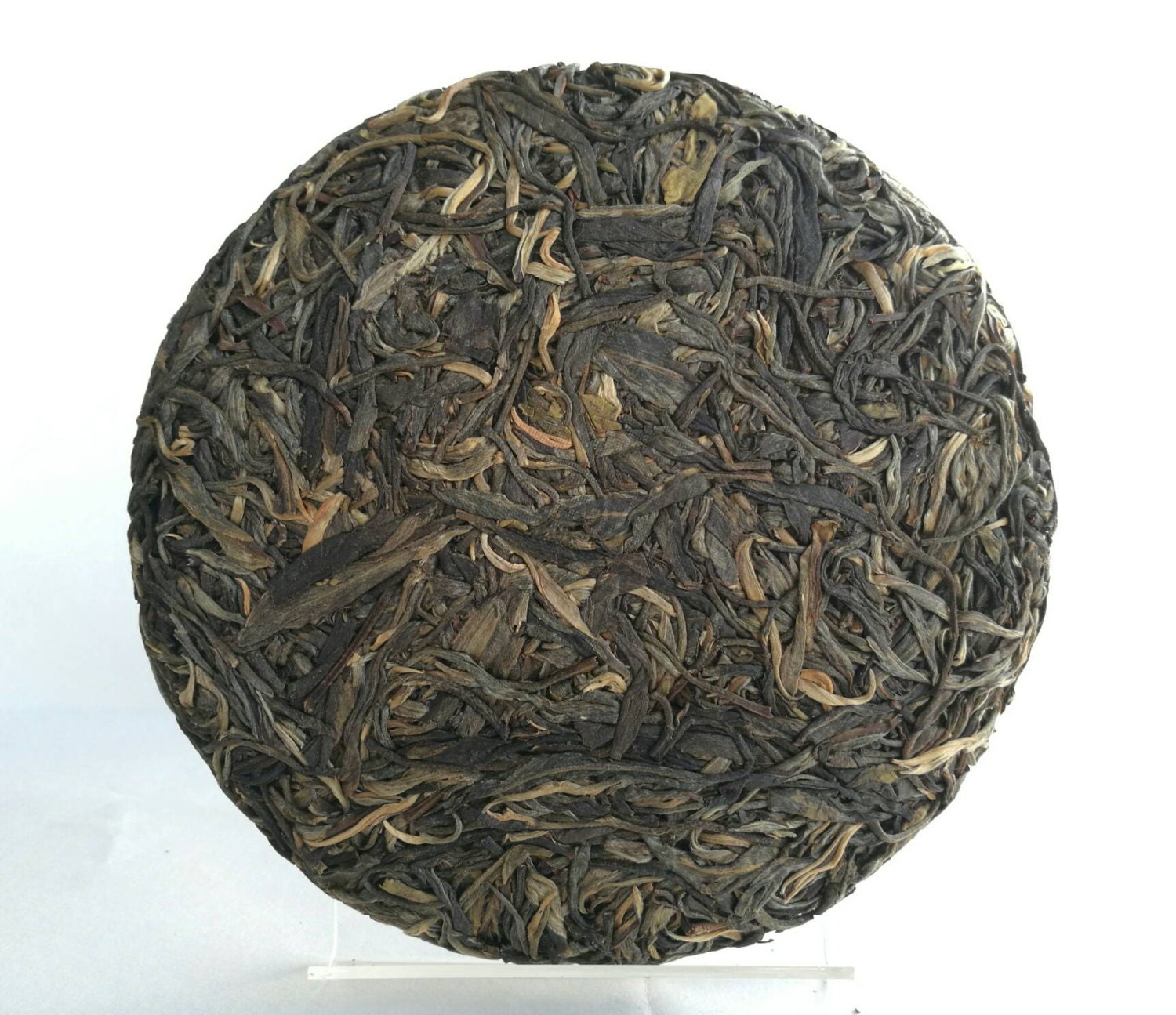
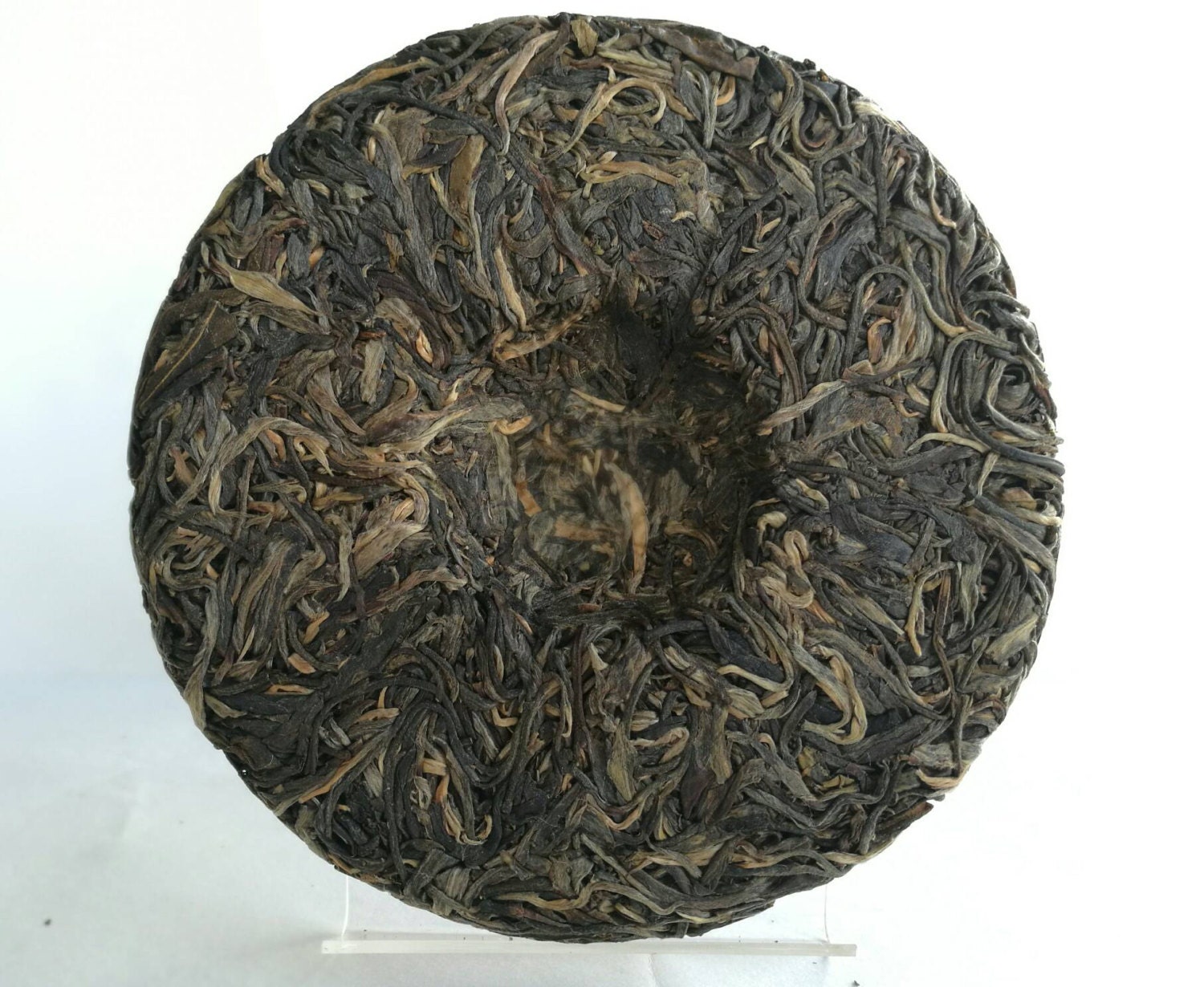
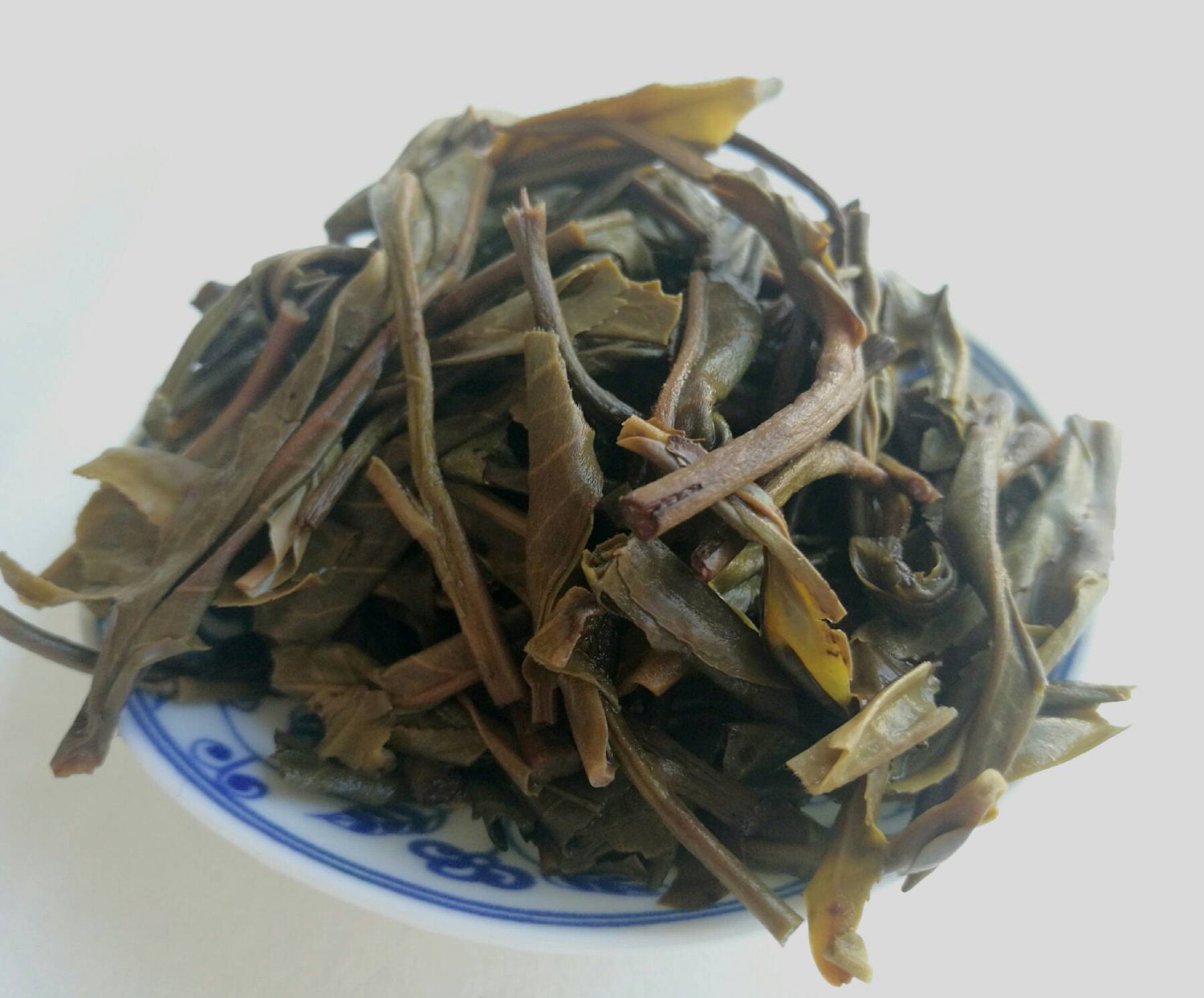
The dry leaves show a little sign of ageing.
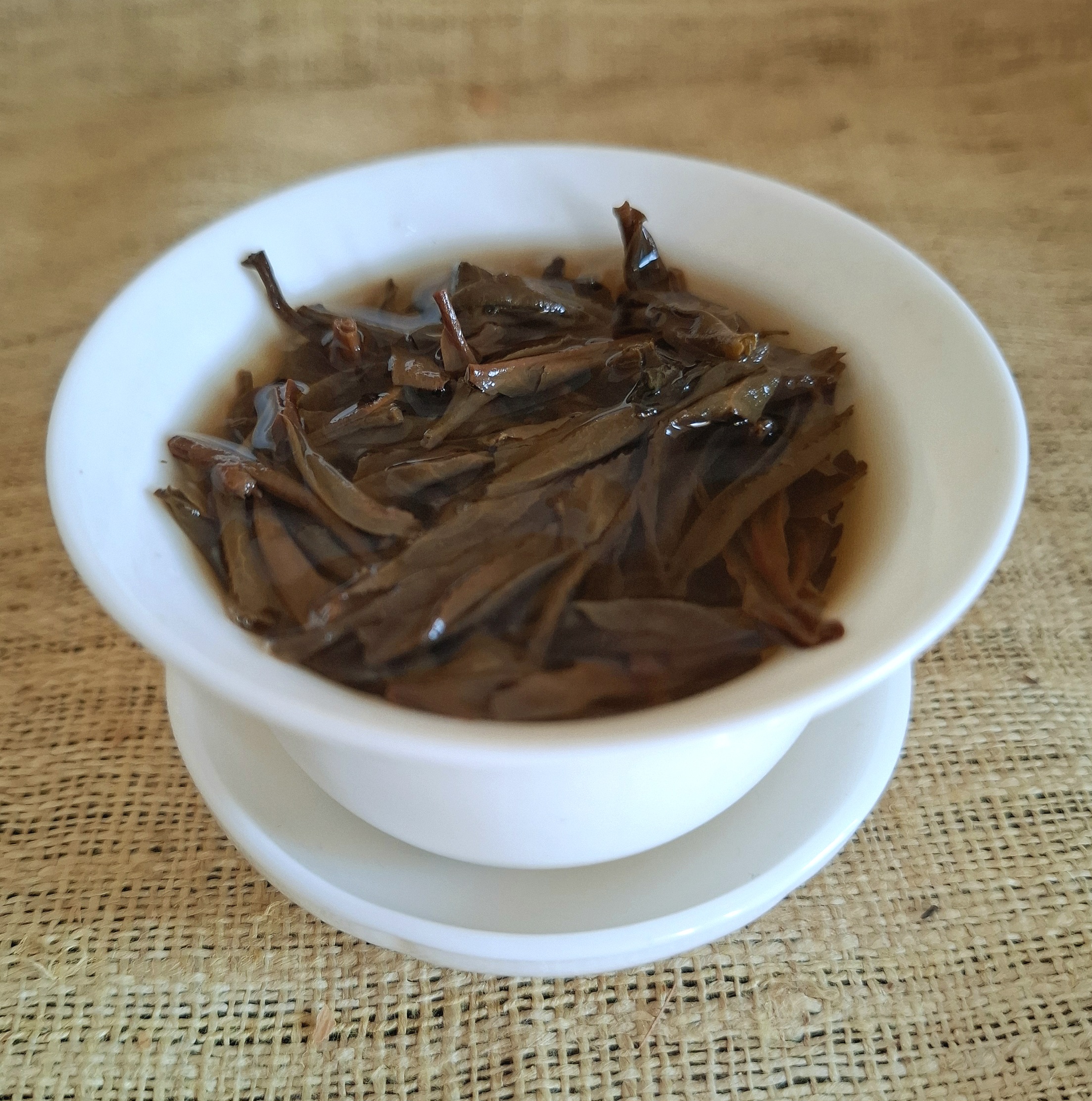
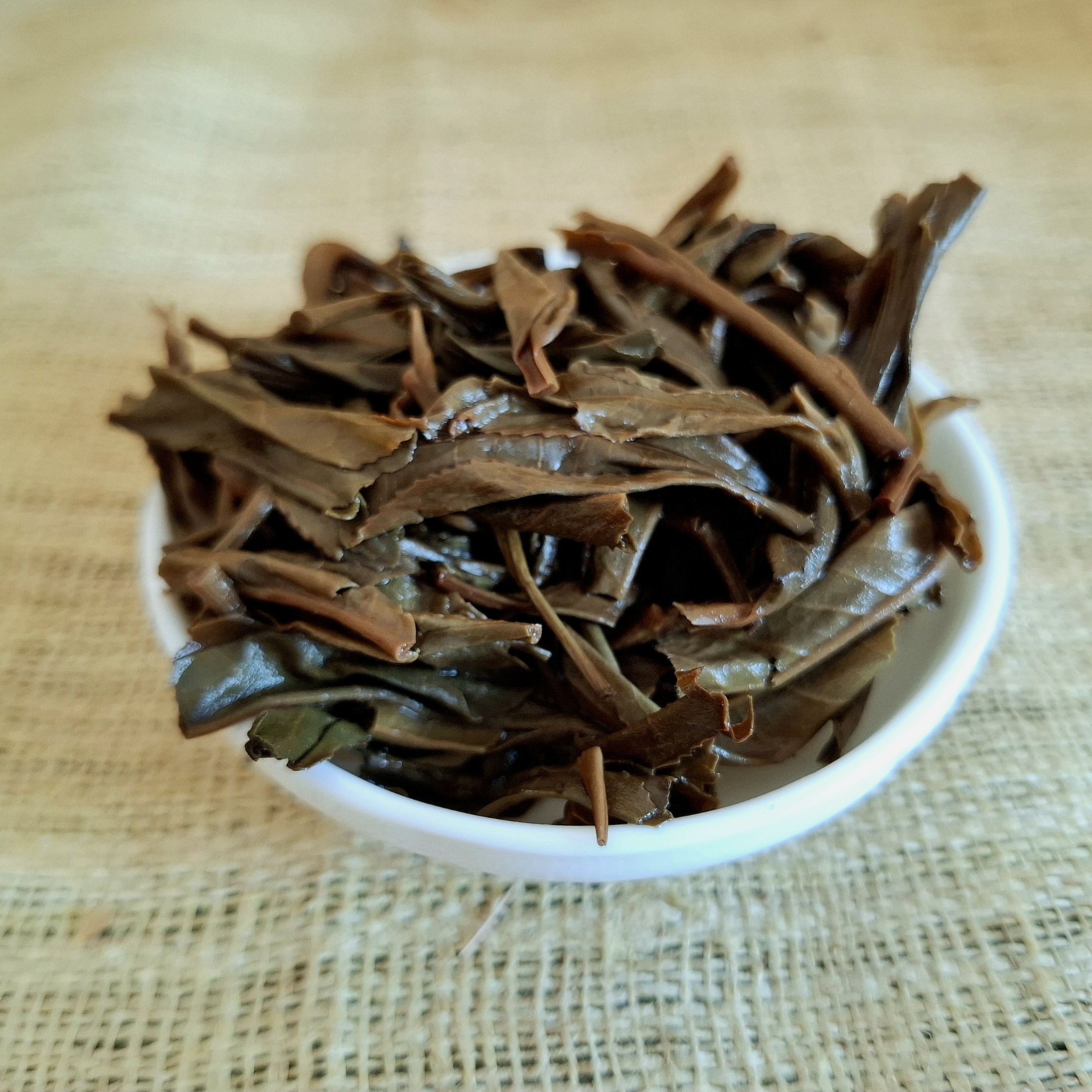
The wet leaves have some fruit and flower fragrance, but also an earthy note and a camphor overtone.
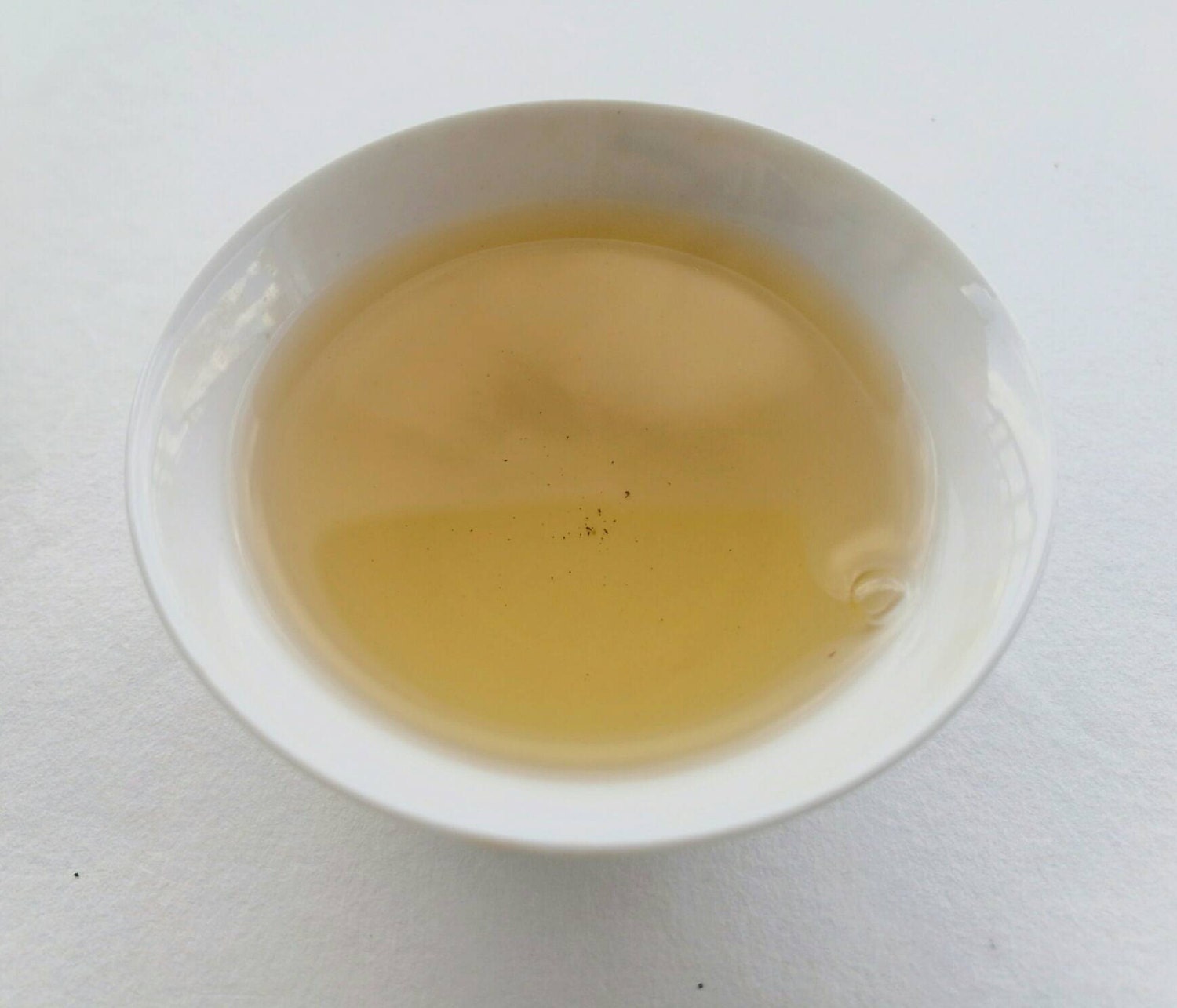
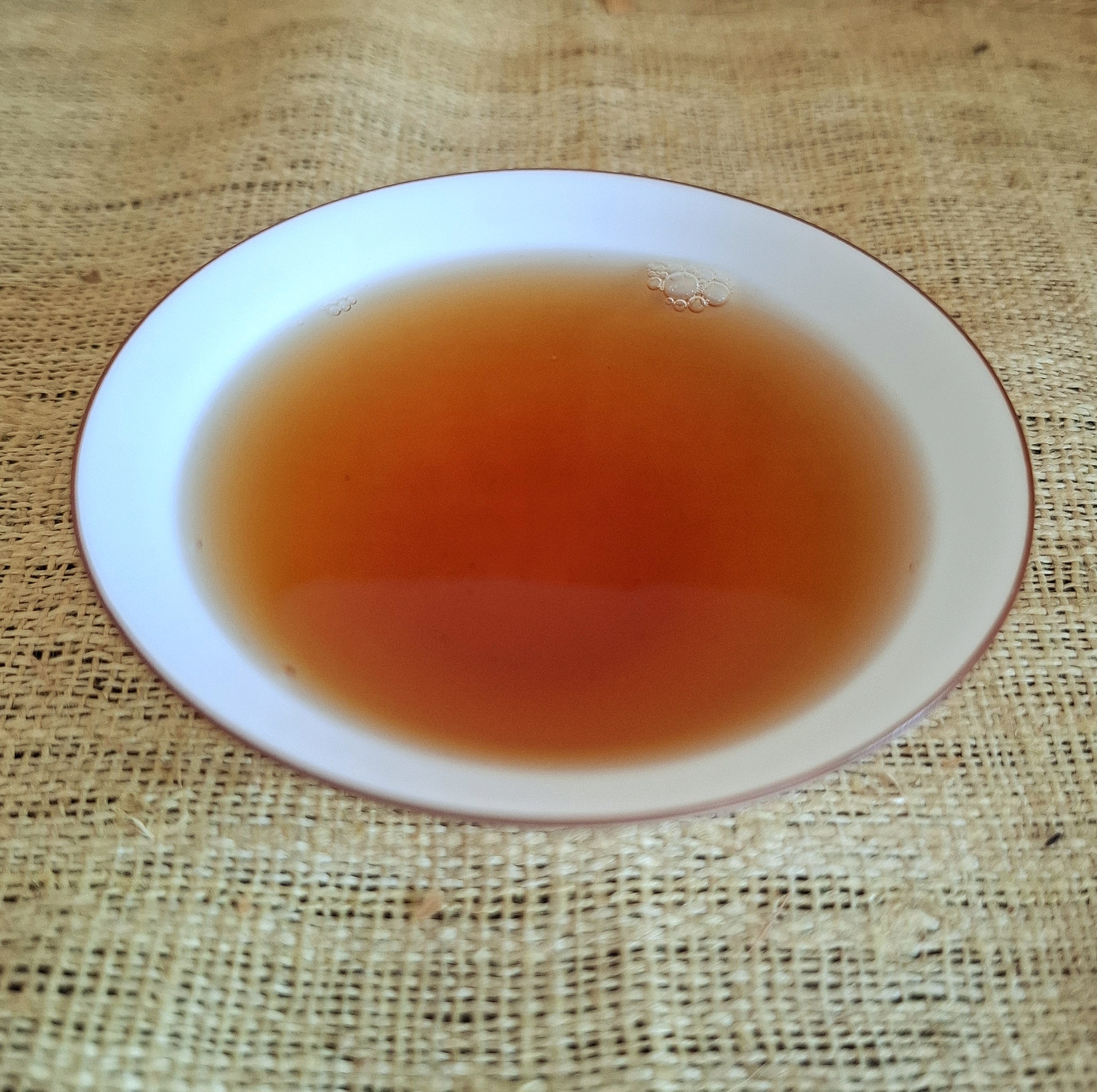
The broth feels clean and smooth in the mouth and tastes sweet. The flavour has some vegetal and tobacco notes, it has some depth, and something slightly 'wild' in the aroma.
A very slight bitterness and mild astringency give the tea some backbone. It has enough 'legs' to steep many times. If steeping times are pushed little bitterness emerges and along with it some good body.
It has a sweet aftertaste that appears quickly and lasts well in the throat, along with a lingering fragrance and a cooling quality in the nose and mouth.
2026 Update:
At ten just over years, the tea now has some interesting aromas which err toward farmyard-woody-mushroom with a little chen wei. The gai wan and bei xiang have notes which are similarly farmyard-fungal and some notes that remind me of dried porcini and marmite/vegemite. The kou gan is strong but still smooth and feels a little oily in the mouth. It has some sheng jin that's a little slow, but steady. The tea's thickness is decent and it has a nice hui gan and some retro-olfactory fragrance and a slight cooling sensation. The last three photos of the leaves and broth are recent.
Unless stated otherwise, all my Puer teas are hand picked, fired and rolled. They are then sun dried. Cakes are stone pressed.
Please be aware that because raw Puer tea is a 'post-fermented' tea it is continually in a process of change: as it ages, but also from season to season and even day to day, so the description here is a snapshot of the teas quality and character, which should not differ significantly, but which none-the-less can change.
$72.00
In stock
About Agrochemicals
I do not get all my teas routinely tested for agro-chemicals. I am extremely careful about which gardens I source from: tea gardens that are in a diverse, natural environment where there is no need for the use of agro-chemicals and which I am confident are all free of herbicide and pesticide traces.
In recent years anthraquinone in tea has become a talking point. I do not generally test tea for anthraquinone and, whilst I try my best to minimise the potential for it, I do not prioritise that over other factors. You can read more here.